
3 Utility Dividend Stocks For Steady Income While Rates Stay Higher
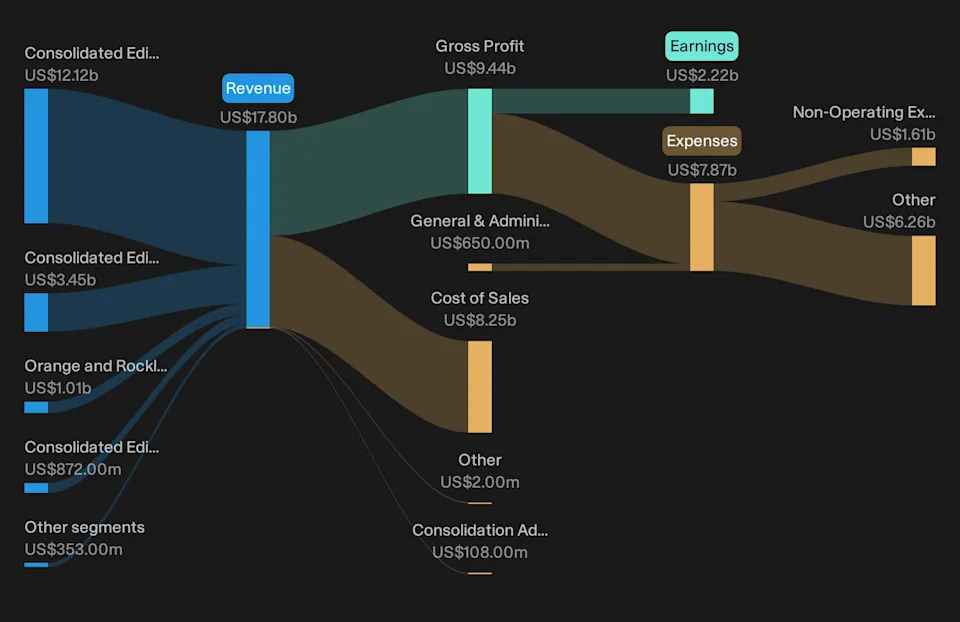
Recent financial analysis highlights three utility dividend stocks as viable options for investors seeking consistent income streams amidst a persistent high-interest-rate environment.
The story
in brief.
What happened, who it affects, and why it landed on our intelligence desk — in plain English, sixty seconds or less.
Recent financial analysis highlights three utility dividend stocks as viable options for investors seeking consistent income streams amidst a persistent high-interest-rate environment. The report suggests that despite broader market volatility, certain utility companies maintain robust cash flows, allowing them to sustain or grow dividend payouts. This strategy appeals to income-focused investors who prioritise capital preservation and regular returns over aggressive capital appreciation. The article examines specific corporate fundamentals, such as debt levels and regulated revenue models, which shield these entities from immediate rate pressures. For professionals monitoring economic indicators, this trend underscores the enduring relevance of defensive sectors in portfolio construction during periods of monetary tightening.
Indicative index of skill mentions in professional job postings for the field this story moves (2019 = 1)
What this means
for your career.
Every headline redistributes opportunity. Here is who this one rewards — and how to be on the right side of it.
This market shift signals renewed demand for expertise in defensive sector analysis and income-oriented portfolio management. If you work in wealth management or corporate finance, your ability to evaluate dividend sustainability under high-rate conditions becomes critical. Professionals in risk management must also adapt, focusing on interest rate sensitivity and regulatory compliance within utilities. You should deepen your understanding of fixed-income alternatives and utility sector dynamics. Consider upskilling in financial modelling to better assess cash flow stability. Network with analysts covering energy and infrastructure sectors to gain insights into regulatory trends. By mastering these areas, you position yourself as a strategic advisor capable of navigating economic uncertainty, making your skills indispensable to clients and employers seeking steady, resilient growth strategies.
For this story, the fields that convert it into pay are Finance and Accounting, Risk Management, Business analysis and Finance — exactly the programmes matched below. The chart shows the indicative salary uplift certified professionals report in each of those fields; every one of them is a click away, from £79, finishing in as few as 20 days.
Indicative ranges from published continuing-education salary studies, by field — each field is a recommended course below
Enrol in these
to benefit.
These programmes position you for exactly this shift — online, self-paced, and finishing with a verifiable certificate you can share the day you pass.
 Best match
Certificate in Finance and Accounting
Recommended
Certificate in Risk Management
 Recommended
Certificate in Business analysis
Recommended
Certificate in Finance
Launch pricing shown against standard certificate value. The fee you see today is the fee you lock in.
This briefing is based on reporting by Yahoo Finance on 26 Oct, 01:09. Read the original coverage →
Read the news. Then outrun it.
Every LSBR programme is online, self-paced and from £79 — so a headline today can be your credential this month.
