
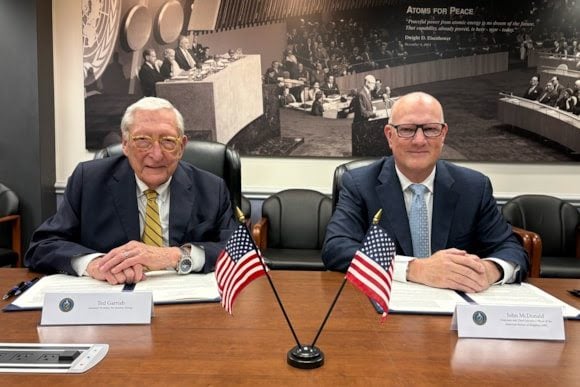
ABS and U.S. Department of Energy Sign MOU on Maritime Applications of Advanced Nuclear Technology
The Australian Bureau of Statistics and the U.S. Department of Energy have signed a Memorandum of Understanding to explore maritime applications of advanced nuclear technology. This agreement signals a formal collaboration between key government bodies to investigate how next-generation nuclear systems can support maritime operations. For professionals, this represents a significant shift in energy policy and international cooperation, highlighting a growing interest in sustainable, high-density power sources for shipping. The move underscores the strategic importance of nuclear innovation in global trade logistics and environmental compliance, setting the stage for potential regulatory changes and new industry standards in the maritime sector.
The story
in brief.
What happened, who it affects, and why it landed on our intelligence desk — in plain English, sixty seconds or less.
The Australian Bureau of Statistics and the U.S. Department of Energy have signed a Memorandum of Understanding to explore maritime applications of advanced nuclear technology. This agreement signals a formal collaboration between key government bodies to investigate how next-generation nuclear systems can support maritime operations. For professionals, this represents a significant shift in energy policy and international cooperation, highlighting a growing interest in sustainable, high-density power sources for shipping. The move underscores the strategic importance of nuclear innovation in global trade logistics and environmental compliance, setting the stage for potential regulatory changes and new industry standards in the maritime sector.
Indicative index of skill mentions in professional job postings for the field this story moves (2019 = 1)
What this means
for your career.
Every headline redistributes opportunity. Here is who this one rewards — and how to be on the right side of it.
This development signals a pivot towards nuclear propulsion in maritime logistics, elevating the value of specialised technical and regulatory skills. You should prioritise expertise in nuclear engineering, maritime law, and environmental compliance. Professionals in supply chain management must understand how alternative energy sources affect operational costs and sustainability metrics. If you work in project management, focus on cross-border regulatory frameworks. To stay ahead, pursue certifications in nuclear safety or maritime policy. Engage with industry bodies to track emerging standards. Consider upskilling in risk management to address public perception and safety protocols. This is not just an engineering story; it is a strategic shift requiring professionals who can bridge technical innovation with legal and operational realities.
For this story, the fields that convert it into pay are Engineering, Risk Management, Law and Supply Chain — exactly the programmes matched below. The chart shows the indicative salary uplift certified professionals report in each of those fields; every one of them is a click away, from £79, finishing in as few as 20 days.
Indicative ranges from published continuing-education salary studies, by field — each field is a recommended course below
Enrol in these
to benefit.
These programmes position you for exactly this shift — online, self-paced, and finishing with a verifiable certificate you can share the day you pass.
 Best match
Certificate in Engineering
 Recommended
Certificate in Risk Management
 Recommended
Certificate in Law
Recommended
Certificate in Supply Chain
Launch pricing shown against standard certificate value. The fee you see today is the fee you lock in.
This briefing is based on reporting by gCaptain on 12 Oct, 19:36. Read the original coverage →
Read the news. Then outrun it.
Every LSBR programme is online, self-paced and from £79 — so a headline today can be your credential this month.
