
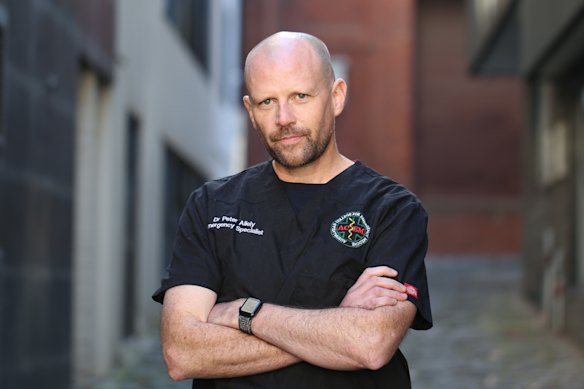
Aged care: Emergency doctors warn of ‘terrifying’ crisis Australia is not prepared for
Emergency physicians have issued urgent warnings regarding a looming crisis in Australia’s aged care sector, describing the situation as terrifying and highlighting systemic unpreparedness.
The story
in brief.
What happened, who it affects, and why it landed on our intelligence desk — in plain English, sixty seconds or less.
Emergency physicians have issued urgent warnings regarding a looming crisis in Australia’s aged care sector, describing the situation as terrifying and highlighting systemic unpreparedness. The report indicates that current infrastructure and staffing levels are insufficient to handle the projected surge in demand for elderly care services. This shortage threatens to overwhelm existing medical resources, particularly emergency departments, which are increasingly serving as primary points of contact for aged care issues. The narrative underscores a critical gap between demographic realities and current healthcare capacity, suggesting that without immediate structural intervention, the quality and availability of care for the elderly population will deteriorate significantly across the nation.
Indicative index of skill mentions in professional job postings for the field this story moves (2019 = 1)
What this means
for your career.
Every headline redistributes opportunity. Here is who this one rewards — and how to be on the right side of it.
This development signals a sharp increase in demand for professionals who can navigate complex healthcare systems and manage operational resilience. If you work in health services, prioritise upskilling in regulatory compliance and workforce planning. For those in adjacent fields, roles in risk assessment and strategic resource allocation are becoming critical. You should focus on understanding the intersection of policy, operations, and patient safety. Smart professionals will immediately audit their current competencies against aged care standards. Consider specialising in Healthcare Management to lead organisational change or Risk Management to mitigate systemic failures. If you are in HR, focus on retention strategies for clinical staff. Proactive learning in these areas will position you as an essential asset in an industry desperate for structured, efficient solutions to its growing crisis.
For this story, the fields that convert it into pay are Healthcare Management, Risk Management, Health and Social Care and Occupational Health and Safety — exactly the programmes matched below. The chart shows the indicative salary uplift certified professionals report in each of those fields; every one of them is a click away, from £79, finishing in as few as 20 days.
Indicative ranges from published continuing-education salary studies, by field — each field is a recommended course below
Enrol in these
to benefit.
These programmes position you for exactly this shift — online, self-paced, and finishing with a verifiable certificate you can share the day you pass.
 Best match
Certificate in Healthcare Management
 Recommended
Certificate in Risk Management
 Recommended
Certificate in Health and Social Care
 Recommended
Certificate in Occupational Health and Safety
Launch pricing shown against standard certificate value. The fee you see today is the fee you lock in.
This briefing is based on reporting by SMH.com.au on 12 Oct, 18:00. Read the original coverage →
Read the news. Then outrun it.
Every LSBR programme is online, self-paced and from £79 — so a headline today can be your credential this month.
