
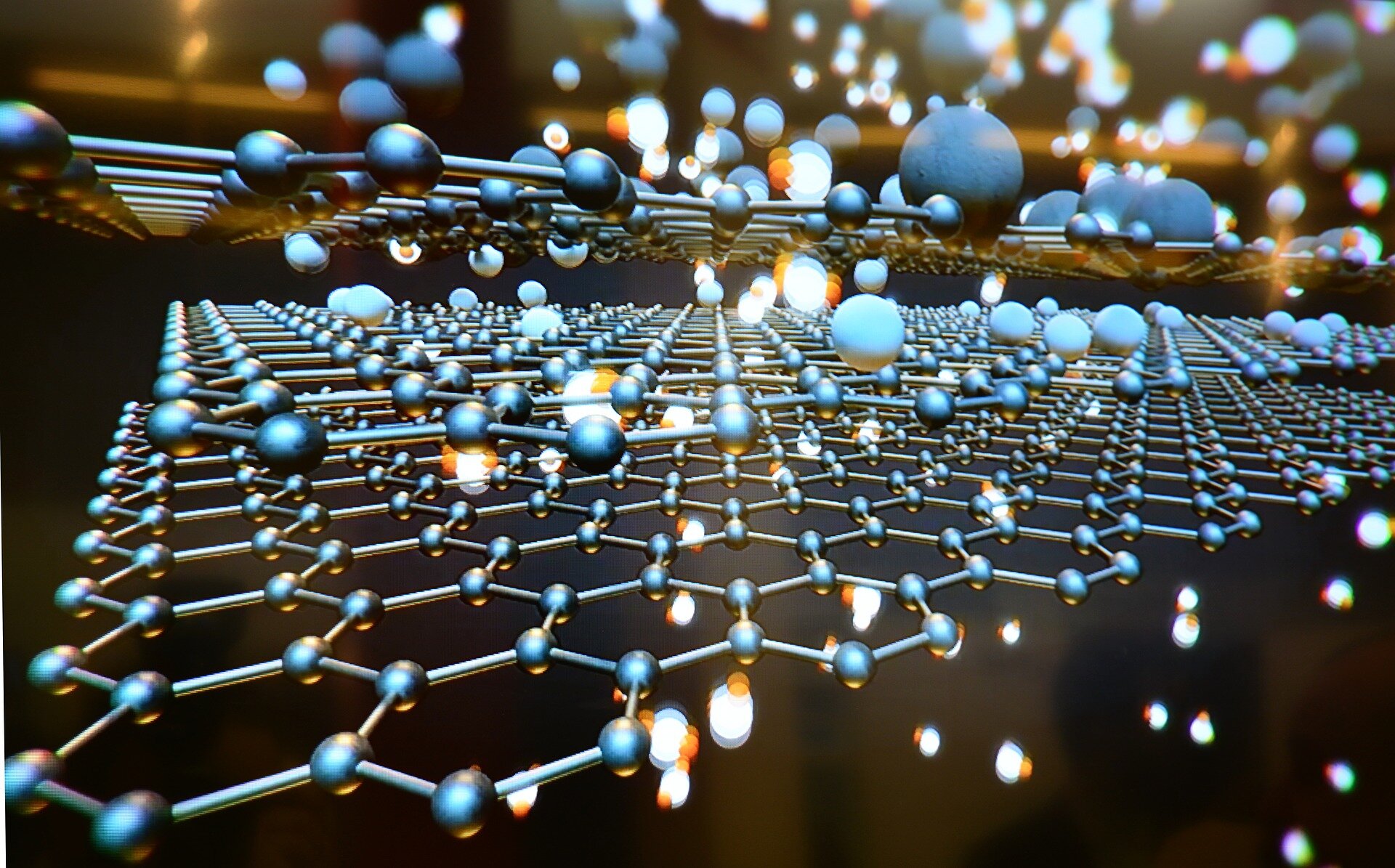
AI helps uncover overlooked 2D materials and create 11 new ones
Recent research demonstrates how artificial intelligence accelerates the discovery of novel two-dimensional materials.
The story
in brief.
What happened, who it affects, and why it landed on our intelligence desk — in plain English, sixty seconds or less.
Recent research demonstrates how artificial intelligence accelerates the discovery of novel two-dimensional materials. By analysing vast datasets of chemical structures, AI systems identified previously overlooked candidates and successfully predicted eleven new stable materials. This development significantly reduces the time and cost associated with traditional trial-and-error laboratory experiments. For professionals, this highlights a shift towards computational methods in material science. The findings suggest that AI is becoming an indispensable tool for accelerating scientific breakthroughs, enabling faster validation of theoretical models before physical synthesis. This trend underscores the growing importance of digital simulation in industrial research and development pipelines.
Indicative index of skill mentions in professional job postings for the field this story moves (2019 = 1)
What this means
for your career.
Every headline redistributes opportunity. Here is who this one rewards — and how to be on the right side of it.
This breakthrough signals a fundamental shift in research and development workflows. Professionals in engineering, chemistry, and materials science must now integrate AI literacy into their core competencies. Traditional experimental roles are evolving; you need to understand how to interpret algorithmic predictions to guide laboratory work. If you work in manufacturing or product design, pay close attention to these advancements, as they will shorten innovation cycles. A smart professional would immediately upskill in data science fundamentals or machine learning applications specific to their industry. You should also explore cross-train in computational modelling to bridge the gap between theoretical AI outputs and practical application. Ignoring this convergence of AI and physical sciences risks obsolescence in high-tech sectors.
For this story, the fields that convert it into pay are Artificial Intelligence, Data Science, AI in Engineering and Engineering — exactly the programmes matched below. The chart shows the indicative salary uplift certified professionals report in each of those fields; every one of them is a click away, from £79, finishing in as few as 20 days.
Indicative ranges from published continuing-education salary studies, by field — each field is a recommended course below
Enrol in these
to benefit.
These programmes position you for exactly this shift — online, self-paced, and finishing with a verifiable certificate you can share the day you pass.
 Best match
Certificate in Artificial Intelligence
 Recommended
Certificate in Data Science
 Recommended
Certificate in AI in Engineering
 Recommended
Certificate in Engineering
Launch pricing shown against standard certificate value. The fee you see today is the fee you lock in.
This briefing is based on reporting by Phys.org on 29 Oct, 18:00. Read the original coverage →
Read the news. Then outrun it.
Every LSBR programme is online, self-paced and from £79 — so a headline today can be your credential this month.
