

AI identifies Senegal's smallholder crops 84% of the time using limited training data
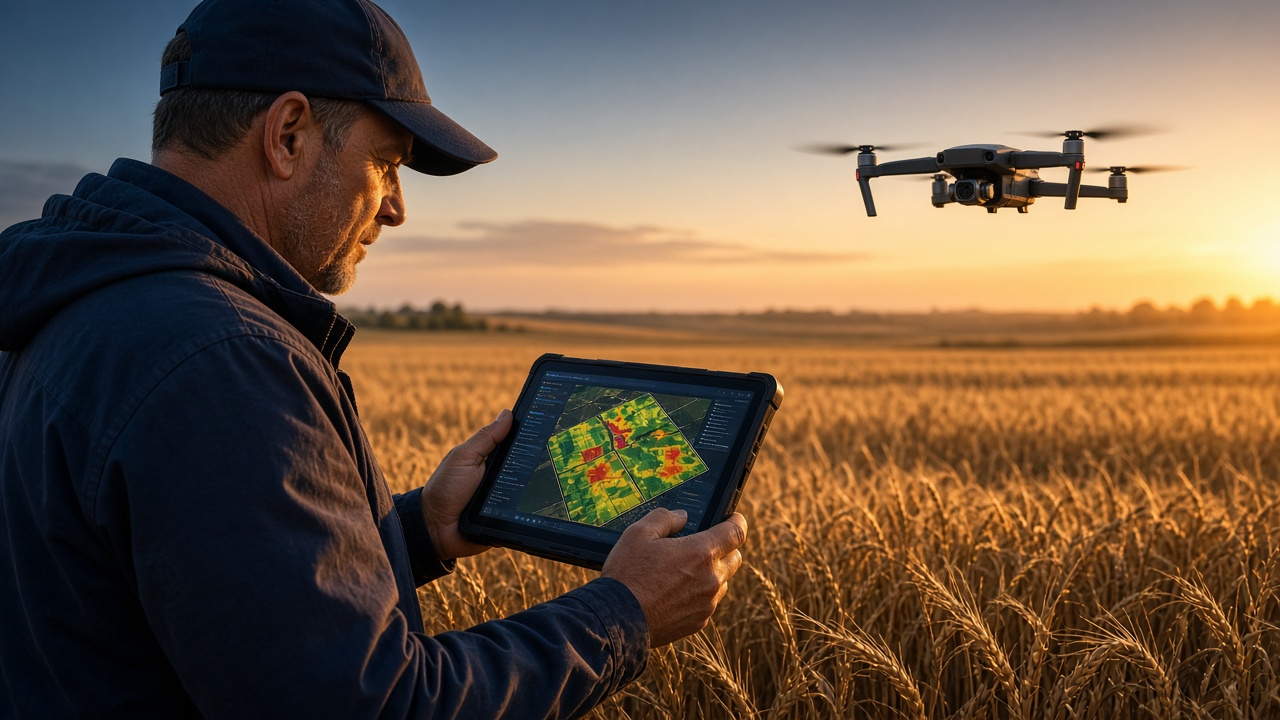
Recent research demonstrates that artificial intelligence can identify crops grown by smallholder farmers in Senegal with 84% accuracy, despite relying on limited training data.
The story
in brief.
What happened, who it affects, and why it landed on our intelligence desk — in plain English, sixty seconds or less.
Recent research demonstrates that artificial intelligence can identify crops grown by smallholder farmers in Senegal with 84% accuracy, despite relying on limited training data. This development highlights the potential for machine learning models to function effectively in data-scarce environments typical of developing agricultural sectors. The study suggests that AI tools can be deployed to support food security and agricultural planning without requiring extensive, costly datasets, offering a scalable solution for monitoring crop production in regions where traditional data collection methods are impractical or inefficient.
Indicative index of skill mentions in professional job postings for the field this story moves (2019 = 1)
What this means
for your career.
Every headline redistributes opportunity. Here is who this one rewards — and how to be on the right side of it.
This breakthrough signals a shift towards leaner, more adaptable AI solutions, making expertise in low-data machine learning highly valuable. Professionals in agriculture, development, and data science should prioritise understanding techniques like transfer learning and few-shot classification. You should explore how AI can operate in resource-constrained settings, as this skill set is increasingly transferable across global industries. Upskill in data efficiency and model optimisation to stay competitive. Consider roles bridging technology and field operations, where you can implement these tools responsibly. Focus on practical applications that solve real-world problems with minimal data, ensuring your career remains relevant in an evolving tech landscape that values efficiency over sheer volume.
For this story, the fields that convert it into pay are AI in Agriculture, Data Science, Artificial Intelligence and Data analytics — exactly the programmes matched below. The chart shows the indicative salary uplift certified professionals report in each of those fields; every one of them is a click away, from £79, finishing in as few as 20 days.
Indicative ranges from published continuing-education salary studies, by field — each field is a recommended course below
Enrol in these
to benefit.
These programmes position you for exactly this shift — online, self-paced, and finishing with a verifiable certificate you can share the day you pass.
 Best match
Certificate in AI in Agriculture
 Recommended
Certificate in Data Science
 Recommended
Certificate in Artificial Intelligence
Recommended
Certificate in Data analytics
Launch pricing shown against standard certificate value. The fee you see today is the fee you lock in.
This briefing is based on reporting by Phys.org on 29 Sep, 07:00. Read the original coverage →
Read the news. Then outrun it.
Every LSBR programme is online, self-paced and from £79 — so a headline today can be your credential this month.
