
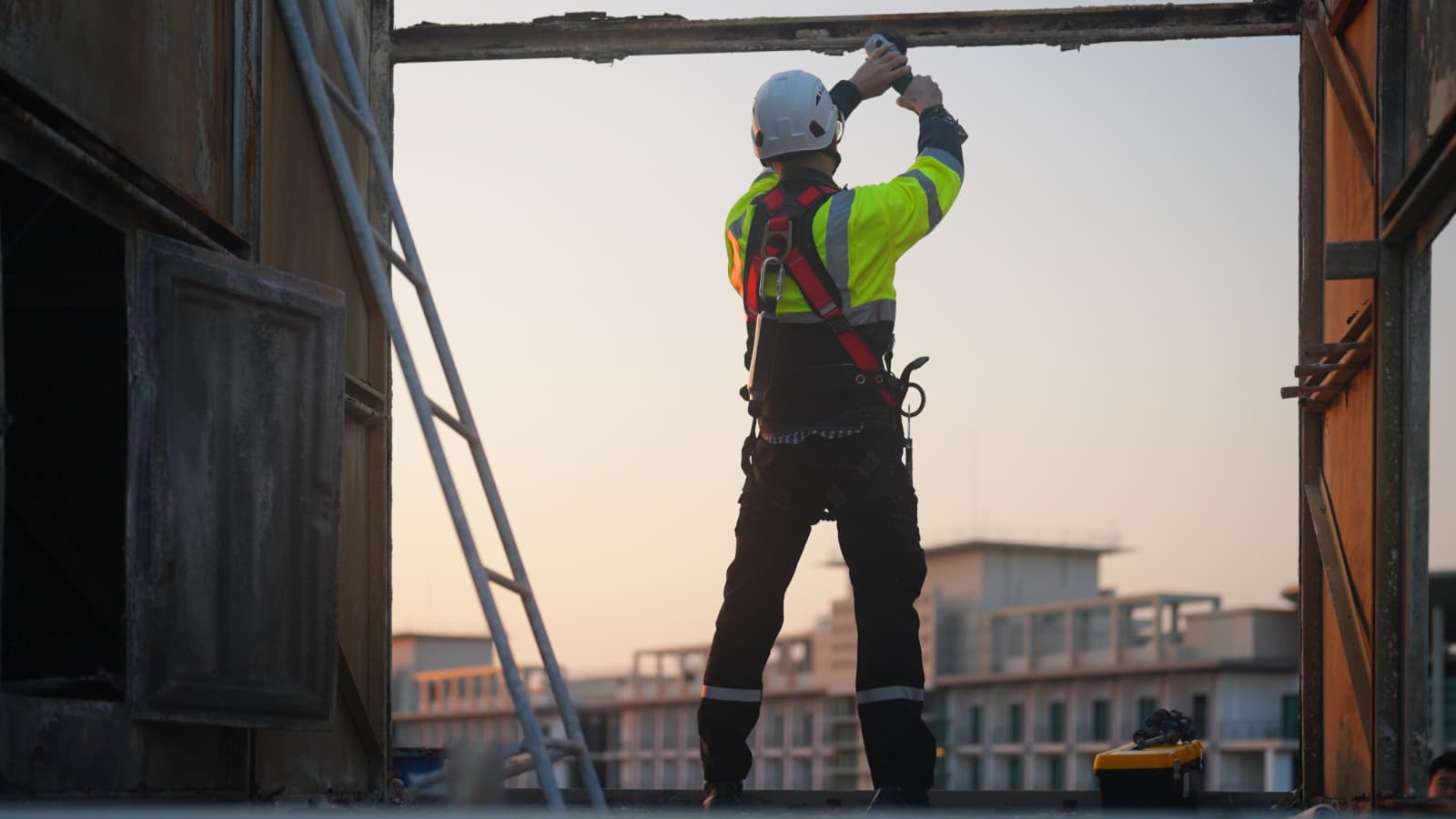
AI is coming to construction sites. But does it make workers safer?
A recent CNBC report examines the integration of artificial intelligence into construction sites, questioning whether these technological advancements genuinely enhance worker safety.
The story
in brief.
What happened, who it affects, and why it landed on our intelligence desk — in plain English, sixty seconds or less.
A recent CNBC report examines the integration of artificial intelligence into construction sites, questioning whether these technological advancements genuinely enhance worker safety. The article explores how AI-driven tools are being deployed to monitor hazards and improve site conditions. While the technology promises significant improvements in risk mitigation and operational efficiency, the narrative remains cautious, highlighting the ongoing debate regarding its actual impact on human safety outcomes. This development signals a pivotal shift in the industry, where digital innovation intersects with traditional labour practices, prompting professionals to consider the broader implications of automated safety systems in high-risk environments.
Indicative index of skill mentions in professional job postings for the field this story moves (2019 = 1)
What this means
for your career.
Every headline redistributes opportunity. Here is who this one rewards — and how to be on the right side of it.
This shift demands that you adapt quickly. Traditional site roles are evolving, placing a premium on professionals who can bridge the gap between physical construction and digital oversight. You should prioritise skills in interpreting AI-generated safety data and managing technology-led risk assessments. If you work in construction, engineering, or safety compliance, pay close attention. Your next move is to upskill in AI applications specific to built environments. Learn to validate algorithmic safety recommendations rather than blindly trusting them. Understand the technical limitations of these systems to ensure they complement, rather than replace, human judgement. This proactive approach will position you as a critical leader in the transition towards smarter, safer worksites.
For this story, the fields that convert it into pay are AI in Construction, Occupational Health and Safety, Data analytics and Risk Management — exactly the programmes matched below. The chart shows the indicative salary uplift certified professionals report in each of those fields; every one of them is a click away, from £79, finishing in as few as 20 days.
Indicative ranges from published continuing-education salary studies, by field — each field is a recommended course below
Enrol in these
to benefit.
These programmes position you for exactly this shift — online, self-paced, and finishing with a verifiable certificate you can share the day you pass.
 Best match
Certificate in AI in Construction
 Recommended
Certificate in Occupational Health and Safety
 Recommended
Certificate in Data analytics
Recommended
Certificate in Risk Management
Launch pricing shown against standard certificate value. The fee you see today is the fee you lock in.
This briefing is based on reporting by CNBC on 31 Oct, 06:00. Read the original coverage →
Read the news. Then outrun it.
Every LSBR programme is online, self-paced and from £79 — so a headline today can be your credential this month.
