
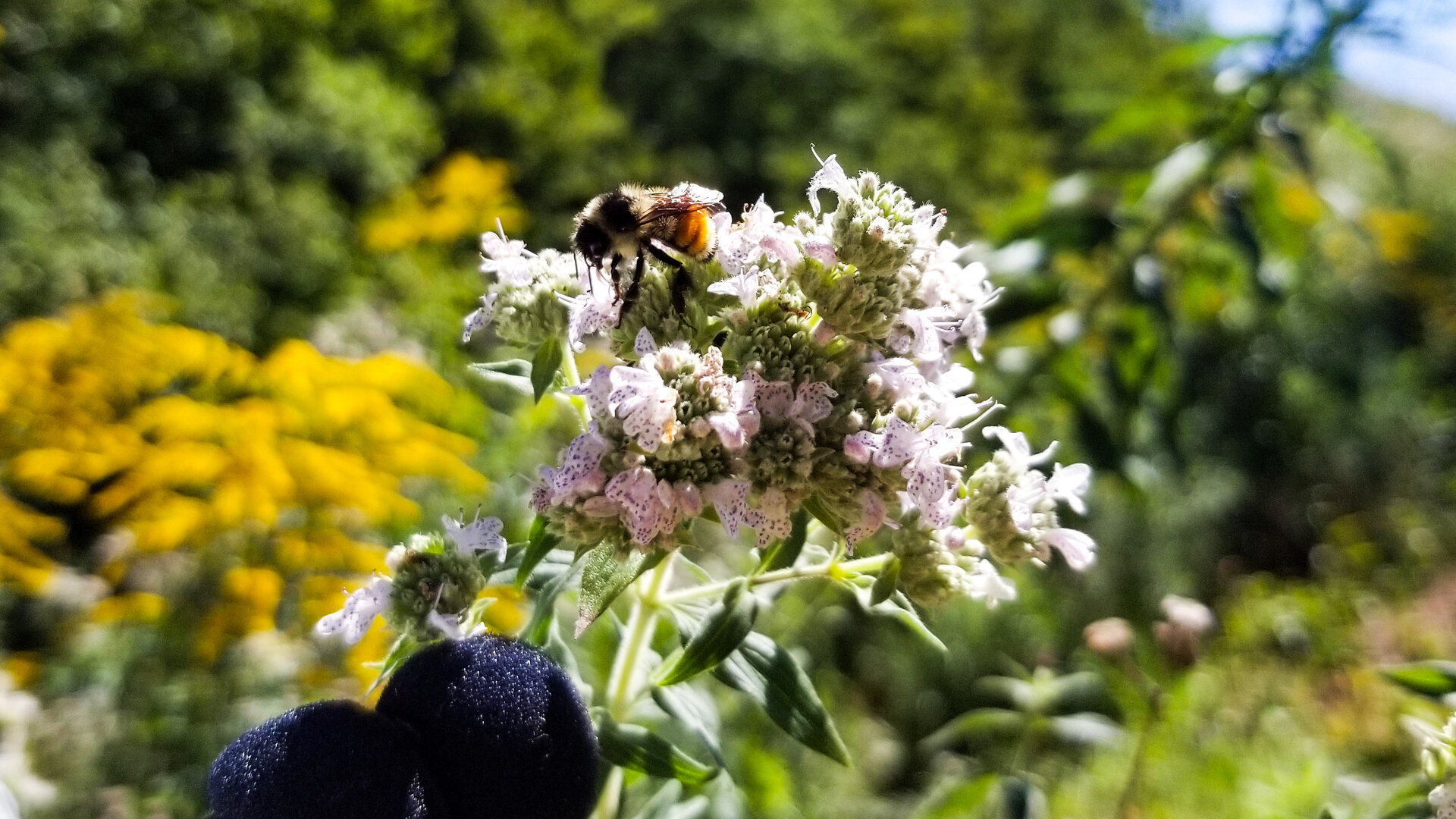
AI listens to bee buzzes to monitor activity without lethal traps
Researchers have developed a non-invasive method to monitor bee populations by analysing their buzzing sounds using artificial intelligence.
The story
in brief.
What happened, who it affects, and why it landed on our intelligence desk — in plain English, sixty seconds or less.
Researchers have developed a non-invasive method to monitor bee populations by analysing their buzzing sounds using artificial intelligence. This approach replaces traditional lethal trapping methods, offering a more ethical and sustainable way to track pollinator health. The system processes audio data to identify species and activity levels, providing real-time insights into ecosystem dynamics. This development highlights the expanding application of machine learning in environmental science and conservation efforts, demonstrating how technology can support biodiversity monitoring without harming wildlife. It represents a significant step towards integrating AI into ecological research for more accurate and humane data collection.
Indicative index of skill mentions in professional job postings for the field this story moves (2019 = 1)
What this means
for your career.
Every headline redistributes opportunity. Here is who this one rewards — and how to be on the right side of it.
You must recognise that AI applications are rapidly expanding beyond commercial sectors into environmental stewardship and scientific research. Professionals in data science and engineering should prioritise skills in audio signal processing and machine learning model development. If you work in sustainability or agriculture, this signals a shift towards tech-enabled conservation strategies. You should explore how acoustic monitoring can inform your industry’s environmental reporting. Upskilling in data analytics and AI strategy will position you to lead these innovative projects. Consider how your organisation can adopt non-invasive monitoring tools to enhance its ESG credentials. Stay ahead by understanding the intersection of technology and ecology, as demand for specialists who can bridge these fields will grow significantly in the coming years.
For this story, the fields that convert it into pay are Artificial Intelligence, Data Science, AI in Agriculture and Engineering — exactly the programmes matched below. The chart shows the indicative salary uplift certified professionals report in each of those fields; every one of them is a click away, from £79, finishing in as few as 20 days.
Indicative ranges from published continuing-education salary studies, by field — each field is a recommended course below
Enrol in these
to benefit.
These programmes position you for exactly this shift — online, self-paced, and finishing with a verifiable certificate you can share the day you pass.
 Best match
Certificate in Artificial Intelligence
 Recommended
Certificate in Data Science
 Recommended
Certificate in AI in Agriculture
 Recommended
Certificate in Engineering
Launch pricing shown against standard certificate value. The fee you see today is the fee you lock in.
This briefing is based on reporting by Phys.org on 21 Oct, 23:40. Read the original coverage →
Read the news. Then outrun it.
Every LSBR programme is online, self-paced and from £79 — so a headline today can be your credential this month.
