
AI points researchers toward new disease targets hidden in mitochondria
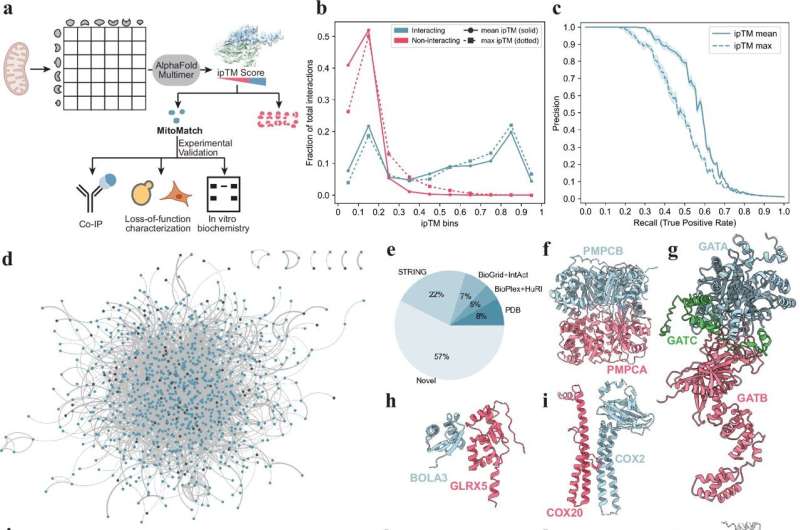
Recent research highlights how artificial intelligence is identifying novel disease targets concealed within mitochondria, the cellular powerhouses.
The story
in brief.
What happened, who it affects, and why it landed on our intelligence desk — in plain English, sixty seconds or less.
Recent research highlights how artificial intelligence is identifying novel disease targets concealed within mitochondria, the cellular powerhouses. By analysing complex biological data, AI algorithms have uncovered previously hidden mechanisms linked to various illnesses. This development suggests that machine learning can accelerate drug discovery by pinpointing specific mitochondrial functions that traditional methods often overlook. For professionals, this signals a growing convergence of computational power and biological research, potentially shortening development timelines for new therapies. The findings underscore the increasing reliance on advanced analytics to solve intricate medical challenges, offering a clearer path for targeted interventions in conditions driven by mitochondrial dysfunction.
Indicative index of skill mentions in professional job postings for the field this story moves (2019 = 1)
What this means
for your career.
Every headline redistributes opportunity. Here is who this one rewards — and how to be on the right side of it.
This shift demands that you bridge the gap between biological insight and computational power. If you work in pharma or biotech, understanding how AI identifies drug targets is no longer optional; it is essential. You must upskill in interpreting AI-driven biological data to remain relevant. Professionals in data science should focus on applying their models to healthcare contexts, while clinicians need to grasp the implications of these new targets for patient care. A smart move is to pursue training that combines technical AI literacy with domain-specific healthcare knowledge. This hybrid expertise allows you to lead projects that translate algorithmic findings into viable treatments. Prioritise courses that teach you to evaluate AI outputs in a medical context, ensuring you can drive innovation rather than merely observe it.
For this story, the fields that convert it into pay are AI in Pharmaceuticals, Data Science, Artificial Intelligence and Healthcare Management — exactly the programmes matched below. The chart shows the indicative salary uplift certified professionals report in each of those fields; every one of them is a click away, from £79, finishing in as few as 20 days.
Indicative ranges from published continuing-education salary studies, by field — each field is a recommended course below
Enrol in these
to benefit.
These programmes position you for exactly this shift — online, self-paced, and finishing with a verifiable certificate you can share the day you pass.
 Best match
Certificate in AI in Pharmaceuticals
 Recommended
Certificate in Data Science
 Recommended
Certificate in Artificial Intelligence
 Recommended
Certificate in Healthcare Management
Launch pricing shown against standard certificate value. The fee you see today is the fee you lock in.
This briefing is based on reporting by Phys.org on 6 Nov, 19:20. Read the original coverage →
Read the news. Then outrun it.
Every LSBR programme is online, self-paced and from £79 — so a headline today can be your credential this month.
