
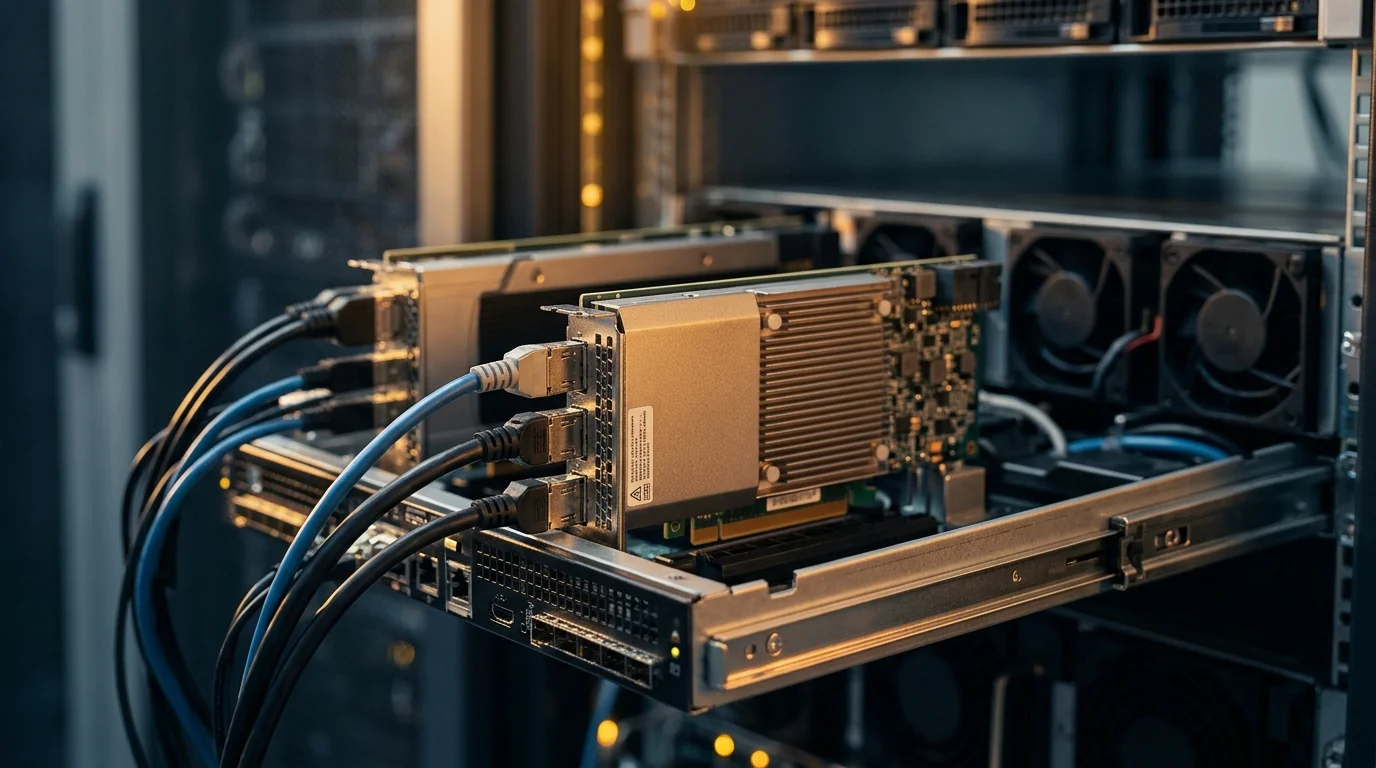
AI processors can sit idle waiting for data. SOAR AI's new U.S. patent aims to reduce that waste.
SOAR AI has secured a new U.S. patent for technology designed to minimise idle time in AI processors. Currently, these high-performance chips often wait passively for data, resulting in significant computational waste and inefficiency. The patented system aims to streamline data delivery, ensuring processors remain active and optimised. This development addresses a critical bottleneck in artificial intelligence infrastructure, potentially reducing operational costs and improving processing speeds for enterprises deploying large-scale AI models. The innovation signals a shift towards more efficient hardware utilisation within the broader AI ecosystem.
The story
in brief.
What happened, who it affects, and why it landed on our intelligence desk — in plain English, sixty seconds or less.
SOAR AI has secured a new U.S. patent for technology designed to minimise idle time in AI processors. Currently, these high-performance chips often wait passively for data, resulting in significant computational waste and inefficiency. The patented system aims to streamline data delivery, ensuring processors remain active and optimised. This development addresses a critical bottleneck in artificial intelligence infrastructure, potentially reducing operational costs and improving processing speeds for enterprises deploying large-scale AI models. The innovation signals a shift towards more efficient hardware utilisation within the broader AI ecosystem.
Indicative index of skill mentions in professional job postings for the field this story moves (2019 = 1)
What this means
for your career.
Every headline redistributes opportunity. Here is who this one rewards — and how to be on the right side of it.
This patent highlights that hardware efficiency is becoming as crucial as algorithmic accuracy. Professionals in data engineering and infrastructure must now prioritise optimising data pipelines to prevent processor bottlenecks. Your technical skills in managing data flow will directly influence cost efficiency and model performance. If you work in AI strategy, understand that infrastructure waste impacts your bottom line. You should examine your current data architecture for latency issues. Upskill in high-performance computing and data engineering to ensure your models run seamlessly. This shift rewards those who can bridge the gap between software logic and hardware constraints, making system optimisation a highly valuable career asset.
For this story, the fields that convert it into pay are Artificial Intelligence, Data Science, Cloud computing and Engineering — exactly the programmes matched below. The chart shows the indicative salary uplift certified professionals report in each of those fields; every one of them is a click away, from £79, finishing in as few as 20 days.
Indicative ranges from published continuing-education salary studies, by field — each field is a recommended course below
Enrol in these
to benefit.
These programmes position you for exactly this shift — online, self-paced, and finishing with a verifiable certificate you can share the day you pass.
 Best match
Certificate in Artificial Intelligence
 Recommended
Certificate in Data Science
Recommended
Certificate in Cloud computing
 Recommended
Certificate in Engineering
Launch pricing shown against standard certificate value. The fee you see today is the fee you lock in.
This briefing is based on reporting by Stock Titan on 27 Oct, 12:05. Read the original coverage →
Read the news. Then outrun it.
Every LSBR programme is online, self-paced and from £79 — so a headline today can be your credential this month.
