
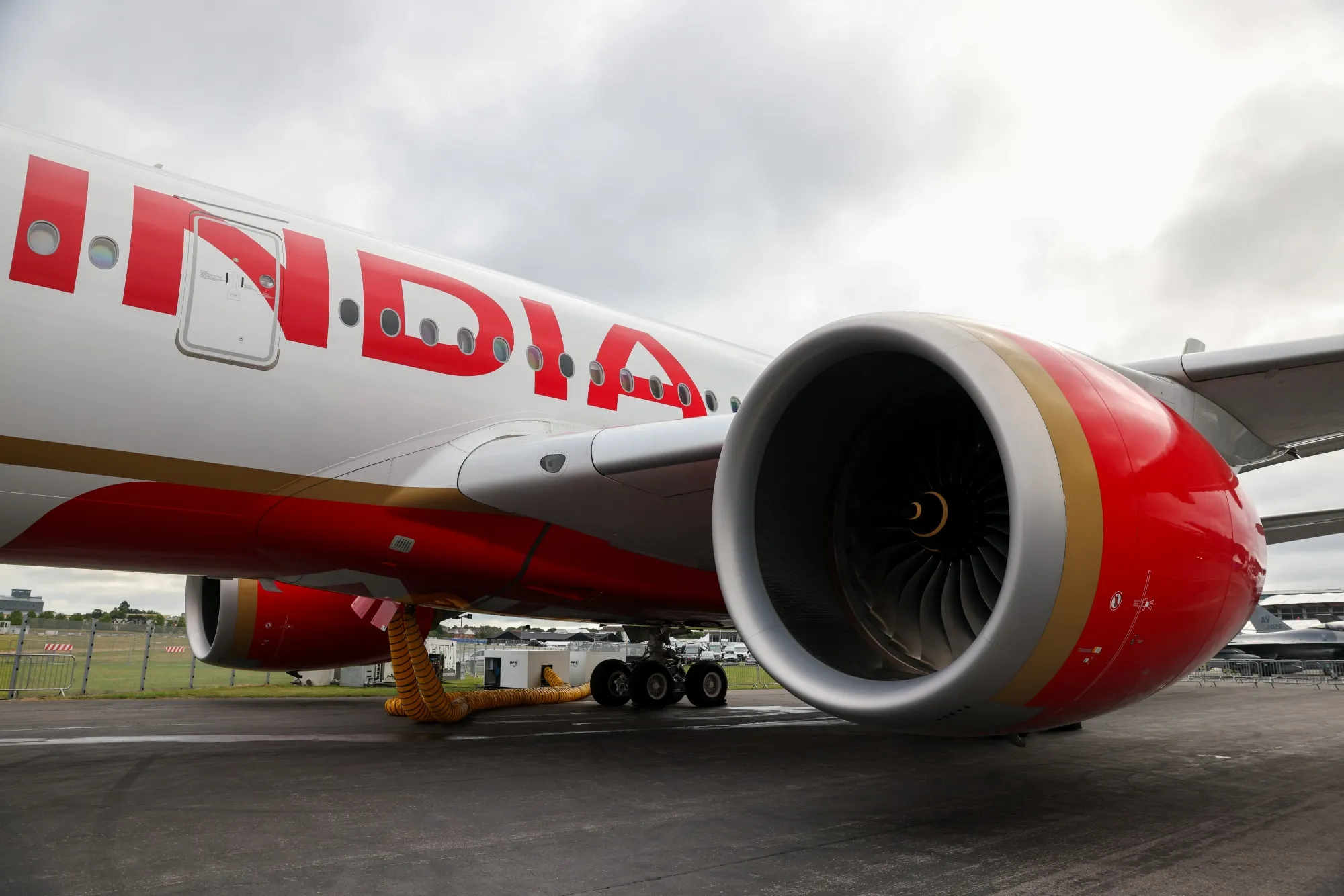
Air India CEO Moves to Cut High Maintenance Cost of A350 Engines
Air India’s chief executive has initiated a strategic review to reduce the substantial maintenance expenses associated with Airbus A350 engines.
The story
in brief.
What happened, who it affects, and why it landed on our intelligence desk — in plain English, sixty seconds or less.
Air India’s chief executive has initiated a strategic review to reduce the substantial maintenance expenses associated with Airbus A350 engines. This operational adjustment highlights the intense pressure on aviation firms to optimise costs amidst fluctuating fuel prices and post-pandemic recovery challenges. The move signals a broader industry focus on lifecycle cost management and operational efficiency. For professionals, this underscores the critical importance of balancing technical performance with financial sustainability. It reflects a shift towards data-driven maintenance strategies and rigorous budget oversight within major carriers seeking to improve their bottom lines without compromising safety or service quality standards.
Indicative index of skill mentions in professional job postings for the field this story moves (2019 = 1)
What this means
for your career.
Every headline redistributes opportunity. Here is who this one rewards — and how to be on the right side of it.
This development signals that operational efficiency is now paramount in aviation. You should prioritise skills in cost optimisation and technical asset management. Professionals in engineering, finance, and supply chain roles must demonstrate how they can reduce lifecycle costs while maintaining safety standards. Focus on understanding maintenance data analytics and strategic sourcing for spare parts. If you are in a leadership position, align your team’s KPIs with cost-saving initiatives. For engineers, specialise in predictive maintenance technologies that prevent costly failures. Finance professionals should deepen their expertise in operational budgeting and capital allocation. Smart professionals will immediately audit their current projects for inefficiencies. They will also seek cross-functional training to understand the financial implications of technical decisions, positioning themselves as vital assets in a cost-conscious industry landscape.
For this story, the fields that convert it into pay are Engineering, Finance and Accounting, Supply Chain and Business and Management — exactly the programmes matched below. The chart shows the indicative salary uplift certified professionals report in each of those fields; every one of them is a click away, from £79, finishing in as few as 20 days.
Indicative ranges from published continuing-education salary studies, by field — each field is a recommended course below
Enrol in these
to benefit.
These programmes position you for exactly this shift — online, self-paced, and finishing with a verifiable certificate you can share the day you pass.
 Best match
Certificate in Engineering
 Recommended
Certificate in Finance and Accounting
 Recommended
Certificate in Supply Chain
 Recommended
Certificate in Business and Management
Launch pricing shown against standard certificate value. The fee you see today is the fee you lock in.
This briefing is based on reporting by Bloomberg.com on 14 Oct, 08:41. Read the original coverage →
Read the news. Then outrun it.
Every LSBR programme is online, self-paced and from £79 — so a headline today can be your credential this month.
