
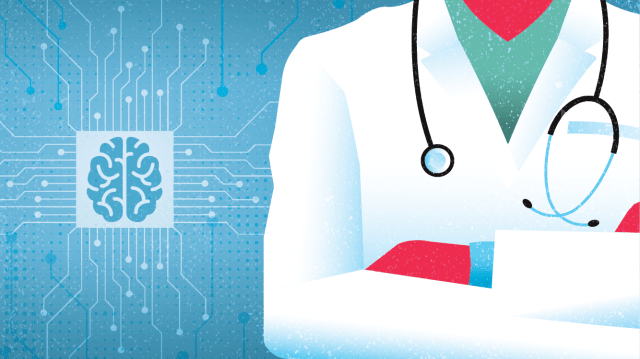
Americans Are Open to AI in Healthcare, but Want Humans Making Final Calls
A recent Pew Research Centre study reveals that while Americans are generally receptive to artificial intelligence applications within the healthcare sector, they retain a strong preference for human clinicians to make final diagnostic and treatment decisions.
The story
in brief.
What happened, who it affects, and why it landed on our intelligence desk — in plain English, sixty seconds or less.
A recent Pew Research Centre study reveals that while Americans are generally receptive to artificial intelligence applications within the healthcare sector, they retain a strong preference for human clinicians to make final diagnostic and treatment decisions. The data suggests that public trust in AI is conditional; people welcome the technology’s efficiency and analytical capabilities but remain wary of fully autonomous medical judgments. This finding highlights a nuanced public stance where AI is viewed as a supportive tool rather than a replacement for professional human expertise, underscoring the continued importance of human oversight in critical care environments.
Indicative index of skill mentions in professional job postings for the field this story moves (2019 = 1)
What this means
for your career.
Every headline redistributes opportunity. Here is who this one rewards — and how to be on the right side of it.
This shift signals that technical AI proficiency alone is insufficient for career growth in healthcare. Professionals must now cultivate hybrid skills that blend technological literacy with advanced clinical judgement and ethical reasoning. As organisations integrate AI, roles requiring human oversight, patient communication, and complex decision-making will rise in value. You should focus on developing competencies in interpreting AI outputs responsibly and maintaining patient trust. Prioritise training in ethical frameworks and leadership to manage human-AI collaboration effectively. Upskilling in these areas will position you as an indispensable bridge between algorithmic efficiency and compassionate care, ensuring you remain relevant as the industry evolves towards augmented, rather than automated, practice.
For this story, the fields that convert it into pay are AI in Healthcare, Healthcare Management, Leadership and Risk Management — exactly the programmes matched below. The chart shows the indicative salary uplift certified professionals report in each of those fields; every one of them is a click away, from £79, finishing in as few as 20 days.
Indicative ranges from published continuing-education salary studies, by field — each field is a recommended course below
Enrol in these
to benefit.
These programmes position you for exactly this shift — online, self-paced, and finishing with a verifiable certificate you can share the day you pass.
 Best match
Certificate in AI in Healthcare
 Recommended
Certificate in Healthcare Management
 Recommended
Certificate in Leadership
 Recommended
Certificate in Risk Management
Launch pricing shown against standard certificate value. The fee you see today is the fee you lock in.
This briefing is based on reporting by Pew Research Center on 29 Oct, 13:56. Read the original coverage →
Read the news. Then outrun it.
Every LSBR programme is online, self-paced and from £79 — so a headline today can be your credential this month.
