
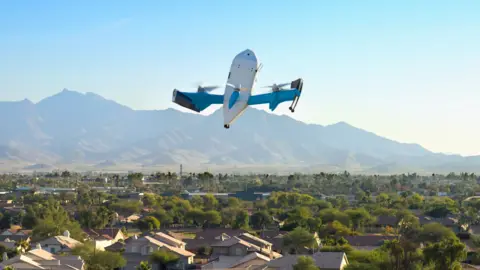
'An annoying buzz': The search for stealthier drones
Recent reporting highlights the growing demand for quieter drone technology, driven by public annoyance and regulatory pressure.
The story
in brief.
What happened, who it affects, and why it landed on our intelligence desk — in plain English, sixty seconds or less.
Recent reporting highlights the growing demand for quieter drone technology, driven by public annoyance and regulatory pressure. Manufacturers are actively seeking engineering solutions to reduce acoustic signatures, moving beyond mere propulsion efficiency. This shift reflects a broader industry trend where operational stealth is becoming as critical as payload capacity or range. For professionals in aerospace and urban air mobility, this signals a pivot towards noise mitigation strategies. The focus is now on integrating acoustic engineering with aerodynamic design to meet stricter urban noise ordinances and improve community acceptance of aerial vehicles.
Indicative index of skill mentions in professional job postings for the field this story moves (2019 = 1)
What this means
for your career.
Every headline redistributes opportunity. Here is who this one rewards — and how to be on the right side of it.
This development elevates the value of acoustic engineering and advanced materials science within the aerospace sector. You should pay attention if you work in drone manufacturing, urban air mobility, or environmental compliance. Roles focusing on noise reduction technologies will see increased demand as cities enforce stricter sound limits. A smart professional would upskill in acoustic simulation tools or pursue certifications in environmental impact assessment. Consider exploring projects that integrate quiet propulsion systems, as this niche is rapidly expanding. Networking with regulatory bodies will also provide insights into upcoming standards, positioning you as a forward-thinking expert capable of navigating the complex intersection of technology and public policy in this evolving market.
For this story, the fields that convert it into pay are Engineering, AI in Aviation, Project Management and Risk Management — exactly the programmes matched below. The chart shows the indicative salary uplift certified professionals report in each of those fields; every one of them is a click away, from £79, finishing in as few as 20 days.
Indicative ranges from published continuing-education salary studies, by field — each field is a recommended course below
Enrol in these
to benefit.
These programmes position you for exactly this shift — online, self-paced, and finishing with a verifiable certificate you can share the day you pass.
 Best match
Certificate in Engineering
 Recommended
Certificate in AI in Aviation
 Recommended
Certificate in Project Management
Recommended
Certificate in Risk Management
Launch pricing shown against standard certificate value. The fee you see today is the fee you lock in.
This briefing is based on reporting by BBC on 28 Oct, 00:01. Read the original coverage →
Read the news. Then outrun it.
Every LSBR programme is online, self-paced and from £79 — so a headline today can be your credential this month.
