
Arctic race heats up: how radar technology could transform naval operations in the polar regions | Newswise
Recent developments highlight intensifying geopolitical competition in the Arctic, driven by melting ice and strategic naval interests.
The story
in brief.
What happened, who it affects, and why it landed on our intelligence desk — in plain English, sixty seconds or less.
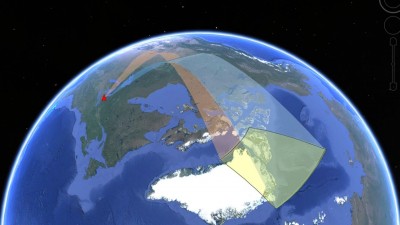
Recent developments highlight intensifying geopolitical competition in the Arctic, driven by melting ice and strategic naval interests. The report examines how advanced radar technology is becoming critical for effective naval operations in these harsh, remote environments. This technological shift aims to enhance situational awareness and operational capability for militaries navigating increasingly accessible polar waters, marking a significant evolution in defence infrastructure and strategic monitoring capabilities.
Indicative index of skill mentions in professional job postings for the field this story moves (2019 = 1)
What this means
for your career.
Every headline redistributes opportunity. Here is who this one rewards — and how to be on the right side of it.
This geopolitical shift elevates the strategic value of defence technology expertise. Professionals in engineering, data analytics, and risk management must now consider polar operational constraints. You should deepen your understanding of remote sensing and harsh-environment engineering to stay relevant. Defence contractors and government agencies will prioritise candidates who can integrate advanced radar systems with strategic decision-making frameworks. If you work in project management or supply chain, anticipate increased demand for logistics in extreme conditions. Focus on upskilling in sensor technology and international security law. Proactively seek roles involving defence innovation or Arctic strategy, as these sectors are poised for rapid growth and require specialised, adaptable talent.
For this story, the fields that convert it into pay are Engineering, Risk Management, Project Management and Data analytics — exactly the programmes matched below. The chart shows the indicative salary uplift certified professionals report in each of those fields; every one of them is a click away, from £79, finishing in as few as 20 days.
Indicative ranges from published continuing-education salary studies, by field — each field is a recommended course below
Enrol in these
to benefit.
These programmes position you for exactly this shift — online, self-paced, and finishing with a verifiable certificate you can share the day you pass.
 Best match
Certificate in Engineering
 Recommended
Certificate in Risk Management
Recommended
Certificate in Project Management
Recommended
Certificate in Data analytics
Launch pricing shown against standard certificate value. The fee you see today is the fee you lock in.
This briefing is based on reporting by Newswise on 28 Sep, 01:30. Read the original coverage →
Read the news. Then outrun it.
Every LSBR programme is online, self-paced and from £79 — so a headline today can be your credential this month.
