
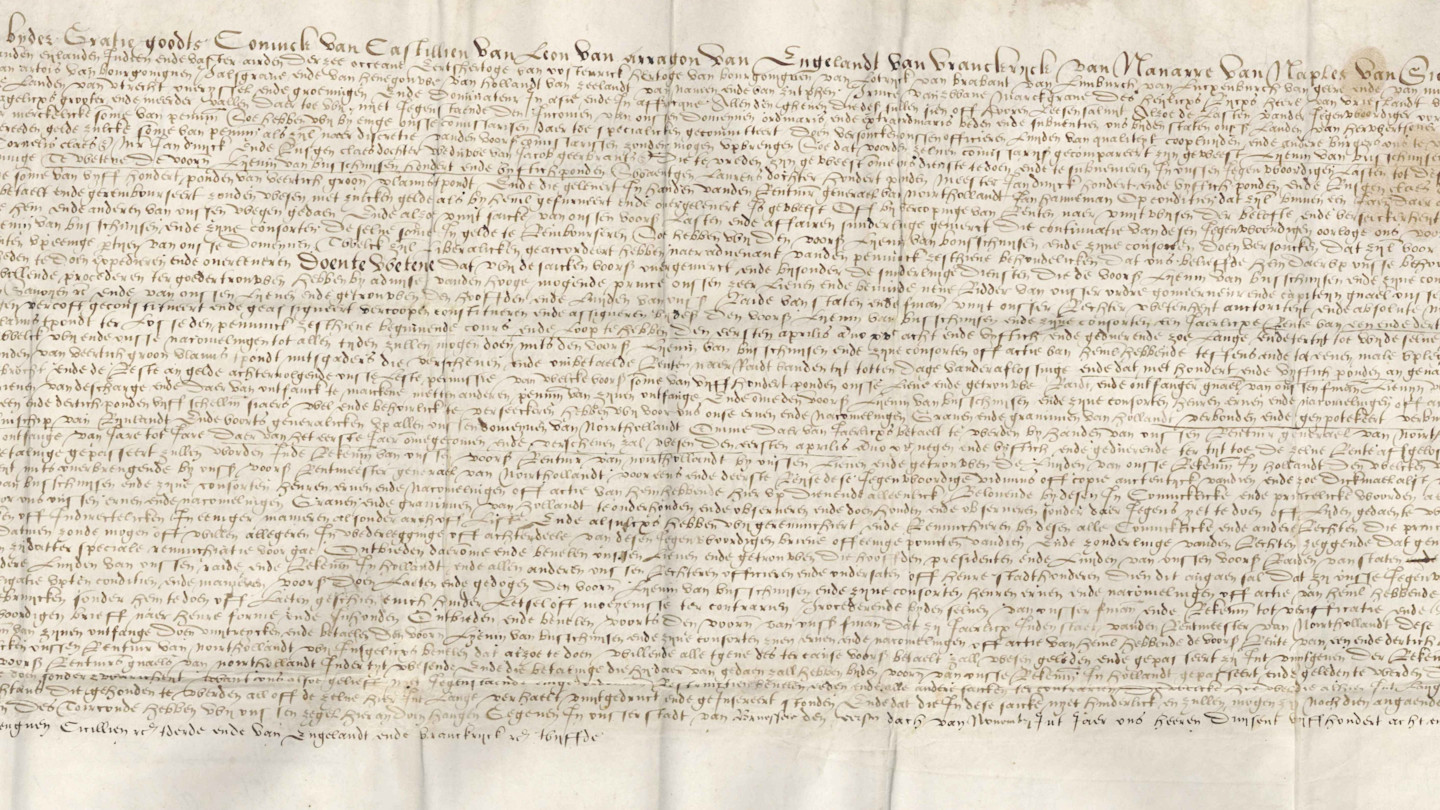
Are you into weird, esoteric financial history memorabilia?
The Financial Times explores the emerging market for esoteric financial history memorabilia, highlighting a niche interest in obscure artefacts and documents from the past.
The story
in brief.
What happened, who it affects, and why it landed on our intelligence desk — in plain English, sixty seconds or less.
The Financial Times explores the emerging market for esoteric financial history memorabilia, highlighting a niche interest in obscure artefacts and documents from the past. This story reports on how collectors and institutions are increasingly valuing these unique items, reflecting broader trends in alternative asset classes. It examines the growing demand for rare historical pieces, noting that while mainstream finance focuses on digital assets, a segment of professionals and enthusiasts is turning to tangible, historical curiosities. The article provides context on the cultural and economic significance of this trend, offering insights into how historical artefacts are gaining recognition as legitimate collectibles within the financial community.
Indicative index of skill mentions in professional job postings for the field this story moves (2019 = 1)
What this means
for your career.
Every headline redistributes opportunity. Here is who this one rewards — and how to be on the right side of it.
This niche trend signals a shift towards alternative assets, meaning professionals in wealth management and finance must broaden their expertise beyond traditional instruments. You should pay attention if you advise high-net-worth clients seeking diversification, as knowledge of rare collectibles becomes a valuable differentiator. A smart professional would study the valuation methods for non-standard assets and understand the provenance verification processes. Focus on developing skills in asset management and specialised finance to capture this emerging opportunity. By understanding the intersection of history and finance, you position yourself to offer unique advisory services. This development underscores the importance of adaptability; those who can navigate obscure markets will stand out. Prioritise learning about alternative investments to enhance your career resilience and client offerings in a diversified economic landscape.
For this story, the fields that convert it into pay are Finance and Accounting, Business and Management, Risk Management and Finance — exactly the programmes matched below. The chart shows the indicative salary uplift certified professionals report in each of those fields; every one of them is a click away, from £79, finishing in as few as 20 days.
Indicative ranges from published continuing-education salary studies, by field — each field is a recommended course below
Enrol in these
to benefit.
These programmes position you for exactly this shift — online, self-paced, and finishing with a verifiable certificate you can share the day you pass.
 Best match
Certificate in Finance and Accounting
 Recommended
Certificate in Business and Management
Recommended
Certificate in Risk Management
Recommended
Certificate in Finance
Launch pricing shown against standard certificate value. The fee you see today is the fee you lock in.
This briefing is based on reporting by Financial Times on 9 Nov, 12:00. Read the original coverage →
Read the news. Then outrun it.
Every LSBR programme is online, self-paced and from £79 — so a headline today can be your credential this month.
