
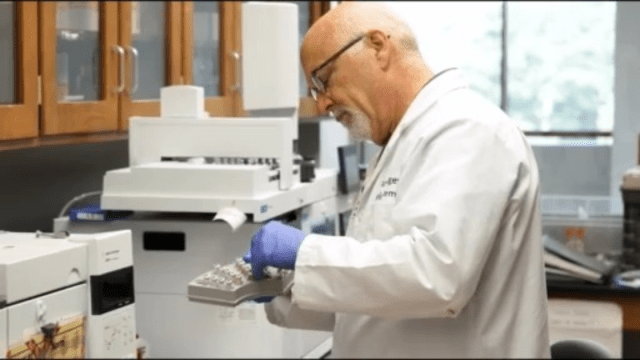
Arkansas State Crime Lab launches rapid DNA technology
The Arkansas State Crime Laboratory has officially implemented rapid DNA technology to accelerate forensic analysis processes.
The story
in brief.
What happened, who it affects, and why it landed on our intelligence desk — in plain English, sixty seconds or less.
The Arkansas State Crime Laboratory has officially implemented rapid DNA technology to accelerate forensic analysis processes. This advancement allows for significantly quicker processing of biological evidence compared to traditional methods, potentially reducing backlogs in criminal investigations. The initiative aims to enhance operational efficiency and support law enforcement agencies with faster, reliable results. This development marks a notable shift in forensic science capabilities within the state, reflecting broader trends towards modernising public safety infrastructure through advanced technological integration in laboratory settings.
Indicative index of skill mentions in professional job postings for the field this story moves (2019 = 1)
What this means
for your career.
Every headline redistributes opportunity. Here is who this one rewards — and how to be on the right side of it.
This shift signals that speed and precision are becoming critical in forensic and legal support roles. You should prioritise skills in DNA analysis, laboratory management, and forensic data interpretation. Professionals in law enforcement, legal services, and criminal justice must understand how accelerated evidence processing affects case timelines and chain of custody protocols. Smart practitioners will upskill in bioinformatics and automated laboratory systems to remain relevant. Consider pursuing certifications in forensic science technology or data analytics for criminal justice. You must also adapt to faster decision-making cycles, as evidence availability will no longer be a bottleneck. Engage with training on new laboratory information management systems to stay ahead of industry standards.
For this story, the fields that convert it into pay are Data analytics, Cyber Security, Law and Health and Social Care — exactly the programmes matched below. The chart shows the indicative salary uplift certified professionals report in each of those fields; every one of them is a click away, from £79, finishing in as few as 20 days.
Indicative ranges from published continuing-education salary studies, by field — each field is a recommended course below
Enrol in these
to benefit.
These programmes position you for exactly this shift — online, self-paced, and finishing with a verifiable certificate you can share the day you pass.
 Best match
Certificate in Data analytics
 Recommended
Certificate in Cyber Security
 Recommended
Certificate in Law
 Recommended
Certificate in Health and Social Care
Launch pricing shown against standard certificate value. The fee you see today is the fee you lock in.
This briefing is based on reporting by kark.com on 30 Sep, 03:34. Read the original coverage →
Read the news. Then outrun it.
Every LSBR programme is online, self-paced and from £79 — so a headline today can be your credential this month.
