
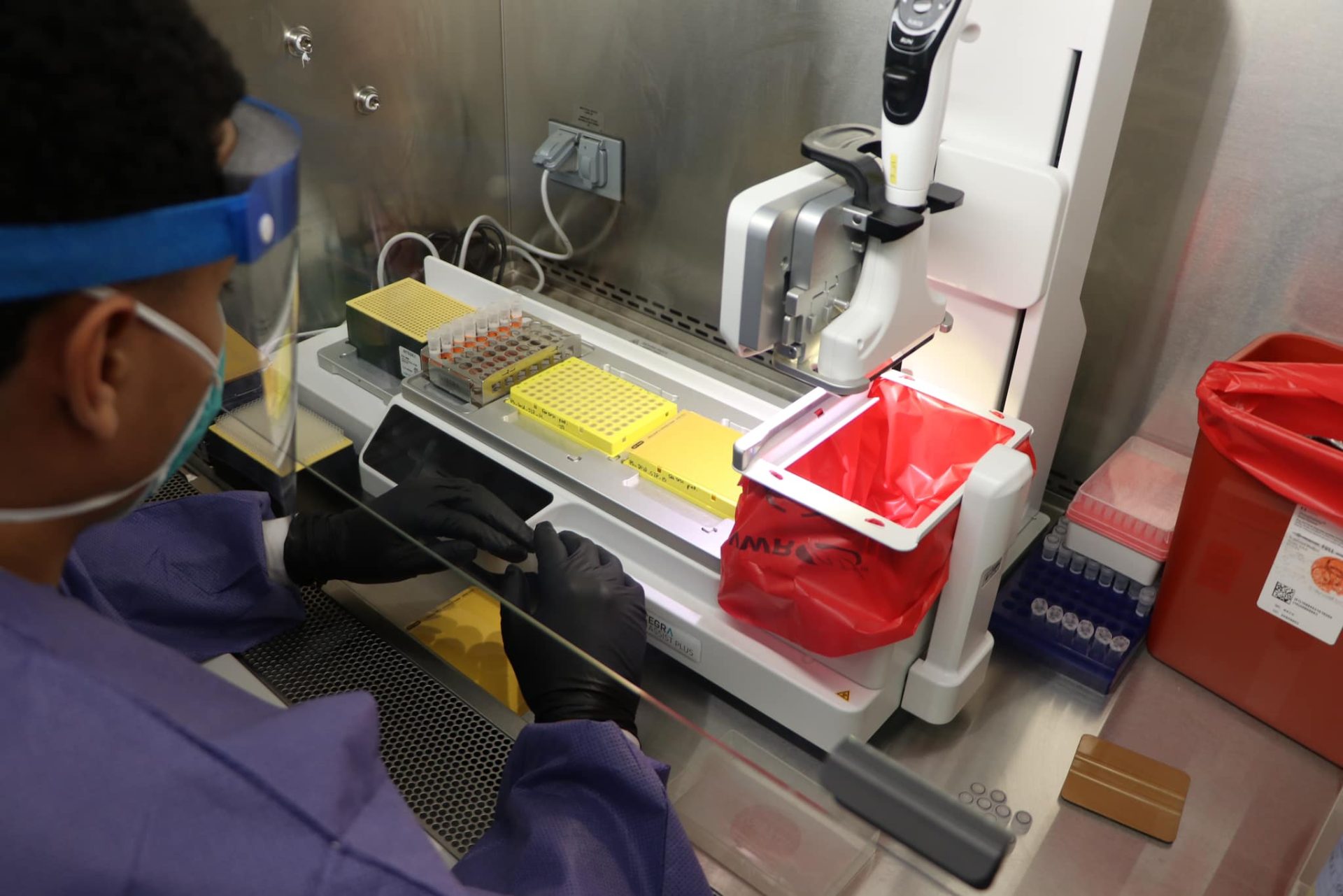
Army turning to AI in its fight against biological threats
The British Army is integrating artificial intelligence to enhance its capabilities in detecting and responding to biological threats.
The story
in brief.
What happened, who it affects, and why it landed on our intelligence desk — in plain English, sixty seconds or less.
The British Army is integrating artificial intelligence to enhance its capabilities in detecting and responding to biological threats. This strategic shift aims to improve surveillance, accelerate threat identification, and support rapid decision-making in defence scenarios. By leveraging advanced algorithms, the military seeks to address the complexities of modern biosecurity challenges more effectively than traditional methods allow. This development underscores the growing intersection between military defence strategies and cutting-edge technological solutions, highlighting a significant evolution in how national security forces approach non-traditional warfare and public health emergencies within a defence context.
Indicative index of skill mentions in professional job postings for the field this story moves (2019 = 1)
What this means
for your career.
Every headline redistributes opportunity. Here is who this one rewards — and how to be on the right side of it.
You must recognise that AI’s role in national security is expanding beyond cyber domains into biological defence. This shift elevates the value of skills in data analysis, algorithmic ethics, and biosecurity risk assessment. Professionals in defence, public health, and technology sectors should pay close attention. To stay competitive, you should upskill in interpreting complex data sets and understanding regulatory frameworks for AI in sensitive environments. Consider courses that bridge technical AI knowledge with strategic risk management. Engaging with interdisciplinary teams will also be crucial. Proactively learning how AI models detect anomalies in biological data will position you as a vital asset in organisations prioritising robust, tech-driven security protocols and emergency response planning.
For this story, the fields that convert it into pay are AI in Cyber Security, Risk Management, Data Science and Public Administration — exactly the programmes matched below. The chart shows the indicative salary uplift certified professionals report in each of those fields; every one of them is a click away, from £79, finishing in as few as 20 days.
Indicative ranges from published continuing-education salary studies, by field — each field is a recommended course below
Enrol in these
to benefit.
These programmes position you for exactly this shift — online, self-paced, and finishing with a verifiable certificate you can share the day you pass.
 Best match
Certificate in AI in Cyber Security
 Recommended
Certificate in Risk Management
Recommended
Certificate in Data Science
 Recommended
Certificate in Public Administration
Launch pricing shown against standard certificate value. The fee you see today is the fee you lock in.
This briefing is based on reporting by DefenseScoop on 12 Oct, 22:08. Read the original coverage →
Read the news. Then outrun it.
Every LSBR programme is online, self-paced and from £79 — so a headline today can be your credential this month.
