
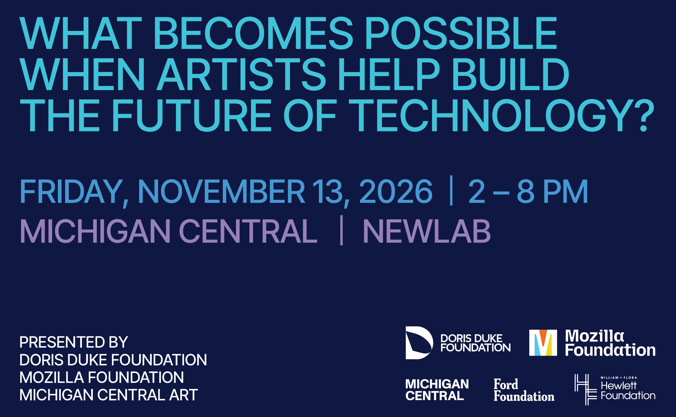
Artists Make Technology: Detroit Assembly
The Detroit Assembly initiative highlights a collaborative model where creative professionals and technologists co-develop hardware and software solutions.
The story
in brief.
What happened, who it affects, and why it landed on our intelligence desk — in plain English, sixty seconds or less.
The Detroit Assembly initiative highlights a collaborative model where creative professionals and technologists co-develop hardware and software solutions. This movement emphasises the integration of artistic vision with technical execution, challenging traditional silos between design and engineering sectors. Participants engage in hands-on workshops to prototype innovative products, fostering a culture of interdisciplinary problem-solving. The report underscores how merging aesthetic sensibility with functional technology can yield unique market advantages, reflecting a broader industry shift towards human-centred design and creative engineering partnerships.
Indicative index of skill mentions in professional job postings for the field this story moves (2019 = 1)
What this means
for your career.
Every headline redistributes opportunity. Here is who this one rewards — and how to be on the right side of it.
This trend signals a critical shift in the creative technology landscape. You must recognise that pure technical proficiency is no longer sufficient; the ability to collaborate across disciplinary boundaries is now paramount. Professionals who can bridge the gap between artistic intent and engineering constraints will see their market value rise significantly. You should pay close attention to emerging roles in product design and creative engineering. To stay ahead, you must actively develop skills in cross-functional communication and agile prototyping. Seek out opportunities to work on interdisciplinary projects that require both aesthetic judgement and technical rigour. By positioning yourself as a translator between artists and engineers, you become indispensable in an era where innovation demands holistic, human-centred solutions rather than isolated technical fixes.
For this story, the fields that convert it into pay are Innovation, AI in Manufacturing, Engineering and Project Management — exactly the programmes matched below. The chart shows the indicative salary uplift certified professionals report in each of those fields; every one of them is a click away, from £79, finishing in as few as 20 days.
Indicative ranges from published continuing-education salary studies, by field — each field is a recommended course below
Enrol in these
to benefit.
These programmes position you for exactly this shift — online, self-paced, and finishing with a verifiable certificate you can share the day you pass.
 Best match
Certificate in Innovation
 Recommended
Certificate in AI in Manufacturing
 Recommended
Certificate in Engineering
 Recommended
Certificate in Project Management
Launch pricing shown against standard certificate value. The fee you see today is the fee you lock in.
This briefing is based on reporting by Michigan Central on 22 Oct, 02:13. Read the original coverage →
Read the news. Then outrun it.
Every LSBR programme is online, self-paced and from £79 — so a headline today can be your credential this month.
