
Banking records reveal characteristics of financial abuse
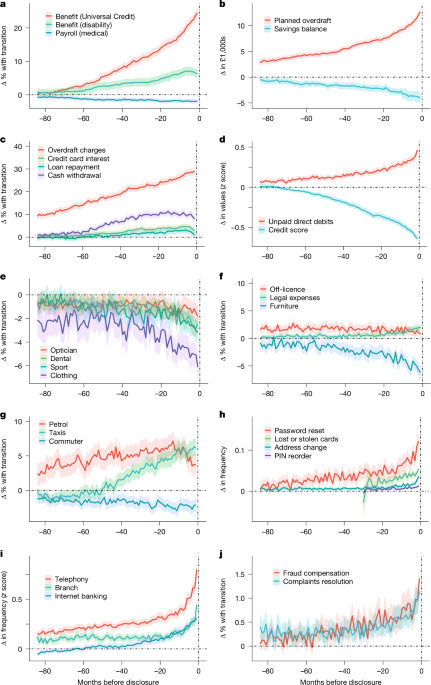
Recent research published in Nature analyses banking records to identify distinct patterns associated with financial abuse.
The story
in brief.
What happened, who it affects, and why it landed on our intelligence desk — in plain English, sixty seconds or less.
Recent research published in Nature analyses banking records to identify distinct patterns associated with financial abuse. The study highlights how transaction data can reveal coercive control mechanisms, offering new insights into victim behaviour and perpetrator tactics. This evidence-based approach moves beyond anecdotal accounts, providing concrete metrics for detection. For professionals, it underscores the growing intersection of financial data analysis and social safeguarding, suggesting that traditional banking metrics alone may miss critical signs of exploitation without contextual behavioural understanding.
Indicative index of skill mentions in professional job postings for the field this story moves (2019 = 1)
What this means
for your career.
Every headline redistributes opportunity. Here is who this one rewards — and how to be on the right side of it.
This development signals a critical shift in how organisations handle customer data and safeguarding. You must recognise that technical skills in data analysis are increasingly valuable when applied to ethical and social contexts. Professionals in banking, compliance, and risk management should pay close attention, as regulatory pressures to detect abuse will intensify. To stay ahead, you should upskill in recognising subtle data anomalies linked to human behaviour. Consider courses that blend quantitative analysis with psychological insights. This positions you not just as a technical expert, but as a strategic safeguarder, capable of protecting vulnerable clients while maintaining operational integrity. Proactive learning in these areas will distinguish your career in an era demanding greater corporate responsibility and ethical vigilance.
For this story, the fields that convert it into pay are AI in Banking, Risk Management, Data Science and Psychology — exactly the programmes matched below. The chart shows the indicative salary uplift certified professionals report in each of those fields; every one of them is a click away, from £79, finishing in as few as 20 days.
Indicative ranges from published continuing-education salary studies, by field — each field is a recommended course below
Enrol in these
to benefit.
These programmes position you for exactly this shift — online, self-paced, and finishing with a verifiable certificate you can share the day you pass.
 Best match
Certificate in AI in Banking
 Recommended
Certificate in Risk Management
Recommended
Certificate in Data Science
 Recommended
Certificate in Psychology
Launch pricing shown against standard certificate value. The fee you see today is the fee you lock in.
This briefing is based on reporting by Nature on 23 Sep, 19:18. Read the original coverage →
Read the news. Then outrun it.
Every LSBR programme is online, self-paced and from £79 — so a headline today can be your credential this month.
