
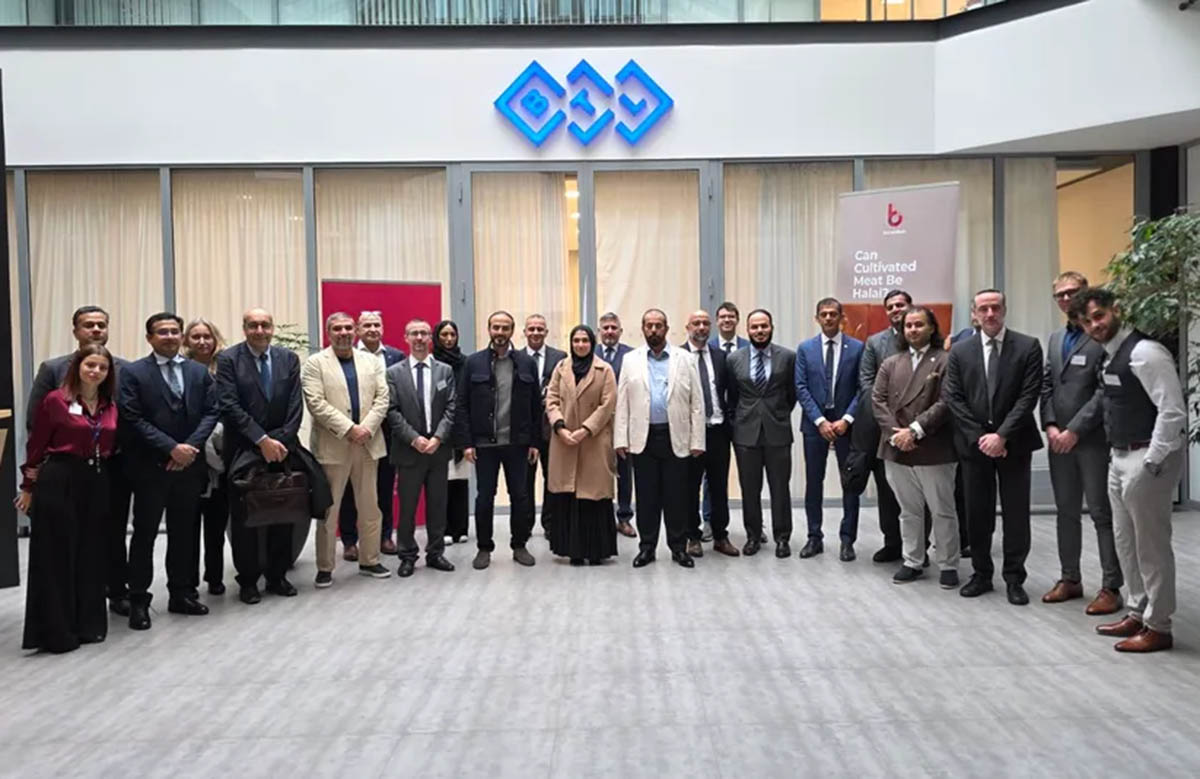
BeneMeat hosts UAE delegation for cultivated meat and food security talks
BeneMeat recently hosted a UAE delegation to discuss cultivated meat technologies and their role in enhancing regional food security.
The story
in brief.
What happened, who it affects, and why it landed on our intelligence desk — in plain English, sixty seconds or less.
BeneMeat recently hosted a UAE delegation to discuss cultivated meat technologies and their role in enhancing regional food security. The meeting highlights growing international interest in alternative protein solutions as a strategic response to global supply chain vulnerabilities. Discussions focused on technological advancements, regulatory frameworks, and potential commercial partnerships. This engagement signals a shift towards collaborative efforts between biotechnology firms and government entities in the Gulf region. For professionals, it underscores the increasing importance of sustainable food systems in diplomatic and economic agendas. The dialogue aims to accelerate the adoption of lab-grown meat, positioning the UAE as a potential hub for innovation in this emerging sector.
Indicative index of skill mentions in professional job postings for the field this story moves (2019 = 1)
What this means
for your career.
Every headline redistributes opportunity. Here is who this one rewards — and how to be on the right side of it.
You should view this development as a clear signal that alternative proteins are moving from niche science to mainstream strategic policy. Careers in biotechnology, regulatory affairs, and sustainable supply chains are gaining significant traction. If you work in food science or agri-tech, you must now understand the geopolitical and regulatory landscape of the Middle East. Professionals in business development should explore partnerships with Gulf-based entities seeking food security solutions. To stay ahead, upskill in regulatory compliance for novel foods and cross-cultural negotiation. You need to bridge technical expertise with strategic policy understanding. Ignoring this shift risks obsolescence in the evolving food industry. Act now by networking with industry bodies focused on cultivated meat and studying international trade regulations specific to bio-manufacturing sectors.
For this story, the fields that convert it into pay are Supply Chain, Business and Management, Innovation and Engineering — exactly the programmes matched below. The chart shows the indicative salary uplift certified professionals report in each of those fields; every one of them is a click away, from £79, finishing in as few as 20 days.
Indicative ranges from published continuing-education salary studies, by field — each field is a recommended course below
Enrol in these
to benefit.
These programmes position you for exactly this shift — online, self-paced, and finishing with a verifiable certificate you can share the day you pass.
 Best match
Certificate in Supply Chain
 Recommended
Certificate in Business and Management
 Recommended
Certificate in Innovation
 Recommended
Certificate in Engineering
Launch pricing shown against standard certificate value. The fee you see today is the fee you lock in.
This briefing is based on reporting by Protein Production Technology International on 5 Nov, 08:00. Read the original coverage →
Read the news. Then outrun it.
Every LSBR programme is online, self-paced and from £79 — so a headline today can be your credential this month.
