
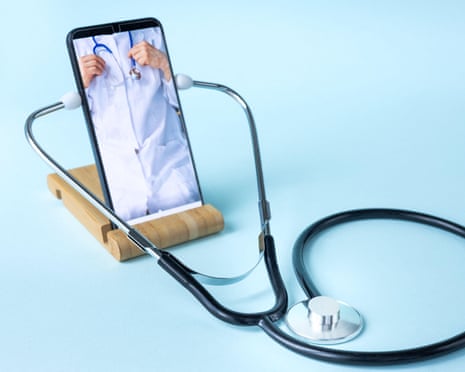
Can AI really predict cancer survival better than a doctor? I have my doubts | Devi Sridhar
Professor Devi Sridhar questions whether artificial intelligence can genuinely outperform human doctors in predicting cancer survival rates.
The story
in brief.
What happened, who it affects, and why it landed on our intelligence desk — in plain English, sixty seconds or less.
Professor Devi Sridhar questions whether artificial intelligence can genuinely outperform human doctors in predicting cancer survival rates. While media narratives often celebrate AI’s diagnostic superiority, this commentary highlights significant limitations and potential biases in current algorithms. The piece urges a more nuanced view of AI as a supportive tool rather than a replacement for clinical expertise. It challenges the hype surrounding automated predictions, emphasising that patient care requires human judgment, ethical consideration, and contextual understanding that machines currently lack. Professionals should view these claims critically.
Indicative index of skill mentions in professional job postings for the field this story moves (2019 = 1)
What this means
for your career.
Every headline redistributes opportunity. Here is who this one rewards — and how to be on the right side of it.
You must critically evaluate AI tools rather than accepting their outputs as infallible. This debate elevates the value of clinical judgment, ethical reasoning, and data literacy in healthcare roles. If you work in health technology or policy, you need to understand the limitations of predictive models to avoid over-reliance. Develop skills in interpreting algorithmic bias and communicating AI constraints to stakeholders. For clinicians, reinforce your diagnostic expertise while learning to collaborate effectively with digital tools. For technologists, focus on building transparent, auditable systems. Smart professionals will bridge the gap between technical capability and practical application, ensuring AI enhances rather than replaces human decision-making in critical care scenarios.
For this story, the fields that convert it into pay are AI in Healthcare, Data Science, Healthcare Management and Risk Management — exactly the programmes matched below. The chart shows the indicative salary uplift certified professionals report in each of those fields; every one of them is a click away, from £79, finishing in as few as 20 days.
Indicative ranges from published continuing-education salary studies, by field — each field is a recommended course below
Enrol in these
to benefit.
These programmes position you for exactly this shift — online, self-paced, and finishing with a verifiable certificate you can share the day you pass.
 Best match
Certificate in AI in Healthcare
 Recommended
Certificate in Data Science
 Recommended
Certificate in Healthcare Management
Recommended
Certificate in Risk Management
Launch pricing shown against standard certificate value. The fee you see today is the fee you lock in.
This briefing is based on reporting by The Guardian on 23 Oct, 07:01. Read the original coverage →
Read the news. Then outrun it.
Every LSBR programme is online, self-paced and from £79 — so a headline today can be your credential this month.
