
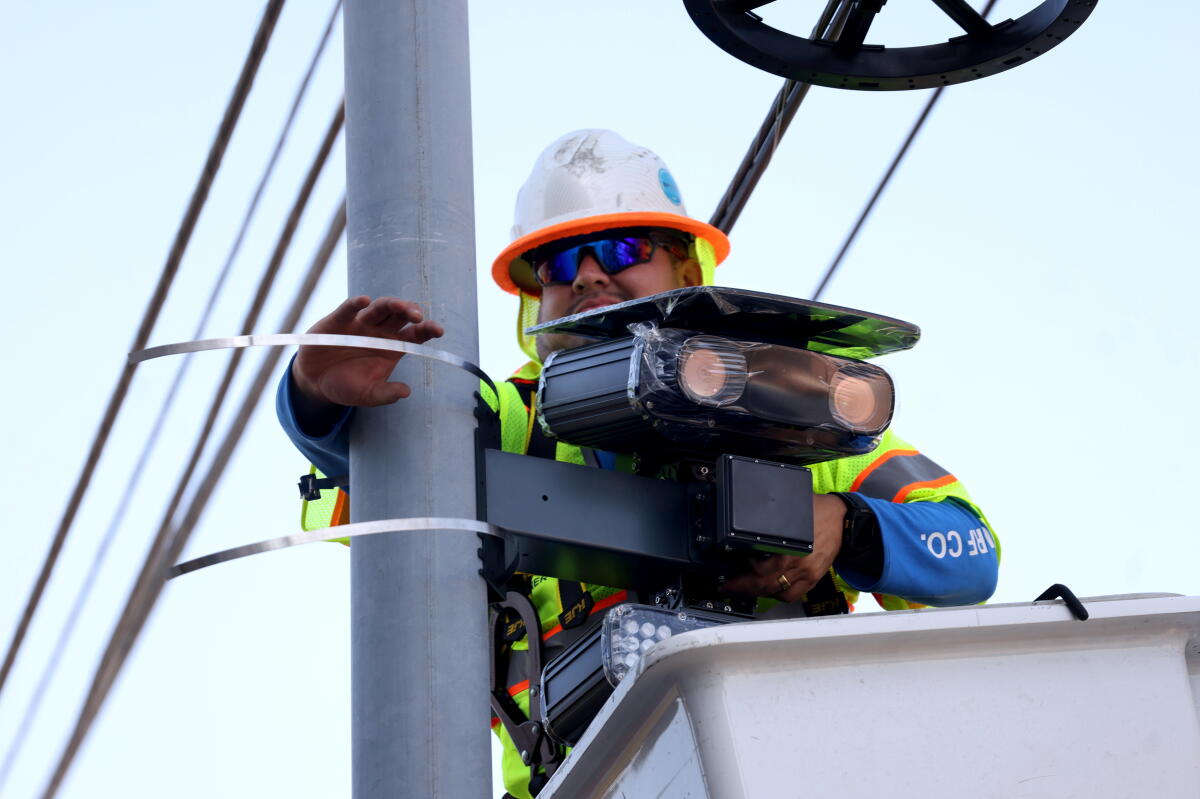
Can technology curb our love of speeding? The stunning results of a test in Malibu
A recent pilot programme in Malibu examines whether advanced vehicle technology can effectively reduce speeding behaviour among drivers.
The story
in brief.
What happened, who it affects, and why it landed on our intelligence desk — in plain English, sixty seconds or less.
A recent pilot programme in Malibu examines whether advanced vehicle technology can effectively reduce speeding behaviour among drivers. The Los Angeles Times reports on the trial’s outcomes, suggesting that intelligent speed assistance systems may significantly lower average speeds. The study highlights the potential for automated interventions to modify long-standing human habits behind the wheel. This development underscores the growing intersection of automotive engineering, behavioural psychology, and public safety policy. Professionals in transport and technology sectors are observing these results closely to understand how software-defined vehicles might reshape road safety standards and driver engagement in the near future.
Indicative index of skill mentions in professional job postings for the field this story moves (2019 = 1)
What this means
for your career.
Every headline redistributes opportunity. Here is who this one rewards — and how to be on the right side of it.
This development signals a shift towards software-defined safety protocols in the automotive sector. You should anticipate increased demand for skills bridging engineering and behavioural science. Professionals in product management must now consider ethical implications of automated enforcement. Data analysts will be crucial for interpreting driver response metrics. If you work in mobility, update your knowledge on regulatory frameworks surrounding autonomous features. Smart professionals will invest in understanding human-computer interaction to design systems that encourage compliance rather than resentment. Focus on learning how to integrate safety algorithms with user experience design. This is not just about cars; it is about designing systems that subtly guide human behaviour. Prioritise courses that blend technical proficiency with psychological insight to remain relevant in this evolving landscape.
For this story, the fields that convert it into pay are AI in Automotive, Data Science, Occupational Health and Safety and Psychology — exactly the programmes matched below. The chart shows the indicative salary uplift certified professionals report in each of those fields; every one of them is a click away, from £79, finishing in as few as 20 days.
Indicative ranges from published continuing-education salary studies, by field — each field is a recommended course below
Enrol in these
to benefit.
These programmes position you for exactly this shift — online, self-paced, and finishing with a verifiable certificate you can share the day you pass.
 Best match
Certificate in AI in Automotive
 Recommended
Certificate in Data Science
 Recommended
Certificate in Occupational Health and Safety
 Recommended
Certificate in Psychology
Launch pricing shown against standard certificate value. The fee you see today is the fee you lock in.
This briefing is based on reporting by Los Angeles Times on 9 Oct, 13:30. Read the original coverage →
Read the news. Then outrun it.
Every LSBR programme is online, self-paced and from £79 — so a headline today can be your credential this month.
