
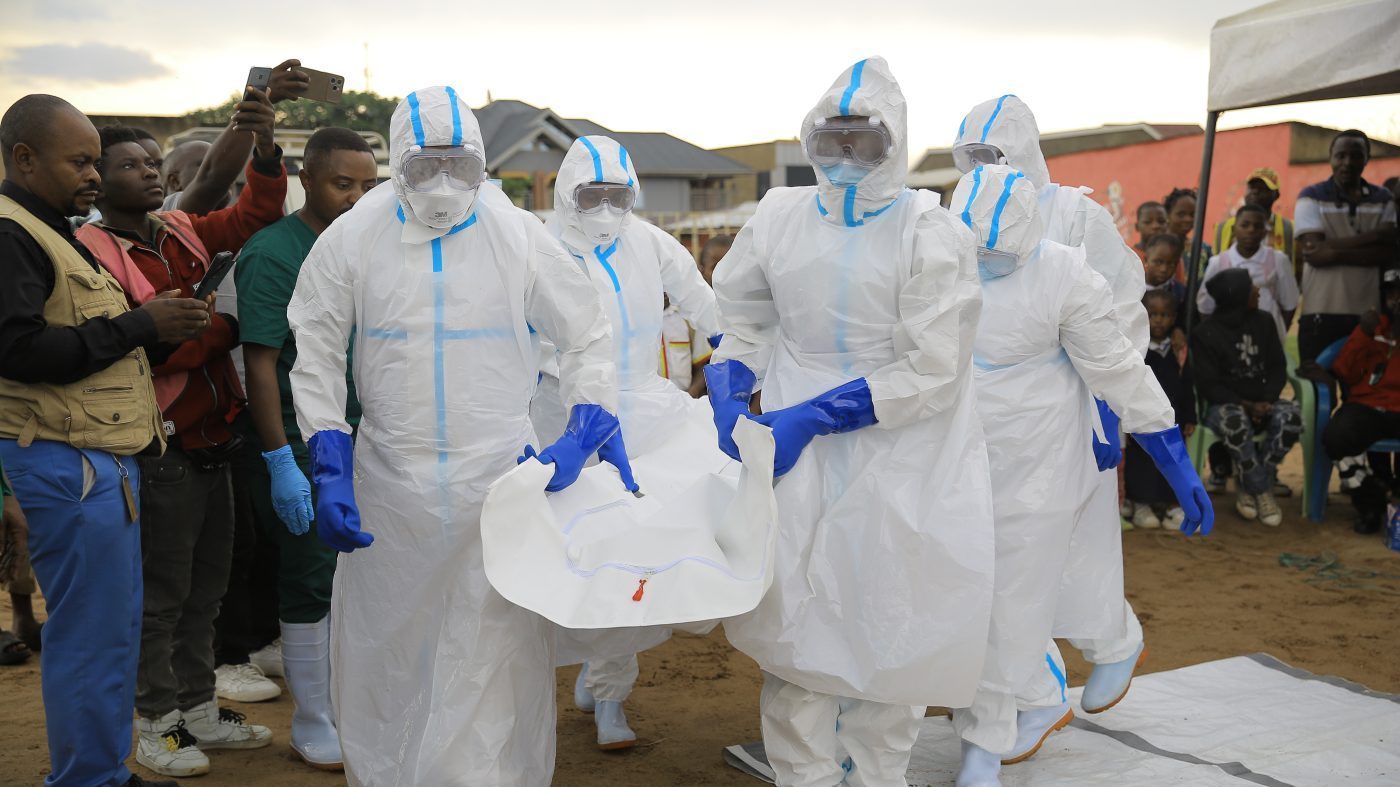
CDC pushes Ebola requirements for international passengers traveling to US
The US Centers for Disease Control and Prevention has implemented stricter health requirements for international passengers arriving in the United States to mitigate Ebola risks.
The story
in brief.
What happened, who it affects, and why it landed on our intelligence desk — in plain English, sixty seconds or less.
The US Centers for Disease Control and Prevention has implemented stricter health requirements for international passengers arriving in the United States to mitigate Ebola risks. This policy shift mandates enhanced screening and potential for future health mandates signals increased regulatory complexity for global travel and logistics. Professionals in international trade, healthcare administration, and corporate travel must now navigate heightened compliance standards. The move underscores the persistent vulnerability of global supply chains to public health crises, requiring organisations to adapt their operational protocols swiftly. Understanding these regulatory changes is crucial for maintaining seamless cross-border movement and risk mitigation.
Indicative index of skill mentions in professional job postings for the field this story moves (2019 = 1)
What this means
for your career.
Every headline redistributes opportunity. Here is who this one rewards — and how to be on the right side of it.
You must now prioritise regulatory compliance and crisis management skills. This development elevates the value of expertise in global health policy, logistics, and risk assessment. If you work in travel, supply chain, or corporate HR, you need to update your protocols immediately. Smart professionals will upskill in occupational health and safety to navigate these new barriers. You should also deepen your knowledge of international law to advise your organisation on compliance. Ignoring these shifts could jeopardise your career in global roles. Focus on building resilience in your operational strategies. By mastering these areas, you position yourself as a critical asset capable of protecting your business from future health-related disruptions and regulatory changes.
For this story, the fields that convert it into pay are Risk Management, Occupational Health and Safety, Healthcare Management and Supply Chain — exactly the programmes matched below. The chart shows the indicative salary uplift certified professionals report in each of those fields; every one of them is a click away, from £79, finishing in as few as 20 days.
Indicative ranges from published continuing-education salary studies, by field — each field is a recommended course below
Enrol in these
to benefit.
These programmes position you for exactly this shift — online, self-paced, and finishing with a verifiable certificate you can share the day you pass.
 Best match
Certificate in Risk Management
 Recommended
Certificate in Occupational Health and Safety
 Recommended
Certificate in Healthcare Management
 Recommended
Certificate in Supply Chain
Launch pricing shown against standard certificate value. The fee you see today is the fee you lock in.
This briefing is based on reporting by The Hill on 22 Oct, 21:47. Read the original coverage →
Read the news. Then outrun it.
Every LSBR programme is online, self-paced and from £79 — so a headline today can be your credential this month.
