
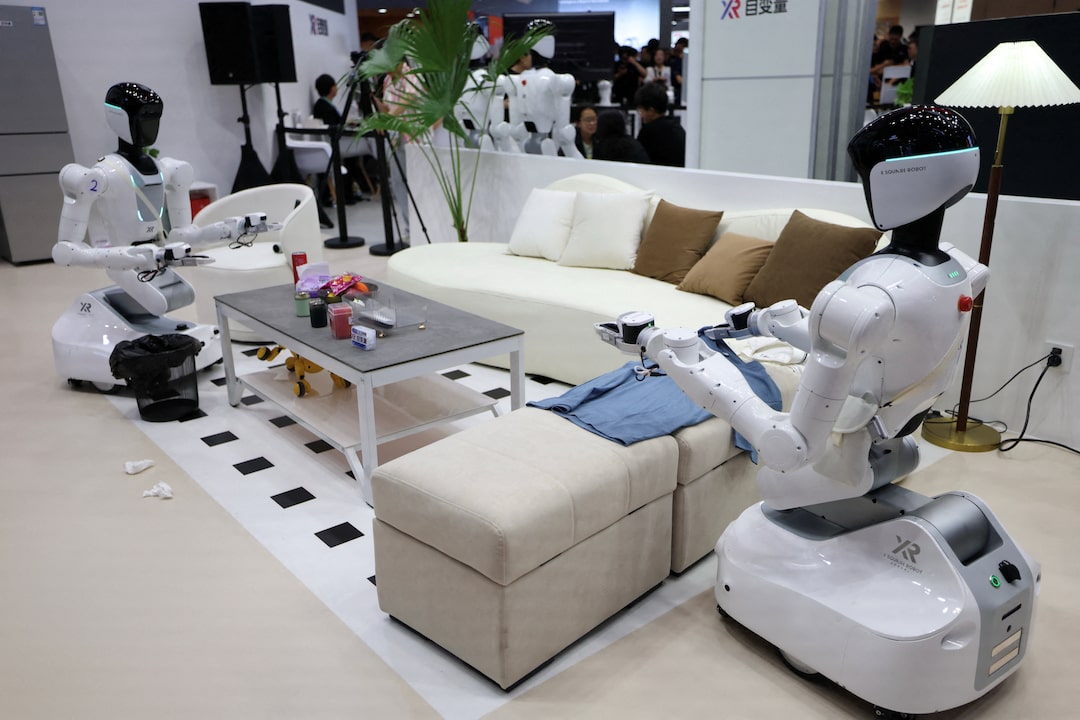
China's robot makers have mastered the moves. Now comes the race for brains
Chinese robotics manufacturers have significantly advanced the physical capabilities of their machines, mastering complex movements with greater precision and reliability.
The story
in brief.
What happened, who it affects, and why it landed on our intelligence desk — in plain English, sixty seconds or less.
Chinese robotics manufacturers have significantly advanced the physical capabilities of their machines, mastering complex movements with greater precision and reliability. The industry focus is now shifting from hardware engineering to developing sophisticated artificial intelligence and cognitive systems. This transition marks a critical phase where the competitive edge depends less on mechanical execution and more on intelligent decision-making algorithms. Professionals should note that the next wave of innovation will prioritise software integration, machine learning, and autonomous reasoning over traditional mechanical design improvements.
Indicative index of skill mentions in professional job postings for the field this story moves (2019 = 1)
What this means
for your career.
Every headline redistributes opportunity. Here is who this one rewards — and how to be on the right side of it.
As robotics shifts from physical dexterity to cognitive intelligence, your career strategy must pivot accordingly. Technical roles in software engineering and algorithm design will see heightened demand, while traditional manufacturing jobs face increased automation pressure. You should prioritise upskilling in artificial intelligence and data analytics to remain relevant. If you lead teams, focus on change management and strategic integration of AI tools. Smart professionals will immediately audit their skill sets, identifying gaps in computational thinking or AI literacy. Invest in courses that bridge the gap between hardware operations and intelligent software systems. Proactively seek projects involving automation logic or predictive analytics. By aligning your expertise with the cognitive layer of robotics, you position yourself as indispensable in an increasingly automated workforce, ensuring long-term career resilience against displacement.
For this story, the fields that convert it into pay are Artificial Intelligence, Engineering, AI in Manufacturing and Data Science — exactly the programmes matched below. The chart shows the indicative salary uplift certified professionals report in each of those fields; every one of them is a click away, from £79, finishing in as few as 20 days.
Indicative ranges from published continuing-education salary studies, by field — each field is a recommended course below
Enrol in these
to benefit.
These programmes position you for exactly this shift — online, self-paced, and finishing with a verifiable certificate you can share the day you pass.
 Best match
Certificate in Artificial Intelligence
 Recommended
Certificate in Engineering
 Recommended
Certificate in AI in Manufacturing
 Recommended
Certificate in Data Science
Launch pricing shown against standard certificate value. The fee you see today is the fee you lock in.
This briefing is based on reporting by Reuters on 1 Nov, 23:24. Read the original coverage →
Read the news. Then outrun it.
Every LSBR programme is online, self-paced and from £79 — so a headline today can be your credential this month.
