
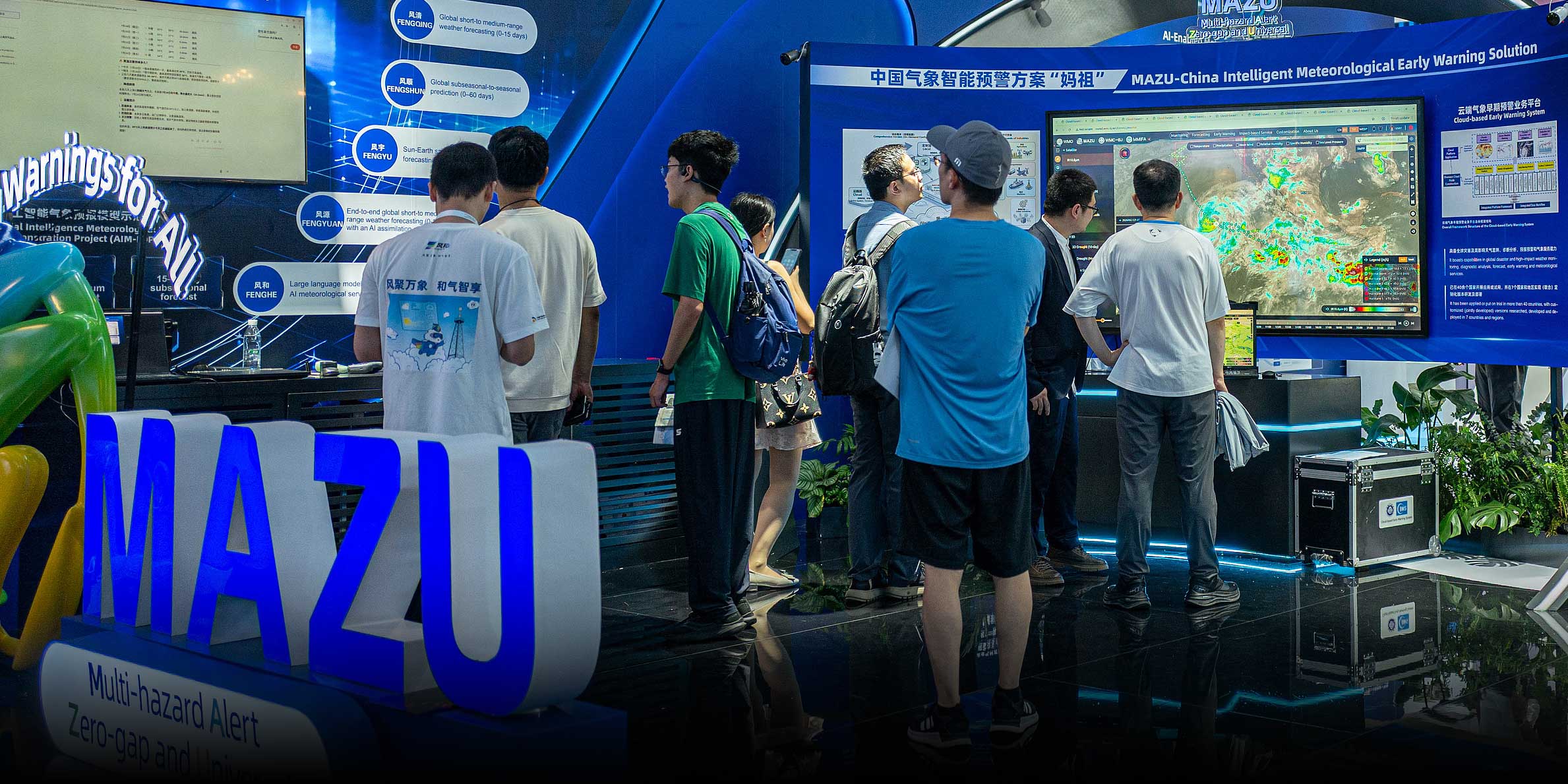
China’s Sea Goddess Has a New Job: AI Weather Forecasting
China’s traditional sea goddess, Mazu, is reportedly being integrated into advanced AI weather forecasting systems.
The story
in brief.
What happened, who it affects, and why it landed on our intelligence desk — in plain English, sixty seconds or less.
China’s traditional sea goddess, Mazu, is reportedly being integrated into advanced AI weather forecasting systems. This development highlights a unique convergence of cultural heritage and modern meteorological technology. By leveraging historical data associated with Mazu’s worship sites, developers aim to enhance predictive accuracy for coastal weather patterns. The initiative demonstrates how local knowledge and symbolic cultural elements can inform sophisticated algorithmic models. For professionals, this underscores the expanding scope of data sources in artificial intelligence applications. It suggests that non-traditional datasets, including cultural and historical records, may hold significant value for improving predictive analytics in specific regional contexts, particularly within environmental monitoring and disaster preparedness sectors.
Indicative index of skill mentions in professional job postings for the field this story moves (2019 = 1)
What this means
for your career.
Every headline redistributes opportunity. Here is who this one rewards — and how to be on the right side of it.
This development signals that domain expertise is becoming increasingly valuable when combined with technical skills. You should recognise that AI models are no longer solely built on standard digital datasets; cultural, historical, and localised data now play a crucial role. Professionals in meteorology, data science, and cultural heritage must collaborate more closely. If you work in tech, consider how non-traditional data sources can refine your algorithms. For those in environmental sectors, understanding these hybrid approaches is essential for accurate forecasting. Smart professionals will upskill in data integration and cross-disciplinary collaboration. You must learn to bridge the gap between technical AI development and niche domain knowledge. This shift demands adaptability and a broader perspective on what constitutes valuable training data for machine learning systems.
For this story, the fields that convert it into pay are Artificial Intelligence, Data Science, AI Strategy and Business and Management — exactly the programmes matched below. The chart shows the indicative salary uplift certified professionals report in each of those fields; every one of them is a click away, from £79, finishing in as few as 20 days.
Indicative ranges from published continuing-education salary studies, by field — each field is a recommended course below
Enrol in these
to benefit.
These programmes position you for exactly this shift — online, self-paced, and finishing with a verifiable certificate you can share the day you pass.
 Best match
Certificate in Artificial Intelligence
 Recommended
Certificate in Data Science
 Recommended
Certificate in AI Strategy
 Recommended
Certificate in Business and Management
Launch pricing shown against standard certificate value. The fee you see today is the fee you lock in.
This briefing is based on reporting by Sixth Tone on 6 Nov, 07:28. Read the original coverage →
Read the news. Then outrun it.
Every LSBR programme is online, self-paced and from £79 — so a headline today can be your credential this month.
