
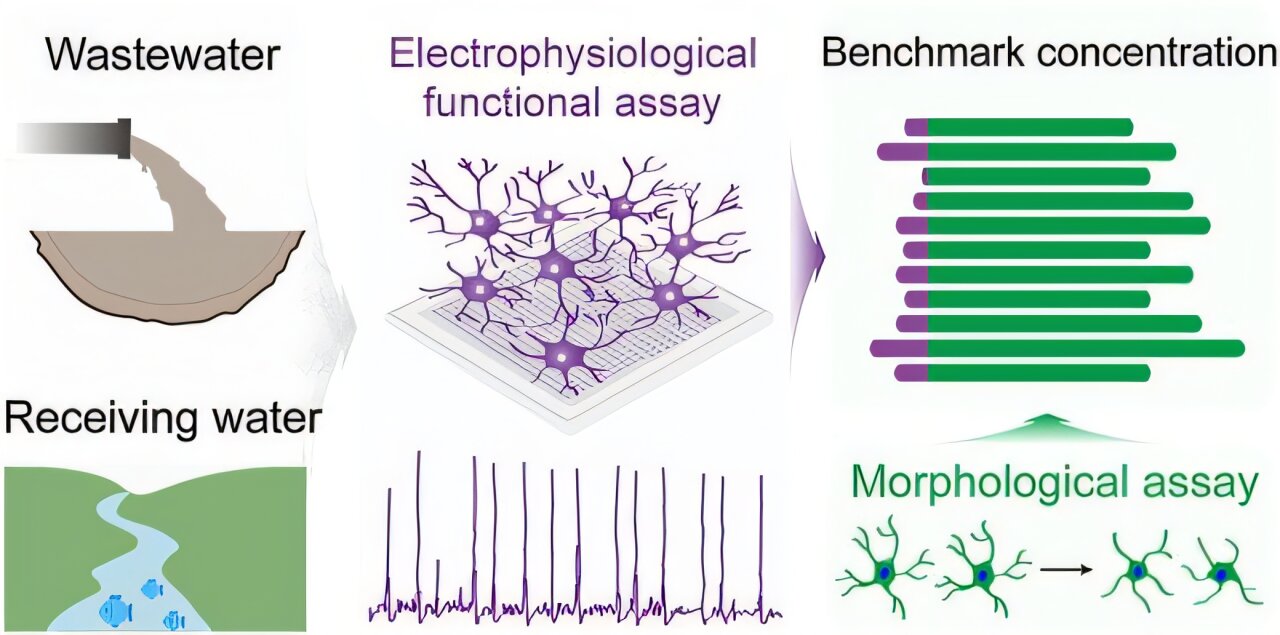
Clean water, hidden risks: New technology reveals neurotoxicity missed by conventional water quality monitoring
Recent research published via Phys.org highlights that conventional water quality monitoring often fails to detect neurotoxic compounds, posing hidden health risks despite clean water appearances.
The story
in brief.
What happened, who it affects, and why it landed on our intelligence desk — in plain English, sixty seconds or less.
Recent research published via Phys.org highlights that conventional water quality monitoring often fails to detect neurotoxic compounds, posing hidden health risks despite clean water appearances. New technological advancements are now revealing these previously invisible contaminants. This development challenges traditional assessment methods, suggesting that current regulatory standards may be insufficient for comprehensive safety. Professionals in environmental sectors must recognise that established protocols require urgent review and integration of advanced detection capabilities to address these emerging, subtle threats effectively.
Indicative index of skill mentions in professional job postings for the field this story moves (2019 = 1)
What this means
for your career.
Every headline redistributes opportunity. Here is who this one rewards — and how to be on the right side of it.
This shift demands that you prioritise technical proficiency in advanced analytical methods over routine compliance checks. Specialists in environmental engineering and data analysis will see increased demand as organisations seek to implement these novel detection systems. You should focus on mastering predictive modelling and sensor technology integration to interpret complex toxicological data. Professionals in public health and regulatory affairs must also adapt, learning to navigate evolving safety standards. To stay competitive, enrol in courses covering emerging environmental technologies and data-driven risk assessment. Proactively updating your skill set ensures you can lead the transition toward more rigorous, technology-enhanced water safety protocols in your organisation.
For this story, the fields that convert it into pay are Engineering, Risk Management, Data Science and Occupational Health and Safety — exactly the programmes matched below. The chart shows the indicative salary uplift certified professionals report in each of those fields; every one of them is a click away, from £79, finishing in as few as 20 days.
Indicative ranges from published continuing-education salary studies, by field — each field is a recommended course below
Enrol in these
to benefit.
These programmes position you for exactly this shift — online, self-paced, and finishing with a verifiable certificate you can share the day you pass.
 Best match
Certificate in Engineering
 Recommended
Certificate in Risk Management
Recommended
Certificate in Data Science
 Recommended
Certificate in Occupational Health and Safety
Launch pricing shown against standard certificate value. The fee you see today is the fee you lock in.
This briefing is based on reporting by Phys.org on 11 Nov, 23:40. Read the original coverage →
Read the news. Then outrun it.
Every LSBR programme is online, self-paced and from £79 — so a headline today can be your credential this month.
