
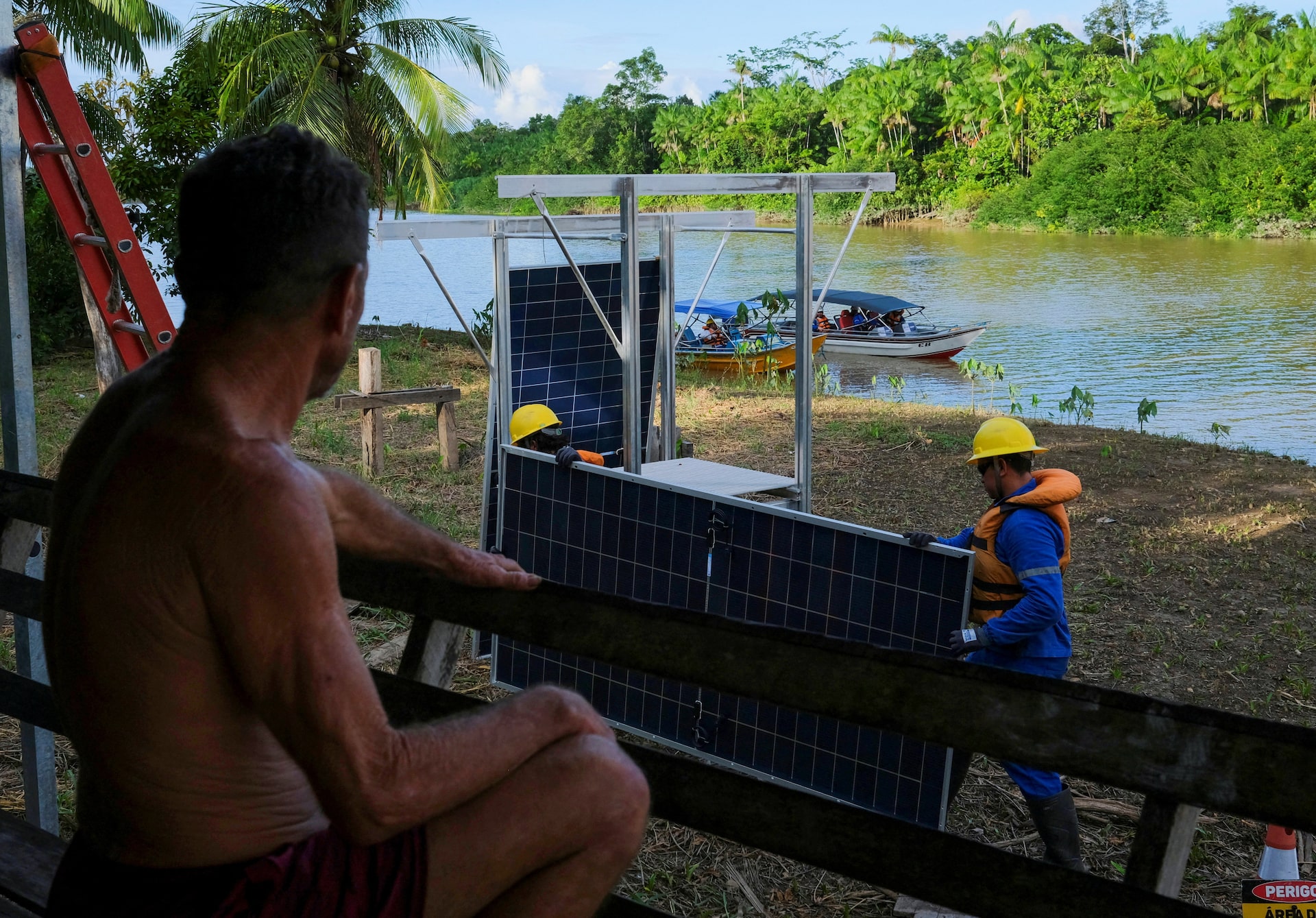
COMMENTARY: Grids, finance and jobs: Three tests for COP31’s clean energy promise
This Reuters commentary examines three critical tests for COP31’s clean energy agenda: grid infrastructure, financial mechanisms, and job creation.
The story
in brief.
What happened, who it affects, and why it landed on our intelligence desk — in plain English, sixty seconds or less.
This Reuters commentary examines three critical tests for COP31’s clean energy agenda: grid infrastructure, financial mechanisms, and job creation. It argues that successful decarbonisation depends on robust power grids, viable funding models, and tangible employment opportunities. The piece suggests that without addressing these interconnected challenges, international climate commitments may remain aspirational. Professionals in energy, finance, and policy must monitor these developments closely, as they signal where investment and regulatory focus will intensify. The analysis highlights the practical hurdles of transitioning to renewable systems, moving beyond diplomatic rhetoric to assess real-world implementation barriers and economic implications for the global energy sector.
Indicative index of skill mentions in professional job postings for the field this story moves (2019 = 1)
What this means
for your career.
Every headline redistributes opportunity. Here is who this one rewards — and how to be on the right side of it.
The convergence of grid infrastructure, finance, and employment at COP31 signals a shift from theoretical climate goals to practical execution. Professionals in energy, finance, and policy must prioritise skills in regulatory compliance, sustainable investment analysis, and project delivery. If you work in corporate strategy or operations, focus on understanding grid modernisation challenges and green financing instruments. Upskill in carbon accounting and sustainable supply chain management to remain relevant. Monitor regulatory changes closely, as compliance requirements will tighten. Networking with peers in renewable energy and infrastructure development will provide crucial insights into emerging opportunities. Prioritise certifications in sustainability reporting and green finance to demonstrate expertise. This transition rewards those who can bridge technical energy constraints with financial viability and workforce planning.
For this story, the fields that convert it into pay are Finance, Engineering, Project Management and Risk Management — exactly the programmes matched below. The chart shows the indicative salary uplift certified professionals report in each of those fields; every one of them is a click away, from £79, finishing in as few as 20 days.
Indicative ranges from published continuing-education salary studies, by field — each field is a recommended course below
Enrol in these
to benefit.
These programmes position you for exactly this shift — online, self-paced, and finishing with a verifiable certificate you can share the day you pass.
 Best match
Certificate in Finance
 Recommended
Certificate in Engineering
Recommended
Certificate in Project Management
Recommended
Certificate in Risk Management
Launch pricing shown against standard certificate value. The fee you see today is the fee you lock in.
This briefing is based on reporting by Reuters on 9 Nov, 16:14. Read the original coverage →
Read the news. Then outrun it.
Every LSBR programme is online, self-paced and from £79 — so a headline today can be your credential this month.
