
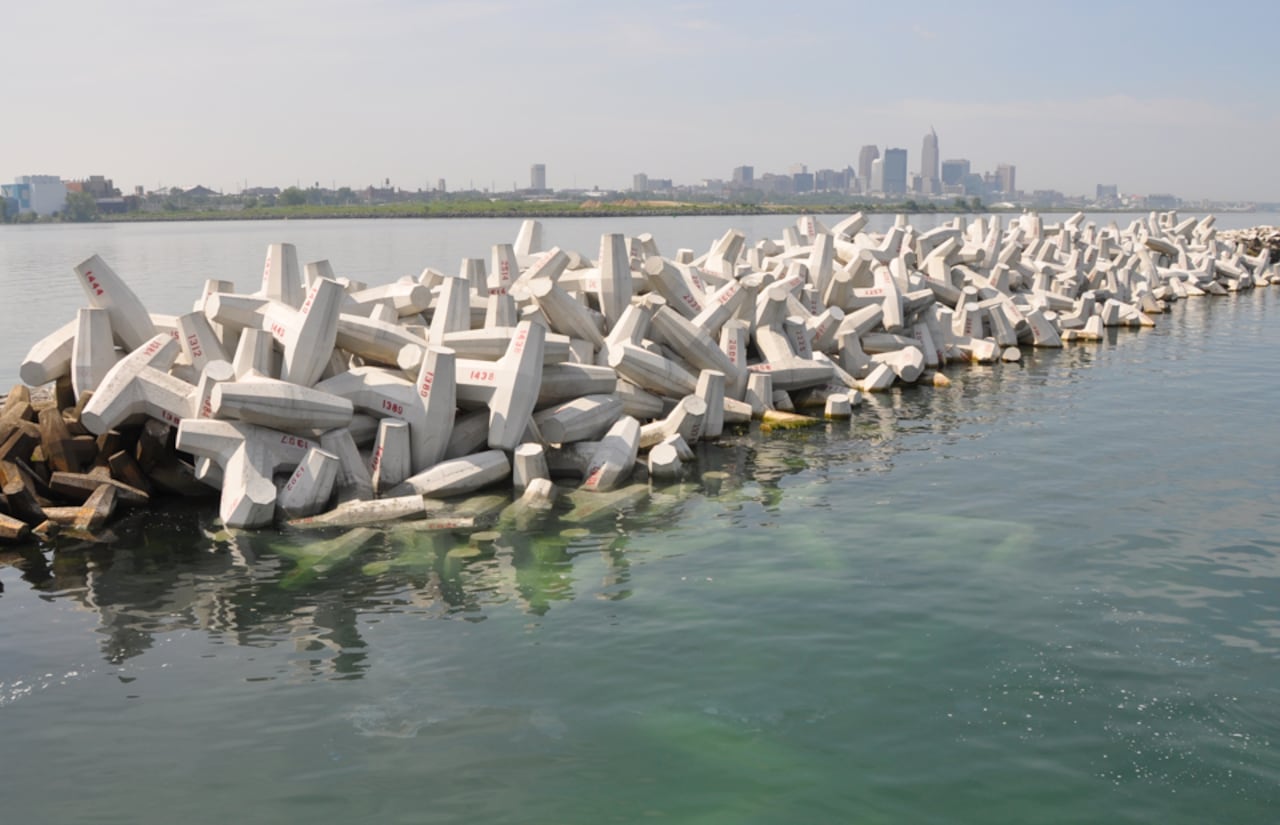
Concrete ‘jacks’ are the cool technology protecting Cleveland Harbor. How are they holding up?
Cleveland.com reports on the deployment of innovative concrete structures, colloquially termed ‘jacks’, designed to safeguard Cleveland Harbor from erosion and storm damage.
The story
in brief.
What happened, who it affects, and why it landed on our intelligence desk — in plain English, sixty seconds or less.
Cleveland.com reports on the deployment of innovative concrete structures, colloquially termed ‘jacks’, designed to safeguard Cleveland Harbor from erosion and storm damage. These engineering solutions utilise advanced materials and construction techniques to reinforce the shoreline effectively. The article examines their current structural integrity and long-term performance under harsh environmental conditions. For professionals, this highlights a practical application of civil engineering innovations in coastal infrastructure protection, demonstrating how modern materials science addresses critical urban resilience challenges in major port cities across the Great Lakes region.
Indicative index of skill mentions in professional job postings for the field this story moves (2019 = 1)
What this means
for your career.
Every headline redistributes opportunity. Here is who this one rewards — and how to be on the right side of it.
This development signals a growing demand for expertise in sustainable infrastructure and coastal engineering. As climate resilience becomes a priority, professionals with skills in materials science and civil engineering will see increased value. You should pay attention if you work in construction, urban planning, or environmental management. A smart professional would upskill in project management for infrastructure upgrades and risk assessment methodologies. Consider exploring courses in Engineering and Risk Management to stay competitive. Understanding how to evaluate long-term structural performance and implement innovative protective measures will differentiate you in the job market. Focus on practical applications of new technologies in your current role to demonstrate adaptability and forward-thinking leadership in infrastructure projects.
For this story, the fields that convert it into pay are Engineering, Project Management, Risk Management and Occupational Health and Safety — exactly the programmes matched below. The chart shows the indicative salary uplift certified professionals report in each of those fields; every one of them is a click away, from £79, finishing in as few as 20 days.
Indicative ranges from published continuing-education salary studies, by field — each field is a recommended course below
Enrol in these
to benefit.
These programmes position you for exactly this shift — online, self-paced, and finishing with a verifiable certificate you can share the day you pass.
 Best match
Certificate in Engineering
 Recommended
Certificate in Project Management
Recommended
Certificate in Risk Management
 Recommended
Certificate in Occupational Health and Safety
Launch pricing shown against standard certificate value. The fee you see today is the fee you lock in.
This briefing is based on reporting by Cleveland.com on 11 Nov, 13:00. Read the original coverage →
Read the news. Then outrun it.
Every LSBR programme is online, self-paced and from £79 — so a headline today can be your credential this month.
