
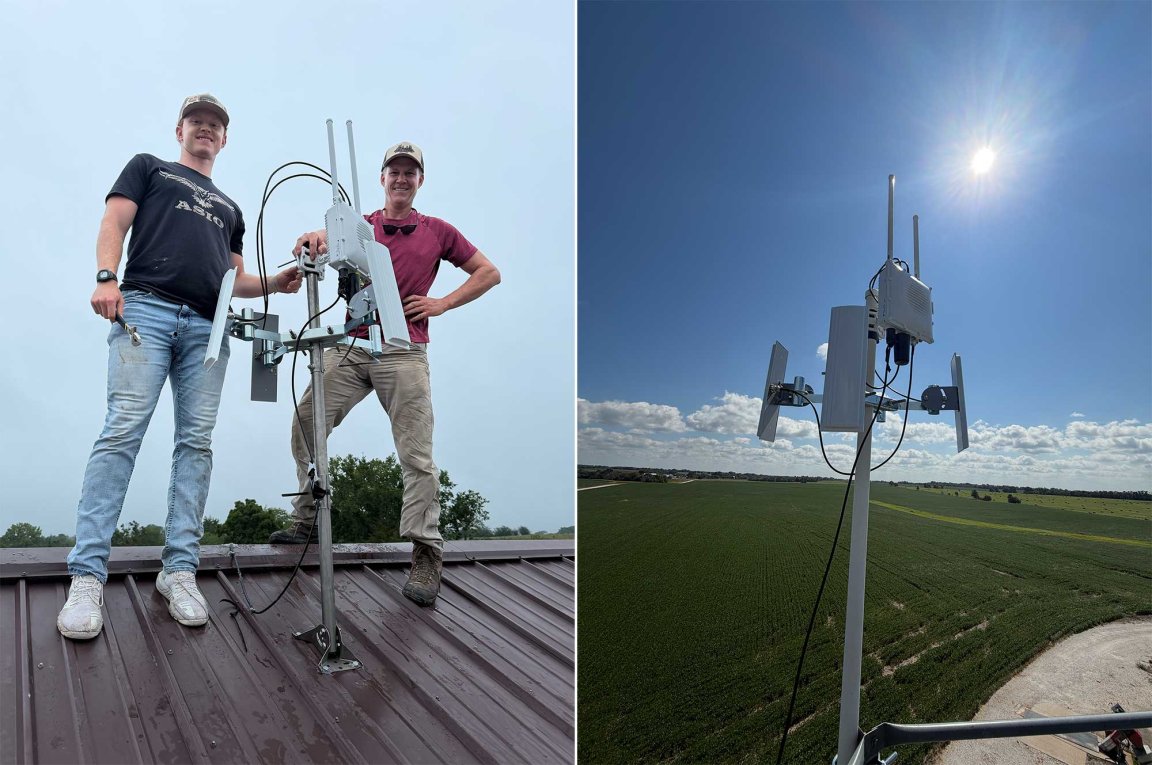
Counter Drone Technology Has Come to Deer Hunting and Landowners Are Starting to Fight Back
Recent reports indicate that counter-drone technology, originally designed for security, is being adapted by landowners and hunters to deter unauthorised aerial surveillance.
The story
in brief.
What happened, who it affects, and why it landed on our intelligence desk — in plain English, sixty seconds or less.
Recent reports indicate that counter-drone technology, originally designed for security, is being adapted by landowners and hunters to deter unauthorised aerial surveillance. This trend reflects growing tensions regarding privacy rights and property boundaries in the digital age. Professionals should note the intersection of emerging hardware solutions and regulatory challenges. The development highlights a practical application of defensive tech in civilian contexts, raising questions about liability, ethical usage, and the evolving landscape of personal security measures against unmanned aerial systems.
Indicative index of skill mentions in professional job postings for the field this story moves (2019 = 1)
What this means
for your career.
Every headline redistributes opportunity. Here is who this one rewards — and how to be on the right side of it.
You should monitor this shift as it signals broader adoption of autonomous systems and their countermeasures in private sectors. Roles in regulatory compliance, technology law, and security engineering will see increased demand. Professionals in agriculture and land management must understand these tools to protect assets effectively. You need to develop skills in interpreting new legislation surrounding drone usage and privacy. Smart professionals will upskill in risk assessment and emerging tech governance. Consider courses that bridge technical understanding with legal frameworks. This niche reveals how quickly military-grade tech permeates civilian life, creating new career pathways in specialised security consulting and policy advisory roles.
For this story, the fields that convert it into pay are Cyber Security, Risk Management, Law and AI in Agriculture — exactly the programmes matched below. The chart shows the indicative salary uplift certified professionals report in each of those fields; every one of them is a click away, from £79, finishing in as few as 20 days.
Indicative ranges from published continuing-education salary studies, by field — each field is a recommended course below
Enrol in these
to benefit.
These programmes position you for exactly this shift — online, self-paced, and finishing with a verifiable certificate you can share the day you pass.
 Best match
Certificate in Cyber Security
 Recommended
Certificate in Risk Management
 Recommended
Certificate in Law
 Recommended
Certificate in AI in Agriculture
Launch pricing shown against standard certificate value. The fee you see today is the fee you lock in.
This briefing is based on reporting by Outdoor Life on 2 Nov, 20:39. Read the original coverage →
Read the news. Then outrun it.
Every LSBR programme is online, self-paced and from £79 — so a headline today can be your credential this month.
