
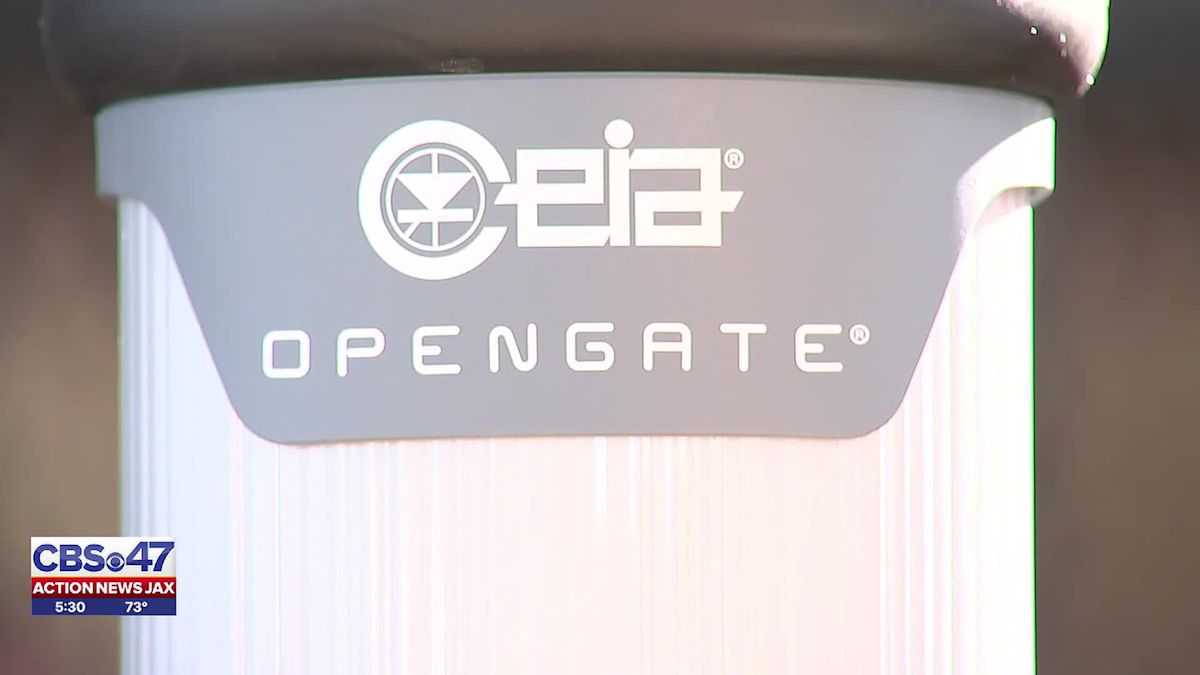
DCPS bringing weapons detection technology to elementary schools
District of Columbia Public Schools is implementing weapons detection technology across its elementary schools to enhance student safety.
The story
in brief.
What happened, who it affects, and why it landed on our intelligence desk — in plain English, sixty seconds or less.
District of Columbia Public Schools is implementing weapons detection technology across its elementary schools to enhance student safety. This initiative involves installing advanced screening systems at school entrances, marking a significant shift in how educational institutions manage physical security. The move reflects broader national trends towards integrating sophisticated surveillance and detection tools within public spaces, particularly those serving vulnerable populations. Stakeholders must now navigate the operational, legal, and ethical implications of deploying such technology in environments traditionally focused on learning rather than security enforcement.
Indicative index of skill mentions in professional job postings for the field this story moves (2019 = 1)
What this means
for your career.
Every headline redistributes opportunity. Here is who this one rewards — and how to be on the right side of it.
This development signals a growing demand for expertise in security infrastructure and risk mitigation within the public sector. Professionals in facilities management, technology integration, and compliance should pay close attention. Skills in evaluating security vendor proposals, managing implementation projects, and navigating privacy regulations will rise in value. You should consider upskilling in risk assessment protocols and understanding the legal frameworks governing surveillance in educational settings. Engaging with professional networks focused on public safety technology will position you to advise organisations on balancing security needs with community trust. Proactively learning about the ethical dimensions of automated detection systems will also distinguish you as a forward-thinking leader capable of managing complex stakeholder expectations in sensitive environments.
For this story, the fields that convert it into pay are Risk Management, Cyber Security, Occupational Health and Safety and Public Administration — exactly the programmes matched below. The chart shows the indicative salary uplift certified professionals report in each of those fields; every one of them is a click away, from £79, finishing in as few as 20 days.
Indicative ranges from published continuing-education salary studies, by field — each field is a recommended course below
Enrol in these
to benefit.
These programmes position you for exactly this shift — online, self-paced, and finishing with a verifiable certificate you can share the day you pass.
 Best match
Certificate in Risk Management
 Recommended
Certificate in Cyber Security
Recommended
Certificate in Occupational Health and Safety
 Recommended
Certificate in Public Administration
Launch pricing shown against standard certificate value. The fee you see today is the fee you lock in.
This briefing is based on reporting by Yahoo on 21 Oct, 23:07. Read the original coverage →
Read the news. Then outrun it.
Every LSBR programme is online, self-paced and from £79 — so a headline today can be your credential this month.
