
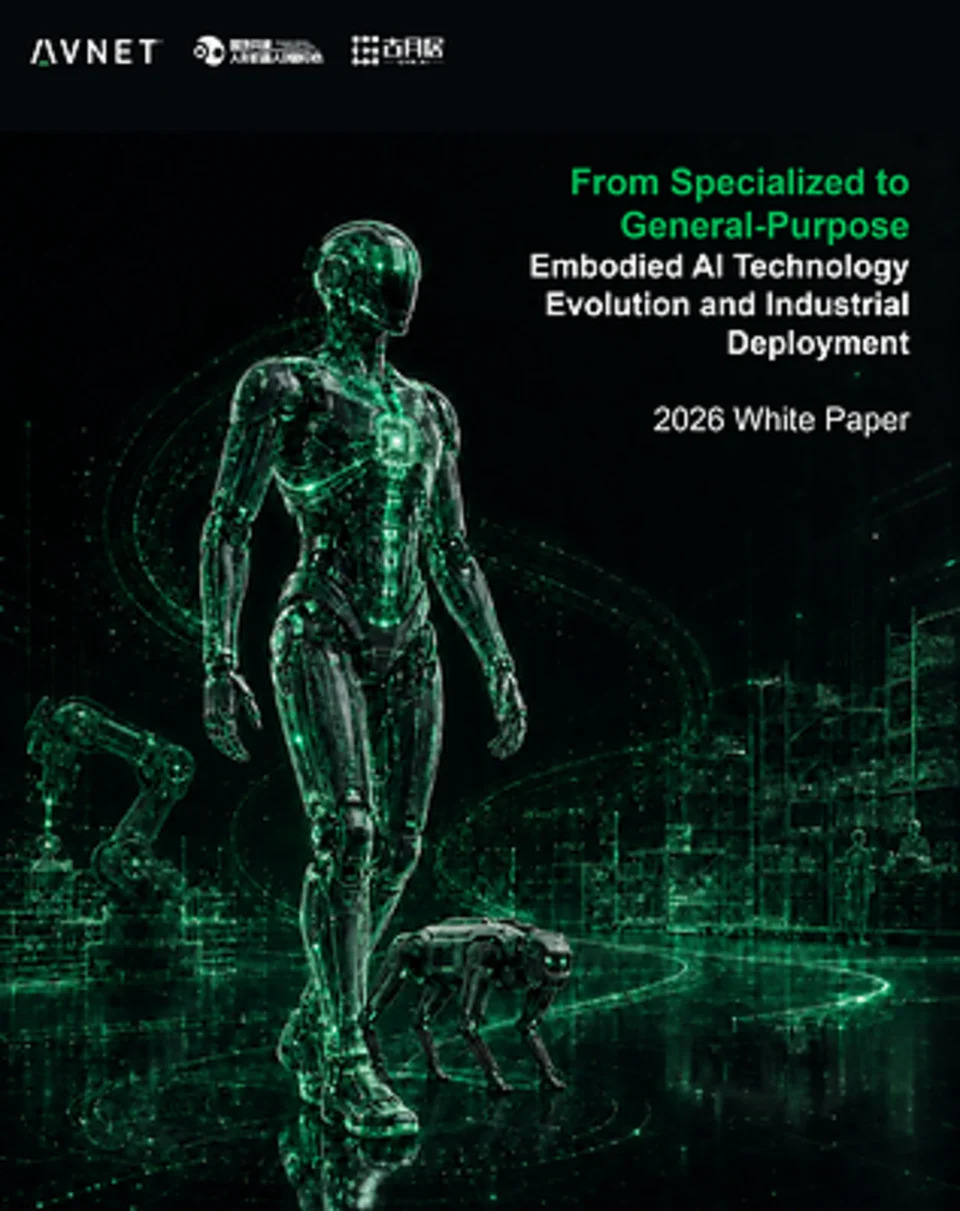
Embodied AI's Next Frontier: Integrating Intelligence with Real-World Systems
Recent industry reports highlight a pivotal shift in embodied AI, focusing on the seamless integration of artificial intelligence with physical systems and real-world environments.
The story
in brief.
What happened, who it affects, and why it landed on our intelligence desk — in plain English, sixty seconds or less.
Recent industry reports highlight a pivotal shift in embodied AI, focusing on the seamless integration of artificial intelligence with physical systems and real-world environments. This development moves beyond theoretical models to practical applications where robots and autonomous devices interact dynamically with their surroundings. Professionals should note that this transition demands robust engineering frameworks and sophisticated sensor fusion techniques. The narrative underscores the growing necessity for interdisciplinary collaboration, merging software intelligence with hardware reliability to create responsive, adaptive technologies capable of operating effectively in unstructured, real-life scenarios.
Indicative index of skill mentions in professional job postings for the field this story moves (2019 = 1)
What this means
for your career.
Every headline redistributes opportunity. Here is who this one rewards — and how to be on the right side of it.
This shift directly impacts your career trajectory by elevating the value of hybrid technical skills. You must now bridge the gap between software logic and physical constraints. If you work in engineering or robotics, deepen your expertise in sensor integration and control systems. For data specialists, focus on real-time processing and edge computing. Smart professionals will upskill in cross-functional collaboration, learning to communicate effectively with hardware engineers. Prioritise courses that blend AI theory with practical implementation. Ignoring the physical layer of AI risks obsolescence in automation-heavy sectors. Act now to position yourself as a translator between digital intelligence and physical execution, ensuring your skill set remains relevant in an increasingly automated industrial landscape.
For this story, the fields that convert it into pay are Artificial Intelligence, Engineering, AI in Engineering and Data Science — exactly the programmes matched below. The chart shows the indicative salary uplift certified professionals report in each of those fields; every one of them is a click away, from £79, finishing in as few as 20 days.
Indicative ranges from published continuing-education salary studies, by field — each field is a recommended course below
Enrol in these
to benefit.
These programmes position you for exactly this shift — online, self-paced, and finishing with a verifiable certificate you can share the day you pass.
 Best match
Certificate in Artificial Intelligence
 Recommended
Certificate in Engineering
 Recommended
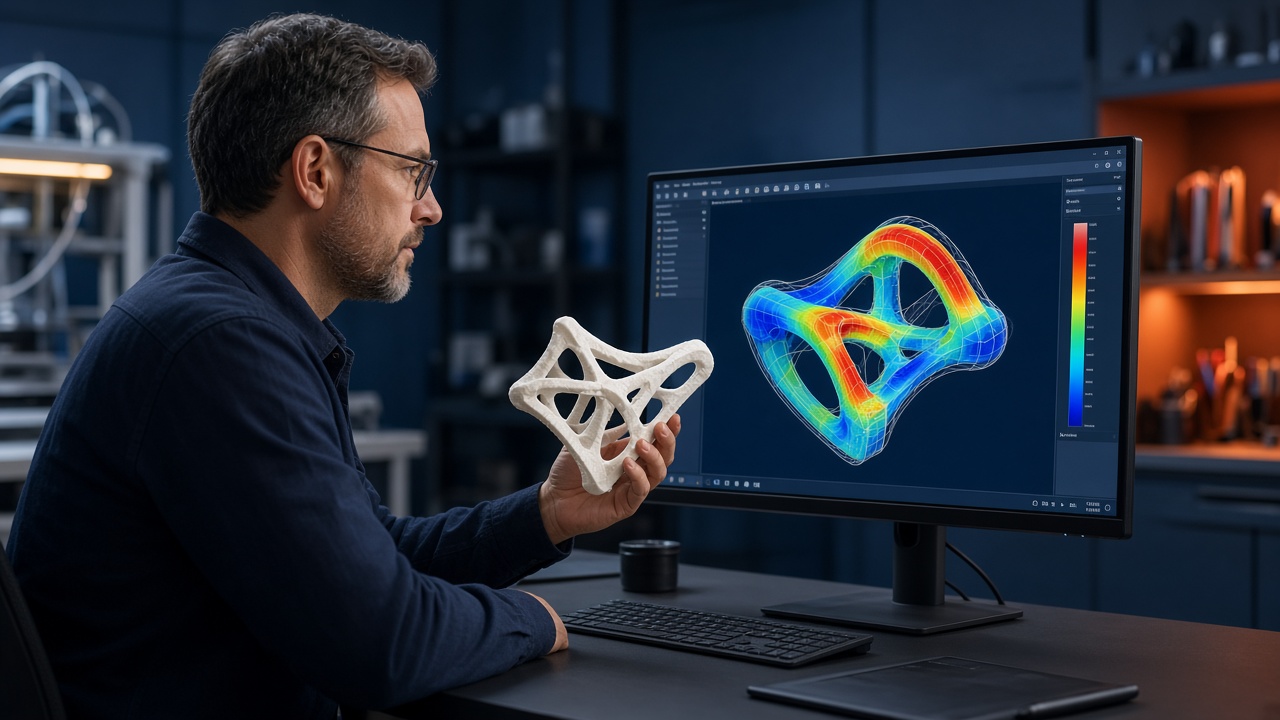
Certificate in AI in Engineering
 Recommended
Certificate in Data Science
Launch pricing shown against standard certificate value. The fee you see today is the fee you lock in.
This briefing is based on reporting by Yahoo Finance on 4 Nov, 02:00. Read the original coverage →
Read the news. Then outrun it.
Every LSBR programme is online, self-paced and from £79 — so a headline today can be your credential this month.
