
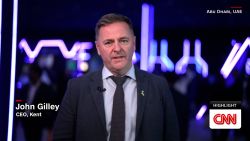
Energy markets in 2026, and what 2027 holds
Recent analysis outlines the structural shifts within global energy markets anticipated for 2026, while projecting emerging trends for 2027.
The story
in brief.
What happened, who it affects, and why it landed on our intelligence desk — in plain English, sixty seconds or less.
Recent analysis outlines the structural shifts within global energy markets anticipated for 2026, while projecting emerging trends for 2027. The report highlights the accelerating transition towards renewable infrastructure, the stabilisation of fossil fuel demand, and the increasing influence of geopolitical factors on supply chains. It details how technological advancements in storage and grid management are reshaping investment priorities. Professionals are advised to monitor these developments closely, as they signal a definitive move away from traditional energy models towards more sustainable, digitally integrated systems that will define the sector’s operational landscape in the coming years.
Indicative index of skill mentions in professional job postings for the field this story moves (2019 = 1)
What this means
for your career.
Every headline redistributes opportunity. Here is who this one rewards — and how to be on the right side of it.
This shift demands that you prioritise expertise in sustainable energy technologies and regulatory compliance. Roles focusing on grid modernisation, carbon accounting, and renewable project development will see heightened demand. You should actively upskill in data analytics to interpret complex market signals and optimise energy distribution. Professionals in traditional sectors must pivot towards hybrid roles that bridge legacy systems with green innovation. I recommend you immediately explore certifications in energy policy or sustainable engineering. Engage with industry networks to understand local regulatory changes. By positioning yourself at the intersection of technology and sustainability, you ensure relevance in a rapidly evolving labour market. Proactive adaptation is no longer optional; it is essential for long-term career resilience in the energy sector.
For this story, the fields that convert it into pay are AI in Energy, Risk Management, Data analytics and Business analysis — exactly the programmes matched below. The chart shows the indicative salary uplift certified professionals report in each of those fields; every one of them is a click away, from £79, finishing in as few as 20 days.
Indicative ranges from published continuing-education salary studies, by field — each field is a recommended course below
Enrol in these
to benefit.
These programmes position you for exactly this shift — online, self-paced, and finishing with a verifiable certificate you can share the day you pass.
 Best match
Certificate in AI in Energy
 Recommended
Certificate in Risk Management
Recommended
Certificate in Data analytics
 Recommended
Certificate in Business analysis
Launch pricing shown against standard certificate value. The fee you see today is the fee you lock in.
This briefing is based on reporting by CNN on 9 Nov, 04:43. Read the original coverage →
Read the news. Then outrun it.
Every LSBR programme is online, self-paced and from £79 — so a headline today can be your credential this month.
