
Evolution of women’s healthcare focus of URI’s annual Youngken Clinic – Rhody Today
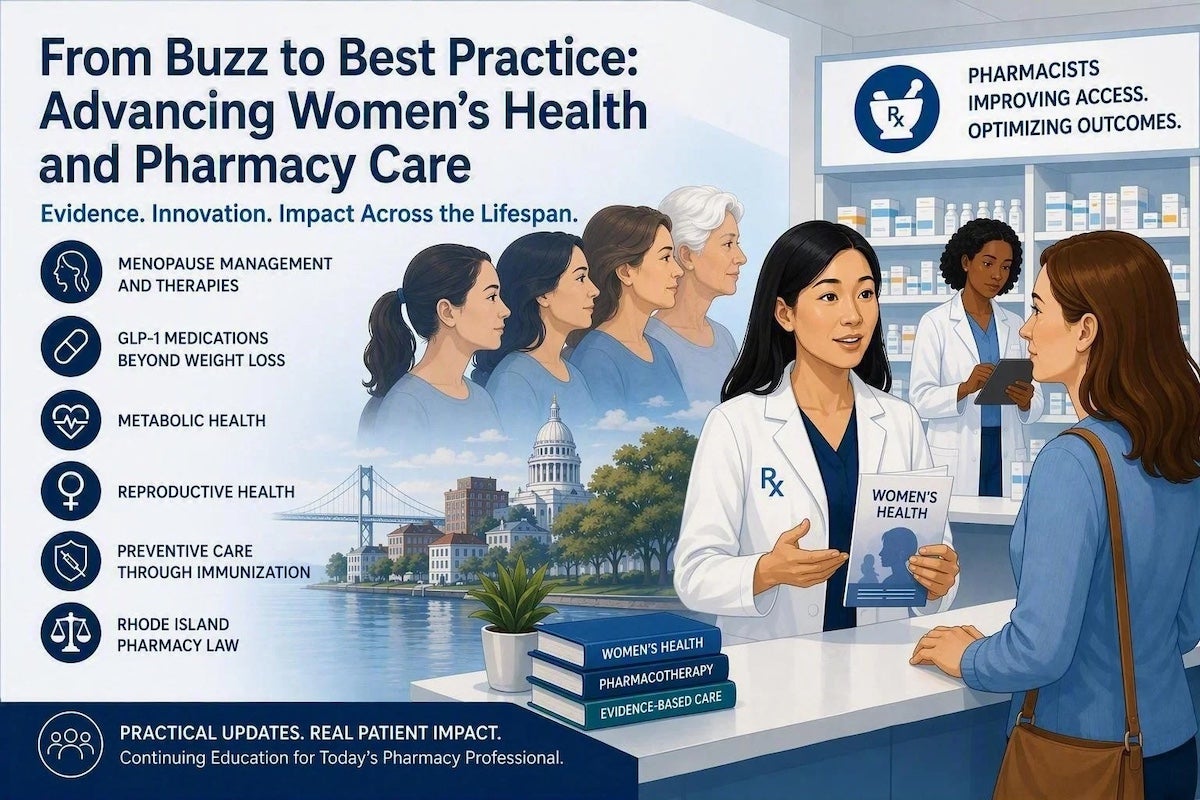
The University of Rhode Island’s annual Youngken Clinic has shifted its strategic focus towards women’s healthcare, reflecting broader industry trends.
The story
in brief.
What happened, who it affects, and why it landed on our intelligence desk — in plain English, sixty seconds or less.
The University of Rhode Island’s annual Youngken Clinic has shifted its strategic focus towards women’s healthcare, reflecting broader industry trends. This evolution highlights an increasing emphasis on specialised medical services tailored to female patients. The initiative underscores the growing importance of gender-specific health interventions within academic and clinical settings. For professionals, this signals a tangible move towards more targeted care models. The change suggests that healthcare providers and administrators must now consider demographic-specific needs when planning services. This development offers insight into how educational institutions are adapting curricula and community engagement to address emerging health priorities. It serves as a case study in responsive healthcare delivery.
Indicative index of skill mentions in professional job postings for the field this story moves (2019 = 1)
What this means
for your career.
Every headline redistributes opportunity. Here is who this one rewards — and how to be on the right side of it.
This shift signals that gender-specific healthcare expertise is gaining significant market value. You should pay close attention if you work in clinical administration, public health, or medical education. The demand for professionals who understand the unique physiological and social determinants of women’s health is rising. To stay competitive, you must upskill in specialised care management and patient-centred service design. Consider pursuing certifications in women’s health policy or clinical operations. Network with professionals in reproductive health and gynaecology to understand emerging standards. Smart professionals will integrate these insights into their career planning, positioning themselves as experts in niche, high-need areas. This focus also implies greater opportunities in health tech and pharmaceutical sectors targeting female demographics.
For this story, the fields that convert it into pay are Healthcare Management, Health and Social Care, Public Administration and Occupational Health and Safety — exactly the programmes matched below. The chart shows the indicative salary uplift certified professionals report in each of those fields; every one of them is a click away, from £79, finishing in as few as 20 days.
Indicative ranges from published continuing-education salary studies, by field — each field is a recommended course below
Enrol in these
to benefit.
These programmes position you for exactly this shift — online, self-paced, and finishing with a verifiable certificate you can share the day you pass.
 Best match
Certificate in Healthcare Management
 Recommended
Certificate in Health and Social Care
 Recommended
Certificate in Public Administration
 Recommended
Certificate in Occupational Health and Safety
Launch pricing shown against standard certificate value. The fee you see today is the fee you lock in.
This briefing is based on reporting by The University of Rhode Island on 20 Oct, 14:24. Read the original coverage →
Read the news. Then outrun it.
Every LSBR programme is online, self-paced and from £79 — so a headline today can be your credential this month.
