
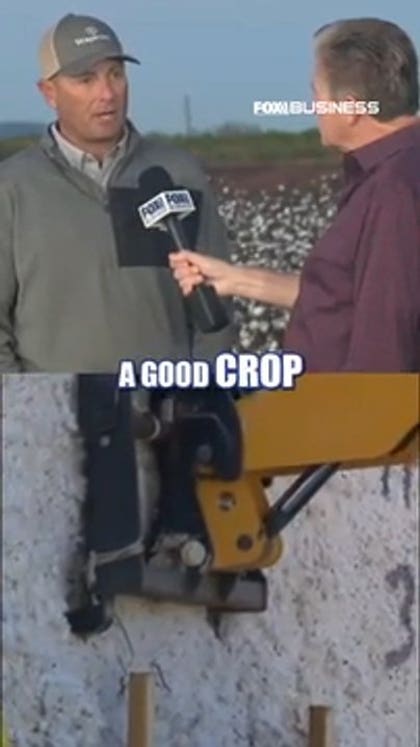
Farming technology makes better crops, but comes with a cost
Recent reporting highlights that while agricultural technology significantly enhances crop yields and quality, it introduces substantial financial and operational costs for farmers.
The story
in brief.
What happened, who it affects, and why it landed on our intelligence desk — in plain English, sixty seconds or less.
Recent reporting highlights that while agricultural technology significantly enhances crop yields and quality, it introduces substantial financial and operational costs for farmers. This tension between technological advancement and economic viability is reshaping the agricultural sector. Professionals must recognise that adopting these innovations requires careful cost-benefit analysis. The industry faces a critical juncture where efficiency gains must be weighed against rising capital expenditures. Understanding this balance is essential for stakeholders involved in food production, supply chain management, and rural economic development, as the sector navigates its transition towards more automated, yet potentially more expensive, farming practices.
Indicative index of skill mentions in professional job postings for the field this story moves (2019 = 1)
What this means
for your career.
Every headline redistributes opportunity. Here is who this one rewards — and how to be on the right side of it.
This shift demands that you understand the intersection of technology and agricultural economics. Professionals in supply chain, finance, and engineering must evaluate how smart farming tools affect long-term profitability. You should focus on developing skills in cost analysis and technology integration to advise organisations on sustainable adoption strategies. Pay attention to roles bridging technical implementation with business strategy, as companies seek leaders who can navigate these complex trade-offs. To stay competitive, consider upskilling in data analytics to interpret efficiency metrics and risk management to assess financial exposure. Smart professionals will proactively learn how to balance innovation with fiscal responsibility, positioning themselves as strategic assets in an industry undergoing rapid, costly transformation.
For this story, the fields that convert it into pay are AI in Agriculture, Supply Chain, Finance and Accounting and Risk Management — exactly the programmes matched below. The chart shows the indicative salary uplift certified professionals report in each of those fields; every one of them is a click away, from £79, finishing in as few as 20 days.
Indicative ranges from published continuing-education salary studies, by field — each field is a recommended course below
Enrol in these
to benefit.
These programmes position you for exactly this shift — online, self-paced, and finishing with a verifiable certificate you can share the day you pass.
 Best match
Certificate in AI in Agriculture
 Recommended
Certificate in Supply Chain
 Recommended
Certificate in Finance and Accounting
Recommended
Certificate in Risk Management
Launch pricing shown against standard certificate value. The fee you see today is the fee you lock in.
This briefing is based on reporting by Fox News on 23 Oct, 12:47. Read the original coverage →
Read the news. Then outrun it.
Every LSBR programme is online, self-paced and from £79 — so a headline today can be your credential this month.
