
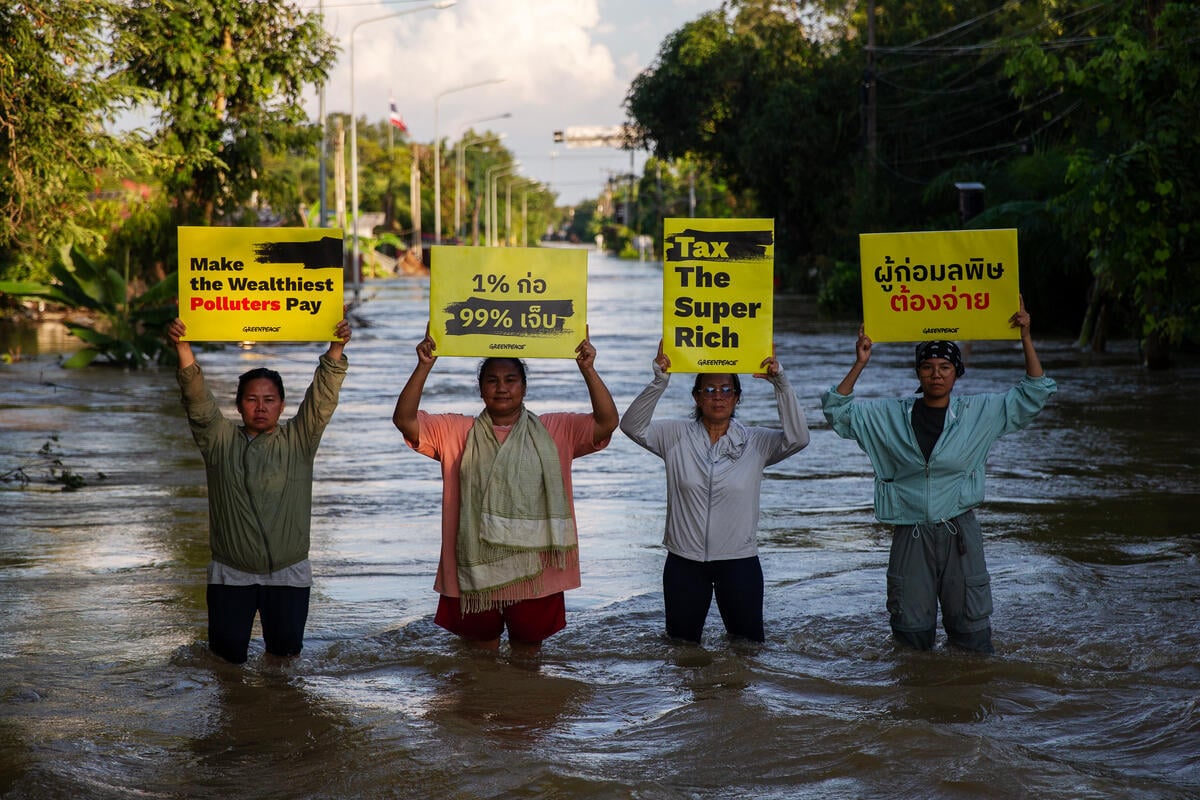
Finance meeting: Tax the wealthiest polluters to fund climate action
Greenpeace has called for a financial mechanism that taxes the wealthiest entities responsible for significant pollution to directly fund climate action initiatives.
The story
in brief.
What happened, who it affects, and why it landed on our intelligence desk — in plain English, sixty seconds or less.
Greenpeace has called for a financial mechanism that taxes the wealthiest entities responsible for significant pollution to directly fund climate action initiatives. This proposal suggests redirecting capital from major polluters generate towards sustainable solutions, effectively internalising environmental costs. The report highlights a growing trend where environmental, social, and governance criteria influence fiscal policy. Professionals should note this shift as it signals potential regulatory changes affecting corporate taxation and investment strategies. Understanding how these fiscal tools operate is crucial for navigating future economic landscapes where environmental responsibility is increasingly quantified and monetised through targeted taxation frameworks.
Indicative index of skill mentions in professional job postings for the field this story moves (2019 = 1)
What this means
for your career.
Every headline redistributes opportunity. Here is who this one rewards — and how to be on the right side of it.
You must anticipate stricter environmental regulations and evolving fiscal policies. Professionals in finance, law, and corporate strategy should prioritise skills in environmental, social, and governance reporting and carbon accounting. This shift elevates the value of expertise in regulatory compliance and sustainable investment analysis. If you work in business management, you need to understand how carbon taxes impact operational costs and profit margins. Smart professionals will now upskill in risk management to navigate these emerging liabilities. Focus on understanding the financial mechanics of climate policy. You should monitor legislative developments closely and integrate sustainability metrics into your strategic planning. Developing competence in these areas will make you indispensable as organisations adapt to a carbon-constrained economy.
For this story, the fields that convert it into pay are Finance and Accounting, Risk Management, Law and Business and Management — exactly the programmes matched below. The chart shows the indicative salary uplift certified professionals report in each of those fields; every one of them is a click away, from £79, finishing in as few as 20 days.
Indicative ranges from published continuing-education salary studies, by field — each field is a recommended course below
Enrol in these
to benefit.
These programmes position you for exactly this shift — online, self-paced, and finishing with a verifiable certificate you can share the day you pass.
 Best match
Certificate in Finance and Accounting
Recommended
Certificate in Risk Management
 Recommended
Certificate in Law
 Recommended
Certificate in Business and Management
Launch pricing shown against standard certificate value. The fee you see today is the fee you lock in.
This briefing is based on reporting by Greenpeace on 13 Oct, 06:45. Read the original coverage →
Read the news. Then outrun it.
Every LSBR programme is online, self-paced and from £79 — so a headline today can be your credential this month.
