
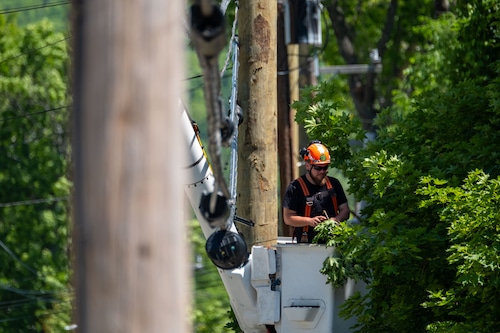
FirstEnergy plans Northeast Ohio grid technology project. An Ohio example showed both promise and limits
FirstEnergy is advancing a grid technology initiative in Northeast Ohio, drawing on local pilot results that revealed both significant potential and operational constraints.
The story
in brief.
What happened, who it affects, and why it landed on our intelligence desk — in plain English, sixty seconds or less.
FirstEnergy is advancing a grid technology initiative in Northeast Ohio, drawing on local pilot results that revealed both significant potential and operational constraints. This development highlights the complex reality of modernising energy infrastructure, where technological innovation must navigate practical limitations. The project serves as a critical case study for the energy sector, illustrating how utility providers are testing new systems to enhance grid reliability and efficiency. For professionals, it underscores the ongoing shift towards smarter, more resilient energy networks while acknowledging that early-stage implementations often expose unforeseen challenges requiring adaptive management and technical refinement.
Indicative index of skill mentions in professional job postings for the field this story moves (2019 = 1)
What this means
for your career.
Every headline redistributes opportunity. Here is who this one rewards — and how to be on the right side of it.
This development signals a heightened demand for expertise in energy infrastructure modernisation and digital grid integration. You should focus on acquiring skills in smart grid technologies, data analytics for energy systems, and project management within regulated utilities. Professionals in engineering, data science, and risk management will find increased opportunities as companies seek to replicate successful aspects of such pilots while mitigating identified limitations. To stay competitive, you should upskill in areas like IoT applications for energy, cybersecurity for critical infrastructure, and regulatory compliance. Engage with industry reports on grid modernisation and consider certifications in energy management or data analysis. Building a network with utility professionals will provide valuable insights into real-world implementation challenges, positioning you for roles that bridge technical innovation and operational reality.
For this story, the fields that convert it into pay are AI in Energy, Data analytics, Project Management and Engineering — exactly the programmes matched below. The chart shows the indicative salary uplift certified professionals report in each of those fields; every one of them is a click away, from £79, finishing in as few as 20 days.
Indicative ranges from published continuing-education salary studies, by field — each field is a recommended course below
Enrol in these
to benefit.
These programmes position you for exactly this shift — online, self-paced, and finishing with a verifiable certificate you can share the day you pass.
 Best match
Certificate in AI in Energy
 Recommended
Certificate in Data analytics
Recommended
Certificate in Project Management
 Recommended
Certificate in Engineering
Launch pricing shown against standard certificate value. The fee you see today is the fee you lock in.
This briefing is based on reporting by cleveland.com on 1 Oct, 12:00. Read the original coverage →
Read the news. Then outrun it.
Every LSBR programme is online, self-paced and from £79 — so a headline today can be your credential this month.
