
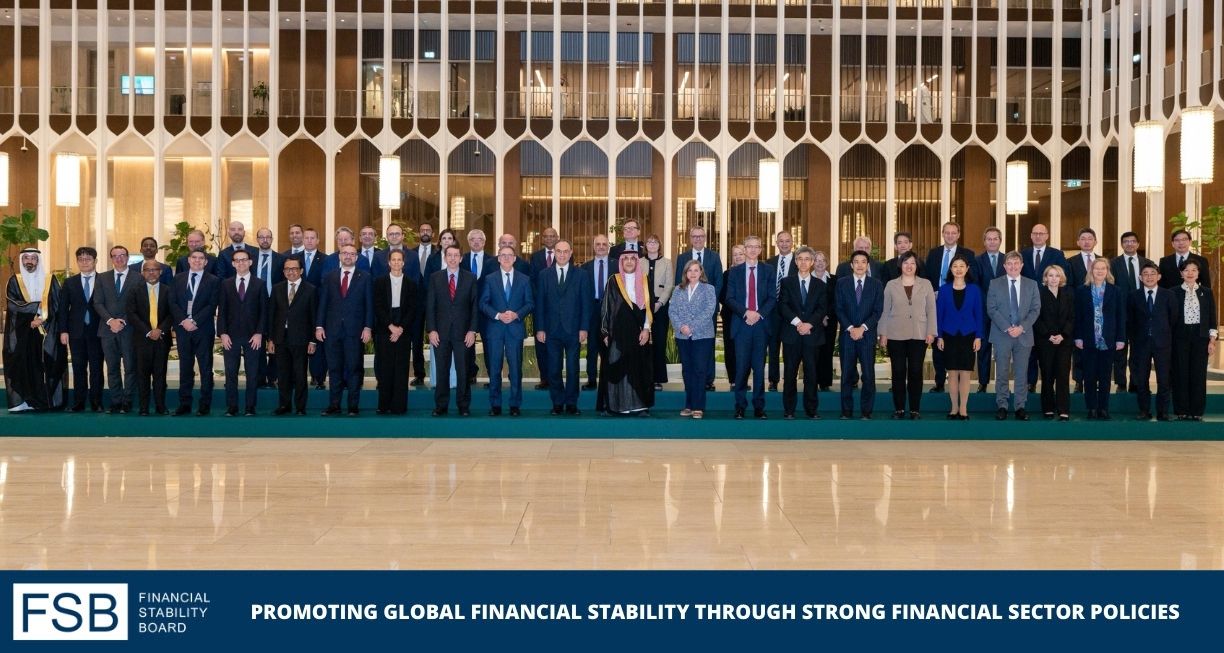
FSB Chair’s letter to G20 Finance Ministers and Central Bank Governors: October 2026
The Financial Stability Board has published a formal letter from its Chair addressed to G20 Finance Ministers and Central Bank Governors, dated October 2026.
The story
in brief.
What happened, who it affects, and why it landed on our intelligence desk — in plain English, sixty seconds or less.
The Financial Stability Board has published a formal letter from its Chair addressed to G20 Finance Ministers and Central Bank Governors, dated October 2026. This document outlines the FSB’s current assessment of global financial stability risks and policy priorities. As a key international standard-setting body, the FSB coordinates national financial authorities and international standard-setters to develop and promote the implementation of effective regulatory, supervisory, and other financial sector policies. The letter serves as a strategic communication tool, highlighting emerging threats to the global financial system and proposing coordinated responses to ensure resilience and stability across major economies.
Indicative index of skill mentions in professional job postings for the field this story moves (2019 = 1)
What this means
for your career.
Every headline redistributes opportunity. Here is who this one rewards — and how to be on the right side of it.
You must recognise that macro-financial stability is shifting. Regulators are demanding deeper integration of risk oversight into daily operations. Professionals in compliance, risk management, and strategic finance will see heightened demand. You need to understand how global policy directives translate into local regulatory requirements. Focus on building expertise in systemic risk assessment and regulatory reporting. If you work in banking or insurance, upskill in interpreting international standards. A smart professional monitors FSB publications closely, anticipating changes in capital requirements or stress-testing protocols. Develop strong analytical skills to model systemic risks. Engage with cross-border regulatory frameworks now. This proactive approach positions you as a strategic advisor, capable of navigating complex, evolving global financial landscapes and protecting organisational stability.
For this story, the fields that convert it into pay are Risk Management, Finance, AI in Finance and Business and Management — exactly the programmes matched below. The chart shows the indicative salary uplift certified professionals report in each of those fields; every one of them is a click away, from £79, finishing in as few as 20 days.
Indicative ranges from published continuing-education salary studies, by field — each field is a recommended course below
Enrol in these
to benefit.
These programmes position you for exactly this shift — online, self-paced, and finishing with a verifiable certificate you can share the day you pass.
 Best match
Certificate in Risk Management
Recommended
Certificate in Finance
 Recommended
Certificate in AI in Finance
 Recommended
Certificate in Business and Management
Launch pricing shown against standard certificate value. The fee you see today is the fee you lock in.
This briefing is based on reporting by Financial Stability Board on 11 Oct, 19:56. Read the original coverage →
Read the news. Then outrun it.
Every LSBR programme is online, self-paced and from £79 — so a headline today can be your credential this month.
