
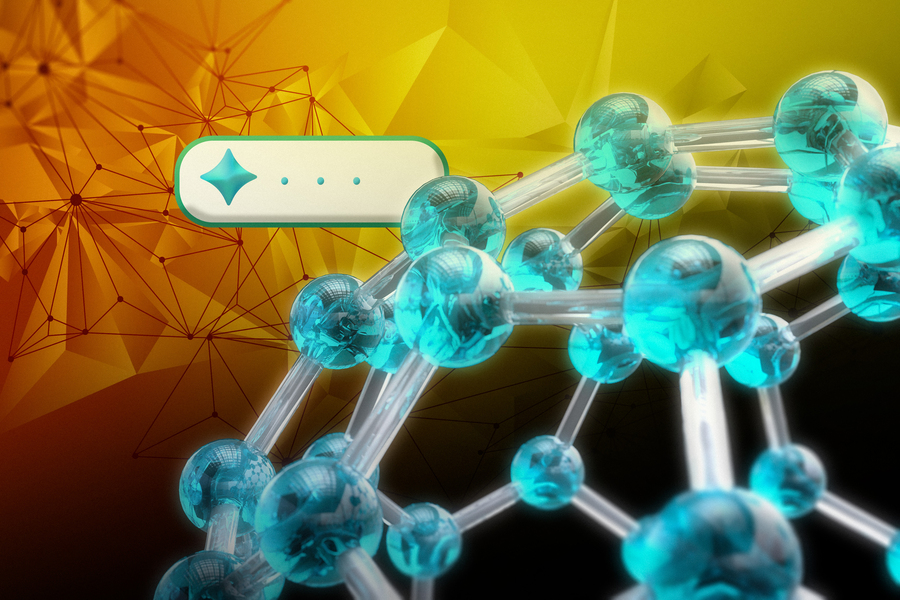
Giving AI a “crystal clear” view of the materials world
Researchers at MIT have developed a novel approach to enhance artificial intelligence’s ability to interpret complex materials science data.
The story
in brief.
What happened, who it affects, and why it landed on our intelligence desk — in plain English, sixty seconds or less.
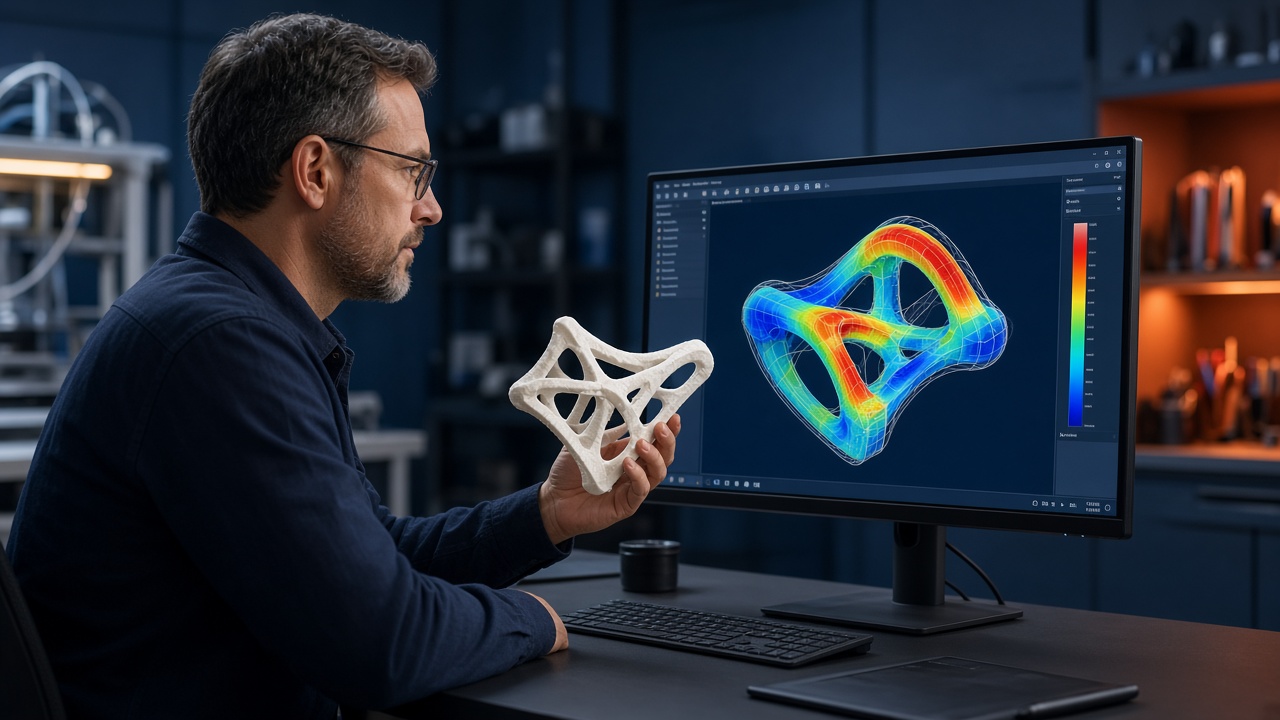
Researchers at MIT have developed a novel approach to enhance artificial intelligence’s ability to interpret complex materials science data. By providing AI systems with a more precise and structured view of material properties, this innovation aims to accelerate the discovery and optimisation of new materials. The technology focuses on improving data clarity for machine learning models, potentially reducing the time required for experimental validation. This development signals a significant step forward in computational materials science, offering more reliable predictions for engineers and scientists working in sectors reliant on advanced material development.
Indicative index of skill mentions in professional job postings for the field this story moves (2019 = 1)
What this means
for your career.
Every headline redistributes opportunity. Here is who this one rewards — and how to be on the right side of it.
This advancement elevates the value of professionals who can bridge materials science and machine learning. You should focus on mastering data preprocessing techniques specific to scientific datasets. Roles in computational chemistry and materials informatics will see increased demand. If you work in manufacturing or R&D, upskill in AI-driven material modelling to stay competitive. Learn how to structure complex physical data for AI consumption. This is not just for researchers; supply chain and product development leaders must understand these tools to innovate faster. Prioritise courses that combine domain expertise with practical AI application. Ignoring this intersection risks obsolescence in high-tech industries. Start by auditing your current data handling skills and identifying gaps in AI literacy relevant to your sector.
For this story, the fields that convert it into pay are AI in Engineering, Data Science, Artificial Intelligence and Engineering — exactly the programmes matched below. The chart shows the indicative salary uplift certified professionals report in each of those fields; every one of them is a click away, from £79, finishing in as few as 20 days.
Indicative ranges from published continuing-education salary studies, by field — each field is a recommended course below
Enrol in these
to benefit.
These programmes position you for exactly this shift — online, self-paced, and finishing with a verifiable certificate you can share the day you pass.
 Best match
Certificate in AI in Engineering
 Recommended
Certificate in Data Science
 Recommended
Certificate in Artificial Intelligence
 Recommended
Certificate in Engineering
Launch pricing shown against standard certificate value. The fee you see today is the fee you lock in.
This briefing is based on reporting by MIT News on 18 Oct, 04:00. Read the original coverage →
Read the news. Then outrun it.
Every LSBR programme is online, self-paced and from £79 — so a headline today can be your credential this month.
