
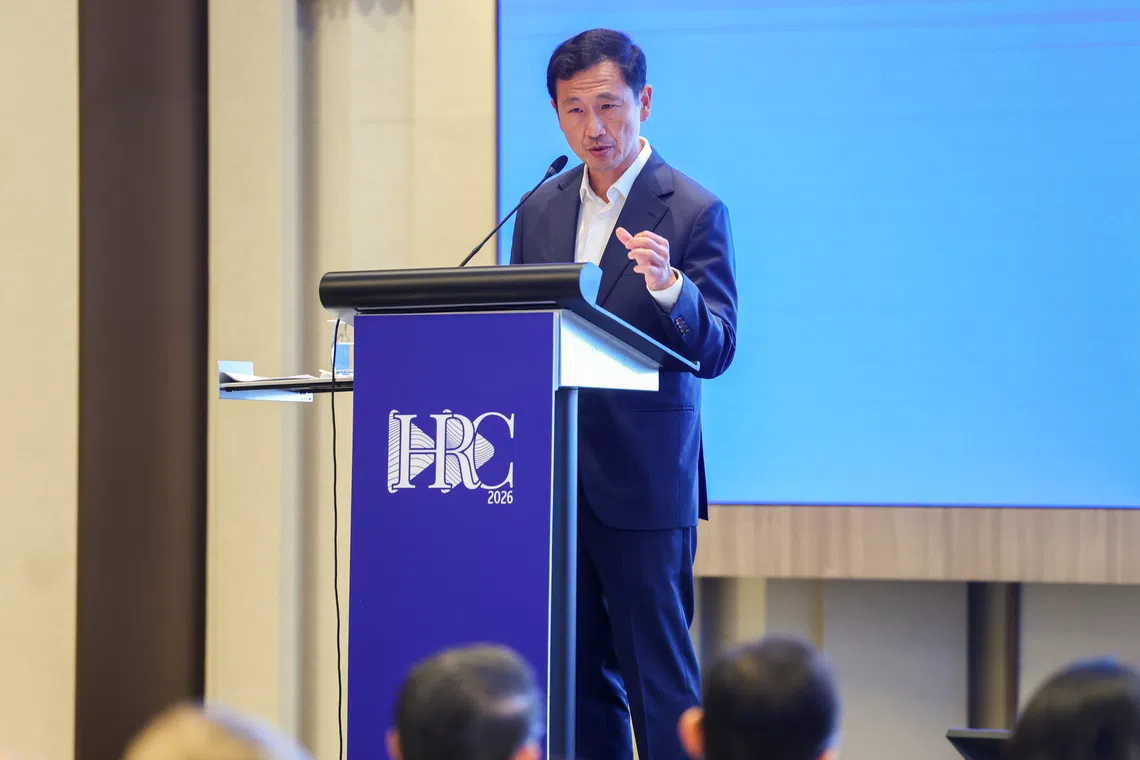
Good medical innovations reach patients sooner with good regulation: Ong Ye Kung
Singapore Health Minister Ong Ye Kung asserts that effective regulatory frameworks accelerate the deployment of beneficial medical innovations to patients.
The story
in brief.
What happened, who it affects, and why it landed on our intelligence desk — in plain English, sixty seconds or less.
Singapore Health Minister Ong Ye Kung asserts that effective regulatory frameworks accelerate the deployment of beneficial medical innovations to patients. The statement highlights a strategic alignment between regulatory bodies and healthcare providers to streamline approval processes without compromising safety standards. This approach aims to reduce administrative bottlenecks, ensuring that advanced treatments and technologies reach clinical settings more rapidly. The initiative underscores the government’s commitment to modernising healthcare infrastructure through collaborative governance. By prioritising efficient regulation, Singapore seeks to maintain its position as a regional hub for medical excellence and innovation, benefiting both patients and the broader healthcare ecosystem.
Indicative index of skill mentions in professional job postings for the field this story moves (2019 = 1)
What this means
for your career.
Every headline redistributes opportunity. Here is who this one rewards — and how to be on the right side of it.
This shift signals a growing demand for professionals who bridge clinical expertise with regulatory compliance and operational efficiency. You should focus on skills in healthcare policy, project management, and innovation strategy. Roles in medical affairs, regulatory affairs, and health technology management will gain prominence. To stay competitive, you must understand how to navigate complex approval pathways while driving product adoption. Consider upskilling in healthcare management or risk management to advise organisations on compliant innovation. Engage with cross-functional teams to align clinical goals with regulatory requirements. By mastering these areas, you position yourself as a strategic asset capable of accelerating time-to-market for critical medical solutions, ensuring your career remains relevant in a rapidly evolving healthcare landscape.
For this story, the fields that convert it into pay are Healthcare Management, Innovation, Risk Management and Project Management — exactly the programmes matched below. The chart shows the indicative salary uplift certified professionals report in each of those fields; every one of them is a click away, from £79, finishing in as few as 20 days.
Indicative ranges from published continuing-education salary studies, by field — each field is a recommended course below
Enrol in these
to benefit.
These programmes position you for exactly this shift — online, self-paced, and finishing with a verifiable certificate you can share the day you pass.
 Best match
Certificate in Healthcare Management
 Recommended
Certificate in Innovation
 Recommended
Certificate in Risk Management
Recommended
Certificate in Project Management
Launch pricing shown against standard certificate value. The fee you see today is the fee you lock in.
This briefing is based on reporting by The Straits Times on 12 Oct, 09:15. Read the original coverage →
Read the news. Then outrun it.
Every LSBR programme is online, self-paced and from £79 — so a headline today can be your credential this month.
