
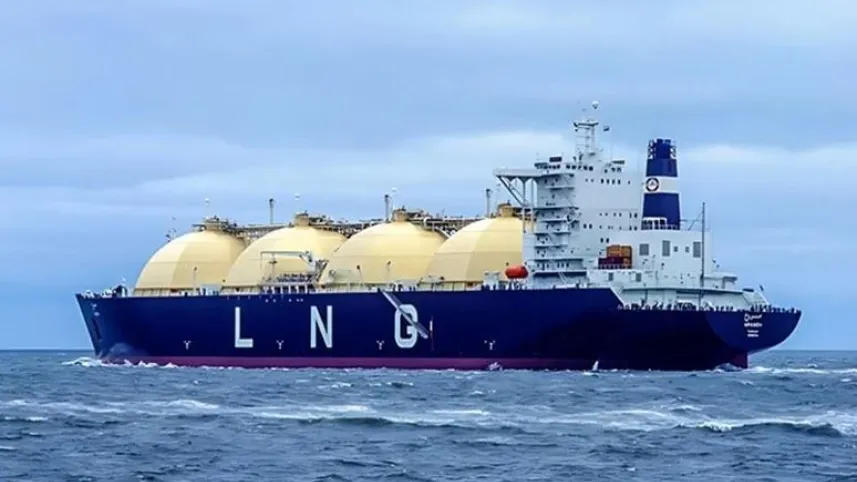
Govt to import six LNG cargoes from BP Singapore, QatarEnergy
The government has announced plans to import six liquefied natural gas cargoes from BP Singapore and QatarEnergy.
The story
in brief.
What happened, who it affects, and why it landed on our intelligence desk — in plain English, sixty seconds or less.
The government has announced plans to import six liquefied natural gas cargoes from BP Singapore and QatarEnergy. This strategic move aims to bolster national energy reserves and ensure supply stability amid rising demand. The deal involves direct procurement from major international energy players, highlighting a reliance on global LNG markets. For professionals, this signals continued investment in energy infrastructure and trade logistics. The transaction underscores the critical role of international partnerships in securing national energy security. It reflects broader trends in energy procurement strategies, where governments increasingly turn to spot market purchases to manage short-term supply gaps. This development is significant for sectors involved in energy trading, logistics, and international commerce.
Indicative index of skill mentions in professional job postings for the field this story moves (2019 = 1)
What this means
for your career.
Every headline redistributes opportunity. Here is who this one rewards — and how to be on the right side of it.
This development signals sustained demand for expertise in energy trading, international logistics, and contract law. If you work in supply chain or procurement, focus on mastering complex international trade regulations and risk mitigation strategies. Professionals in finance should monitor commodity pricing models and currency exchange impacts on large-scale energy deals. For those in project management, understanding the operational challenges of LNG terminal operations and storage is crucial. You should enhance your skills in strategic sourcing to navigate volatile global markets. Consider upskilling in energy sector analysis to advise organisations on supply security. Networking with peers in the petrochemical and logistics industries will provide valuable insights into emerging opportunities. Proactively studying international trade law will also position you to handle the legal complexities of cross-border energy agreements effectively.
For this story, the fields that convert it into pay are Supply Chain, Strategic Sourcing, Risk Management and Law — exactly the programmes matched below. The chart shows the indicative salary uplift certified professionals report in each of those fields; every one of them is a click away, from £79, finishing in as few as 20 days.
Indicative ranges from published continuing-education salary studies, by field — each field is a recommended course below
Enrol in these
to benefit.
These programmes position you for exactly this shift — online, self-paced, and finishing with a verifiable certificate you can share the day you pass.
 Best match
Certificate in Supply Chain
Recommended
Certificate in Strategic Sourcing
 Recommended
Certificate in Risk Management
Recommended
Certificate in Law
Launch pricing shown against standard certificate value. The fee you see today is the fee you lock in.
This briefing is based on reporting by The Daily Star on 25 Oct, 18:26. Read the original coverage →
Read the news. Then outrun it.
Every LSBR programme is online, self-paced and from £79 — so a headline today can be your credential this month.
