
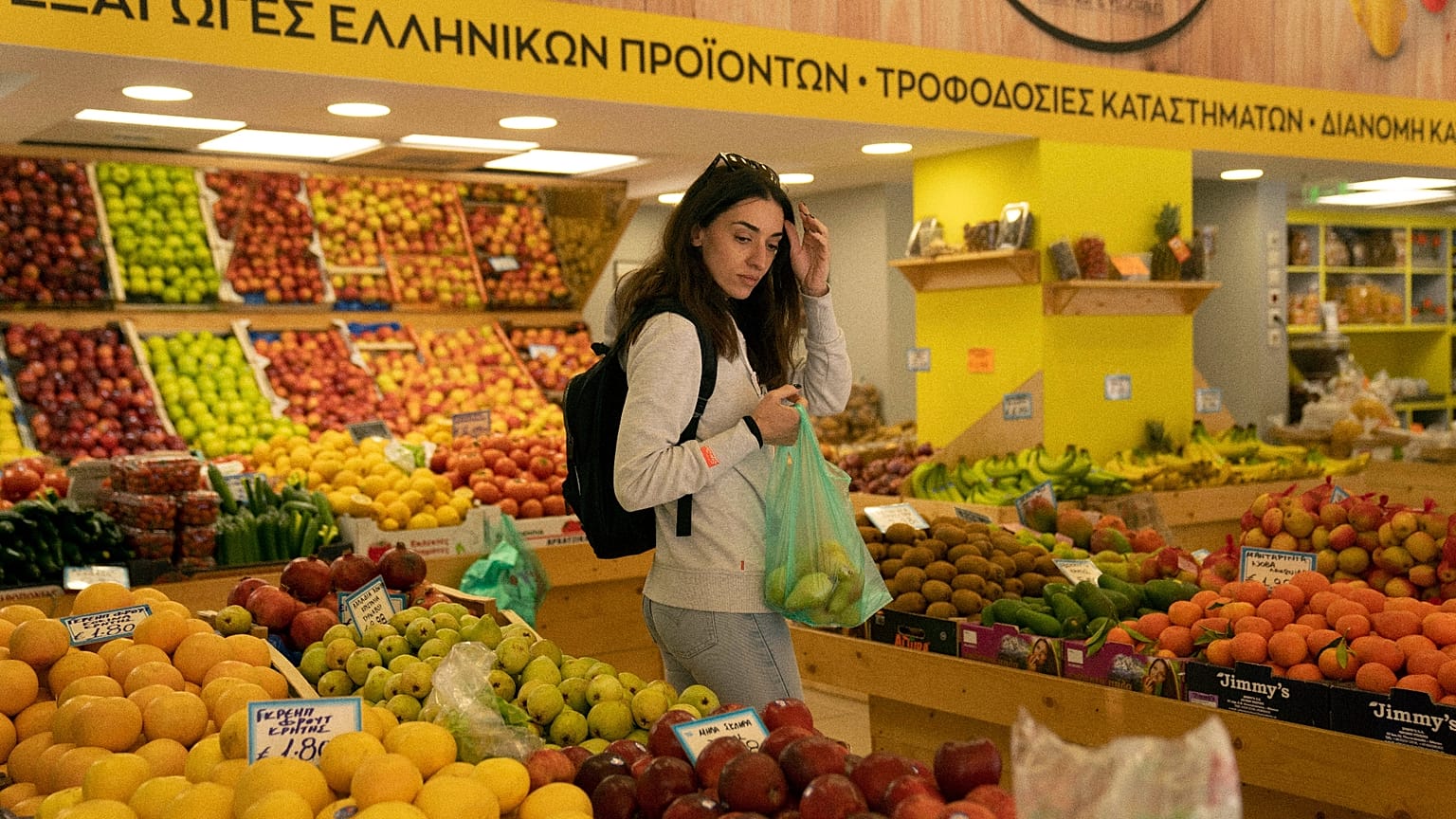
Grocery prices across Europe: Where is food most expensive and why?
Recent reporting from Euronews highlights significant disparities in grocery prices across European nations, identifying specific countries where food costs are notably higher.
The story
in brief.
What happened, who it affects, and why it landed on our intelligence desk — in plain English, sixty seconds or less.
Recent reporting from Euronews highlights significant disparities in grocery prices across European nations, identifying specific countries where food costs are notably higher. The analysis explores underlying drivers, including inflationary pressures, supply chain disruptions, and varying national tax policies. For professionals, this data underscores the volatility of consumer goods markets and the complex economic factors influencing everyday living costs. Understanding these regional differences is crucial for businesses operating across borders, as it affects purchasing power, operational expenses, and strategic pricing decisions within the broader European economic landscape.
Indicative index of skill mentions in professional job postings for the field this story moves (2019 = 1)
What this means
for your career.
Every headline redistributes opportunity. Here is who this one rewards — and how to be on the right side of it.
You must adapt to shifting cost structures and consumer behaviour. Professionals in procurement, logistics, and retail strategy face immediate pressure to optimise costs and maintain margins. Supply chain expertise and strategic sourcing skills are now critical for mitigating inflation risks. You should analyse regional price data to refine your organisation’s purchasing strategy. Consider upskilling in data analytics to forecast cost trends accurately. If you manage teams, focus on retention strategies that account for rising living costs. Smart professionals will leverage these insights to negotiate better supplier contracts and adjust pricing models. Prioritise courses that enhance your ability to navigate economic volatility and drive operational efficiency in a high-inflation environment.
For this story, the fields that convert it into pay are Supply Chain, Strategic Sourcing, Data analytics and Business analysis — exactly the programmes matched below. The chart shows the indicative salary uplift certified professionals report in each of those fields; every one of them is a click away, from £79, finishing in as few as 20 days.
Indicative ranges from published continuing-education salary studies, by field — each field is a recommended course below
Enrol in these
to benefit.
These programmes position you for exactly this shift — online, self-paced, and finishing with a verifiable certificate you can share the day you pass.
 Best match
Certificate in Supply Chain
Recommended
Certificate in Strategic Sourcing
 Recommended
Certificate in Data analytics
Recommended
Certificate in Business analysis
Launch pricing shown against standard certificate value. The fee you see today is the fee you lock in.
This briefing is based on reporting by Euronews.com on 24 Oct, 05:00. Read the original coverage →
Read the news. Then outrun it.
Every LSBR programme is online, self-paced and from £79 — so a headline today can be your credential this month.
