
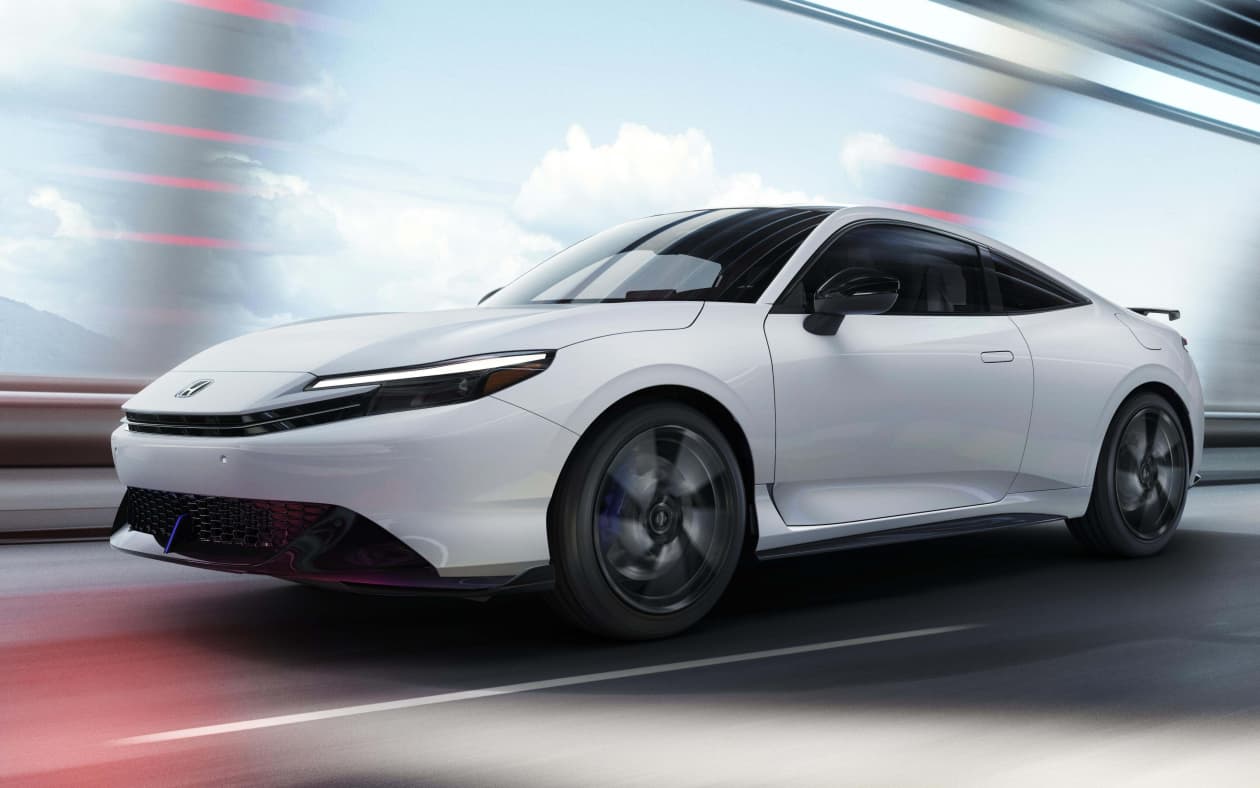
Honda bets big on hybrids with next-gen technology for 15 models by 2030
Honda has announced a strategic pivot towards hybrid vehicles, committing to launch fifteen new models powered by next-generation hybrid technology by 2030.
The story
in brief.
What happened, who it affects, and why it landed on our intelligence desk — in plain English, sixty seconds or less.
Honda has announced a strategic pivot towards hybrid vehicles, committing to launch fifteen new models powered by next-generation hybrid technology by 2030. This move signals a significant investment in electrification without fully abandoning internal combustion engines, aiming to balance performance with efficiency. The plan reflects the automaker’s response to evolving consumer preferences and regulatory pressures, positioning hybrids as a core pillar of its future product lineup rather than a temporary transition. This development underscores a broader industry trend where manufacturers are diversifying powertrain strategies to mitigate supply chain risks and meet varying global market demands for sustainable mobility solutions.
Indicative index of skill mentions in professional job postings for the field this story moves (2019 = 1)
What this means
for your career.
Every headline redistributes opportunity. Here is who this one rewards — and how to be on the right side of it.
This shift creates immediate demand for expertise in hybrid powertrain systems and sustainable manufacturing. You should focus on upskilling in battery technology, electrical engineering, and supply chain optimisation for electric components. Professionals in automotive engineering must adapt to integrated systems design, while those in project management need to navigate complex, multi-vendor development cycles. If you work in strategic sourcing, prioritise suppliers with robust ethical and technological standards. Smart professionals will now study the regulatory landscape surrounding emissions and energy efficiency. Consider specialising in AI in Automotive to understand predictive maintenance and smart grid integration. This is not just about mechanics; it is about managing the transition to electrified ecosystems. Act now to bridge the gap between traditional mechanical engineering and modern electrical systems.
For this story, the fields that convert it into pay are AI in Automotive, Engineering, Supply Chain and Project Management — exactly the programmes matched below. The chart shows the indicative salary uplift certified professionals report in each of those fields; every one of them is a click away, from £79, finishing in as few as 20 days.
Indicative ranges from published continuing-education salary studies, by field — each field is a recommended course below
Enrol in these
to benefit.
These programmes position you for exactly this shift — online, self-paced, and finishing with a verifiable certificate you can share the day you pass.
 Best match
Certificate in AI in Automotive
 Recommended
Certificate in Engineering
 Recommended
Certificate in Supply Chain
 Recommended
Certificate in Project Management
Launch pricing shown against standard certificate value. The fee you see today is the fee you lock in.
This briefing is based on reporting by MarketWatch on 21 Oct, 09:01. Read the original coverage →
Read the news. Then outrun it.
Every LSBR programme is online, self-paced and from £79 — so a headline today can be your credential this month.
