
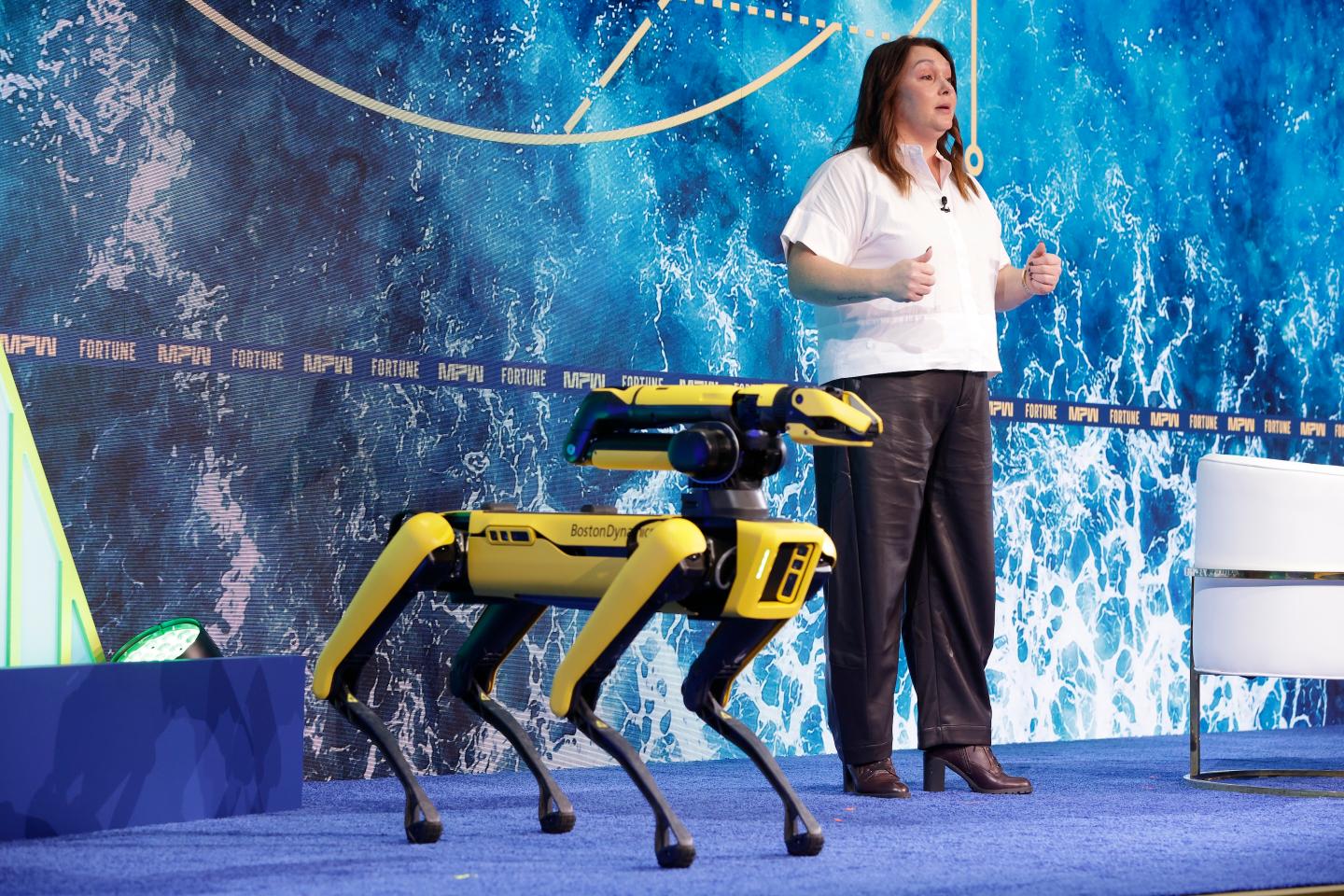
How Boston Dynamics is turning robots into a real business
Boston Dynamics is transitioning from a research-focused robotics developer into a commercially viable enterprise.
The story
in brief.
What happened, who it affects, and why it landed on our intelligence desk — in plain English, sixty seconds or less.
Boston Dynamics is transitioning from a research-focused robotics developer into a commercially viable enterprise. The company is shifting its strategic emphasis towards practical, revenue-generating applications of its advanced robotic platforms. Rather than solely pursuing technical breakthroughs for demonstration purposes, the firm is now prioritising scalable solutions for industrial and logistics sectors. This pivot aims to address the significant gap between prototype innovation and widespread market adoption. The move signals a broader industry trend where high-tech engineering firms are under increasing pressure to demonstrate clear return on investment. Professionals should note this shift as it redefines the commercial viability of autonomous systems in real-world operational environments.
Indicative index of skill mentions in professional job postings for the field this story moves (2019 = 1)
What this means
for your career.
Every headline redistributes opportunity. Here is who this one rewards — and how to be on the right side of it.
You must adapt your skill set to bridge the gap between advanced robotics engineering and commercial strategy. As Boston Dynamics prioritises profitability, roles focusing on operational integration and cost-efficiency will surge in demand. Technical experts should upskill in business acumen to communicate value to stakeholders effectively. Conversely, business leaders must deepen their understanding of automation technologies to make informed procurement decisions. You should monitor how these robots integrate into existing supply chains, identifying opportunities to optimise workflows. Smart professionals will now pursue hybrid roles that combine technical literacy with strategic implementation skills. Focus on learning how to manage robotic assets within complex logistical frameworks. This development means your career longevity depends on your ability to translate technological capability into tangible business outcomes, ensuring you remain relevant in an increasingly automated workforce landscape.
For this story, the fields that convert it into pay are AI in Manufacturing, AI in Logistics, Business and Management and Engineering — exactly the programmes matched below. The chart shows the indicative salary uplift certified professionals report in each of those fields; every one of them is a click away, from £79, finishing in as few as 20 days.
Indicative ranges from published continuing-education salary studies, by field — each field is a recommended course below
Enrol in these
to benefit.
These programmes position you for exactly this shift — online, self-paced, and finishing with a verifiable certificate you can share the day you pass.
 Best match
Certificate in AI in Manufacturing
 Recommended
Certificate in AI in Logistics
 Recommended
Certificate in Business and Management
 Recommended
Certificate in Engineering
Launch pricing shown against standard certificate value. The fee you see today is the fee you lock in.
This briefing is based on reporting by Fortune on 19 Oct, 13:15. Read the original coverage →
Read the news. Then outrun it.
Every LSBR programme is online, self-paced and from £79 — so a headline today can be your credential this month.
