
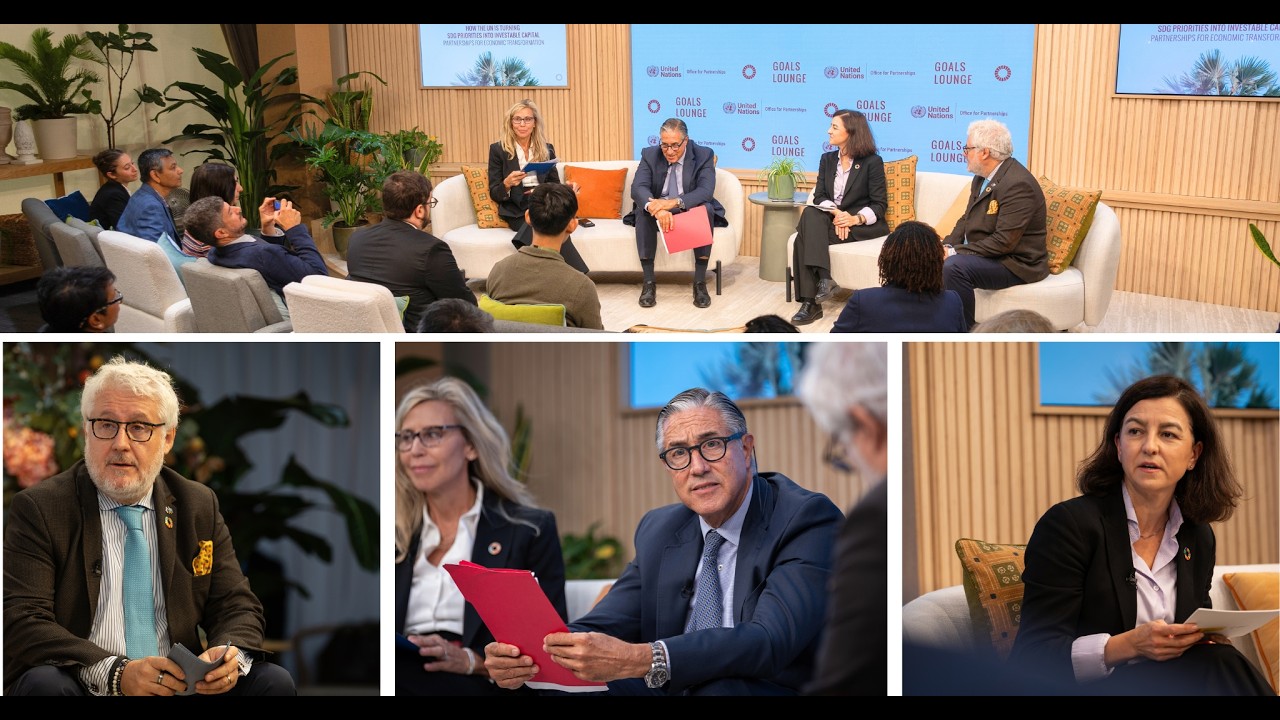
How Catalytic Finance is Reshaping Development
The United Nations Sustainable Development Group reports that catalytic finance is fundamentally reshaping global development efforts.
The story
in brief.
What happened, who it affects, and why it landed on our intelligence desk — in plain English, sixty seconds or less.
The United Nations Sustainable Development Group reports that catalytic finance is fundamentally reshaping global development efforts. This approach leverages private capital to achieve sustainable development goals, moving beyond traditional aid models. The story highlights how strategic financial mechanisms can unlock significant investment flows into emerging markets and critical infrastructure. By aligning profit motives with social impact, this method aims to address funding gaps more effectively. The report emphasises the growing importance of blended finance structures and the need for robust frameworks to ensure accountability and measurable outcomes in international development projects.
Indicative index of skill mentions in professional job postings for the field this story moves (2019 = 1)
What this means
for your career.
Every headline redistributes opportunity. Here is who this one rewards — and how to be on the right side of it.
This shift signals a major career pivot for finance and development professionals. You must now understand how to structure deals that attract private investment while meeting strict sustainability criteria. Skills in impact measurement, blended finance structuring, and ESG compliance are becoming indispensable. If you work in banking, consulting, or public sector roles, you should prioritise upskilling in these areas immediately. A smart professional would seek certification in sustainable finance or take courses on development economics. Ignoring this trend risks obsolescence, as traditional funding models decline. You need to demonstrate you can navigate the complex intersection of profit and purpose. Start by analysing current catalytic finance case studies and networking with impact investors to understand market demands.
For this story, the fields that convert it into pay are Dynamic Corporate Governance, Secure Content Delivery: Best Practices, Industry Impact and Premium Market Research and Analysis Techniques — exactly the programmes matched below. The chart shows the indicative salary uplift certified professionals report in each of those fields; every one of them is a click away, from £79, finishing in as few as 20 days.
Indicative ranges from published continuing-education salary studies, by field — each field is a recommended course below
Enrol in these
to benefit.
These programmes position you for exactly this shift — online, self-paced, and finishing with a verifiable certificate you can share the day you pass.
 Best match
Certificate in Dynamic Corporate Governance
Recommended
Certificate in Secure Content Delivery: Best Practices
 Recommended
Certificate in Industry Impact
 Recommended
Certificate in Premium Market Research and Analysis Techniques
Launch pricing shown against standard certificate value. The fee you see today is the fee you lock in.
This briefing is based on reporting by United Nations Sustainable Development Group on 8 Oct, 14:38. Read the original coverage →
Read the news. Then outrun it.
Every LSBR programme is online, self-paced and from £79 — so a headline today can be your credential this month.
