
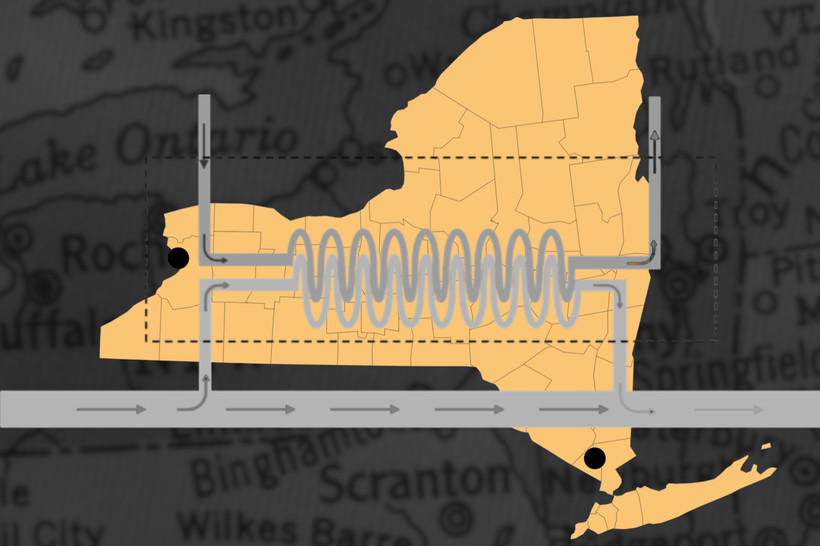
How New York Plans to Test Neighborhood-Scale Clean Heat
New York is piloting a neighbourhood-scale clean heat initiative to evaluate the feasibility of transitioning from fossil fuels to low-carbon heating systems.
The story
in brief.
What happened, who it affects, and why it landed on our intelligence desk — in plain English, sixty seconds or less.
New York is piloting a neighbourhood-scale clean heat initiative to evaluate the feasibility of transitioning from fossil fuels to low-carbon heating systems. The programme aims to test infrastructure adaptations and regulatory frameworks within specific localities. This approach provides empirical data on the technical and economic viability of district heating networks. The initiative involves collaboration between municipal authorities, energy providers, and community stakeholders. It seeks to identify best practices for replication across the city. The focus remains on reducing carbon emissions while maintaining reliable heat supply for residential and commercial properties. This pilot serves as a critical step in New York’s broader decarbonisation strategy.
Indicative index of skill mentions in professional job postings for the field this story moves (2019 = 1)
What this means
for your career.
Every headline redistributes opportunity. Here is who this one rewards — and how to be on the right side of it.
This development signals a structural shift in urban infrastructure, creating immediate demand for specialists in energy systems and regulatory compliance. You should anticipate rising value for professionals skilled in project management within the public sector and engineering firms. Roles involving risk assessment and public administration will become critical as municipalities navigate complex implementation challenges. If you are in construction or utilities, upskill in sustainable technologies and grant funding mechanisms. A smart professional would now analyse local policy trends to align their expertise with upcoming municipal contracts. Consider acquiring certifications in energy efficiency or public procurement to position yourself for these emerging opportunities. Ignoring this transition may limit your relevance in sectors heavily impacted by decarbonisation mandates.
For this story, the fields that convert it into pay are Project Management, Engineering, Public Administration and Risk Management — exactly the programmes matched below. The chart shows the indicative salary uplift certified professionals report in each of those fields; every one of them is a click away, from £79, finishing in as few as 20 days.
Indicative ranges from published continuing-education salary studies, by field — each field is a recommended course below
Enrol in these
to benefit.
These programmes position you for exactly this shift — online, self-paced, and finishing with a verifiable certificate you can share the day you pass.
 Best match
Certificate in Project Management
 Recommended
Certificate in Engineering
 Recommended
Certificate in Public Administration
Recommended
Certificate in Risk Management
Launch pricing shown against standard certificate value. The fee you see today is the fee you lock in.
This briefing is based on reporting by New York Focus on 23 Oct, 09:00. Read the original coverage →
Read the news. Then outrun it.
Every LSBR programme is online, self-paced and from £79 — so a headline today can be your credential this month.
