
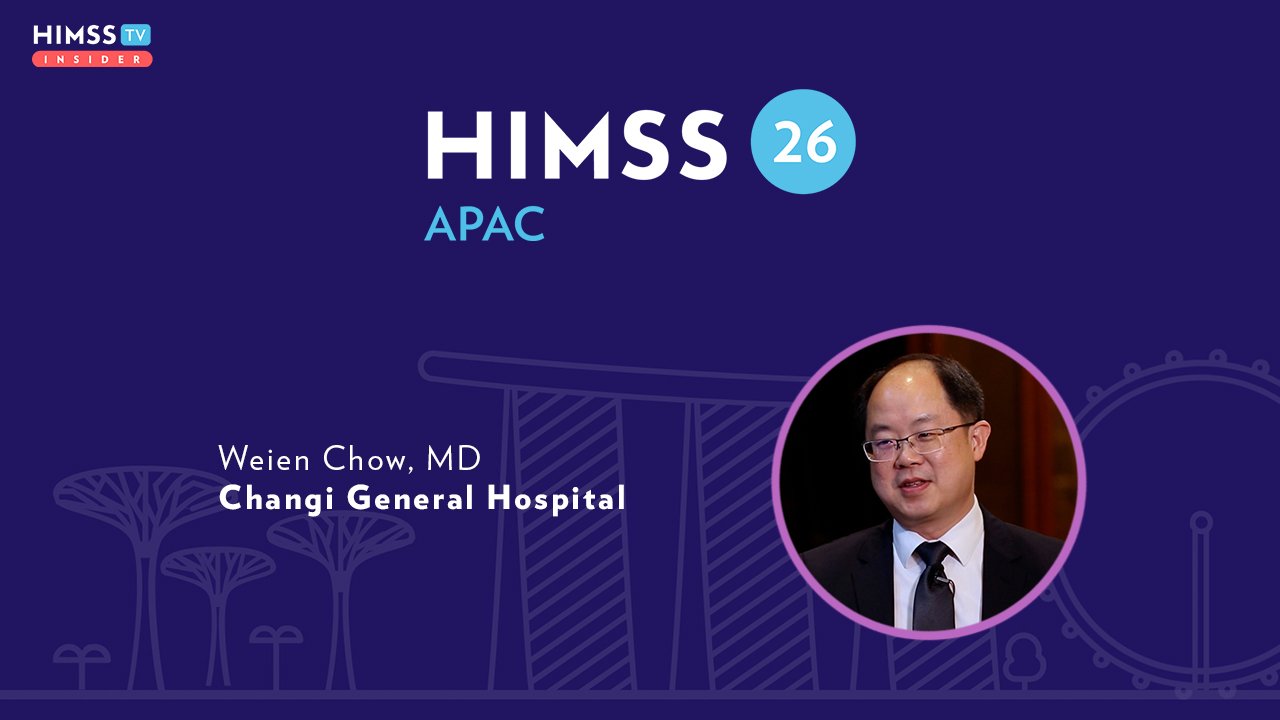
How one Singapore hospital evaluates AI tools
A Singapore hospital has published its framework for assessing artificial intelligence tools, offering a transparent look at clinical and operational evaluation criteria.
The story
in brief.
What happened, who it affects, and why it landed on our intelligence desk — in plain English, sixty seconds or less.
A Singapore hospital has published its framework for assessing artificial intelligence tools, offering a transparent look at clinical and operational evaluation criteria. The report details how medical institutions vet algorithms for safety, efficacy, and regulatory compliance before deployment. This case study highlights the rigorous standards required for AI integration in healthcare settings, moving beyond theoretical potential to practical implementation. Professionals can observe the specific metrics used to determine whether an AI solution adds genuine value or introduces unacceptable risk. The narrative underscores the shift towards evidence-based adoption, ensuring that technology serves patient outcomes rather than merely chasing innovation trends within complex hospital ecosystems.
Indicative index of skill mentions in professional job postings for the field this story moves (2019 = 1)
What this means
for your career.
Every headline redistributes opportunity. Here is who this one rewards — and how to be on the right side of it.
You must now understand that technical proficiency alone is insufficient. The real value lies in evaluating AI’s clinical and operational fit. Professionals in healthcare management and digital strategy should prioritise skills in risk assessment and vendor evaluation. Learn to translate technical capabilities into measurable patient outcomes and cost efficiencies. Study regulatory frameworks governing medical AI, as compliance is now a core competency. If you are in IT or clinical roles, focus on interoperability and data governance. Smart professionals will upskill in AI strategy and healthcare management to bridge the gap between developers and clinicians. You need to speak the language of both safety and innovation. Start by auditing your current workflow for AI readiness. Identify where automation aids decision-making without compromising care. This shift demands a hybrid skill set: technical literacy paired with acute regulatory awareness. Position yourself as the evaluator, not just the user.
For this story, the fields that convert it into pay are AI in Healthcare, Healthcare Management, Risk Management and AI Strategy — exactly the programmes matched below. The chart shows the indicative salary uplift certified professionals report in each of those fields; every one of them is a click away, from £79, finishing in as few as 20 days.
Indicative ranges from published continuing-education salary studies, by field — each field is a recommended course below
Enrol in these
to benefit.
These programmes position you for exactly this shift — online, self-paced, and finishing with a verifiable certificate you can share the day you pass.
 Best match
Certificate in AI in Healthcare
 Recommended
Certificate in Healthcare Management
 Recommended
Certificate in Risk Management
 Recommended
Certificate in AI Strategy
Launch pricing shown against standard certificate value. The fee you see today is the fee you lock in.
This briefing is based on reporting by Healthcare Finance News on 29 Oct, 20:54. Read the original coverage →
Read the news. Then outrun it.
Every LSBR programme is online, self-paced and from £79 — so a headline today can be your credential this month.
