
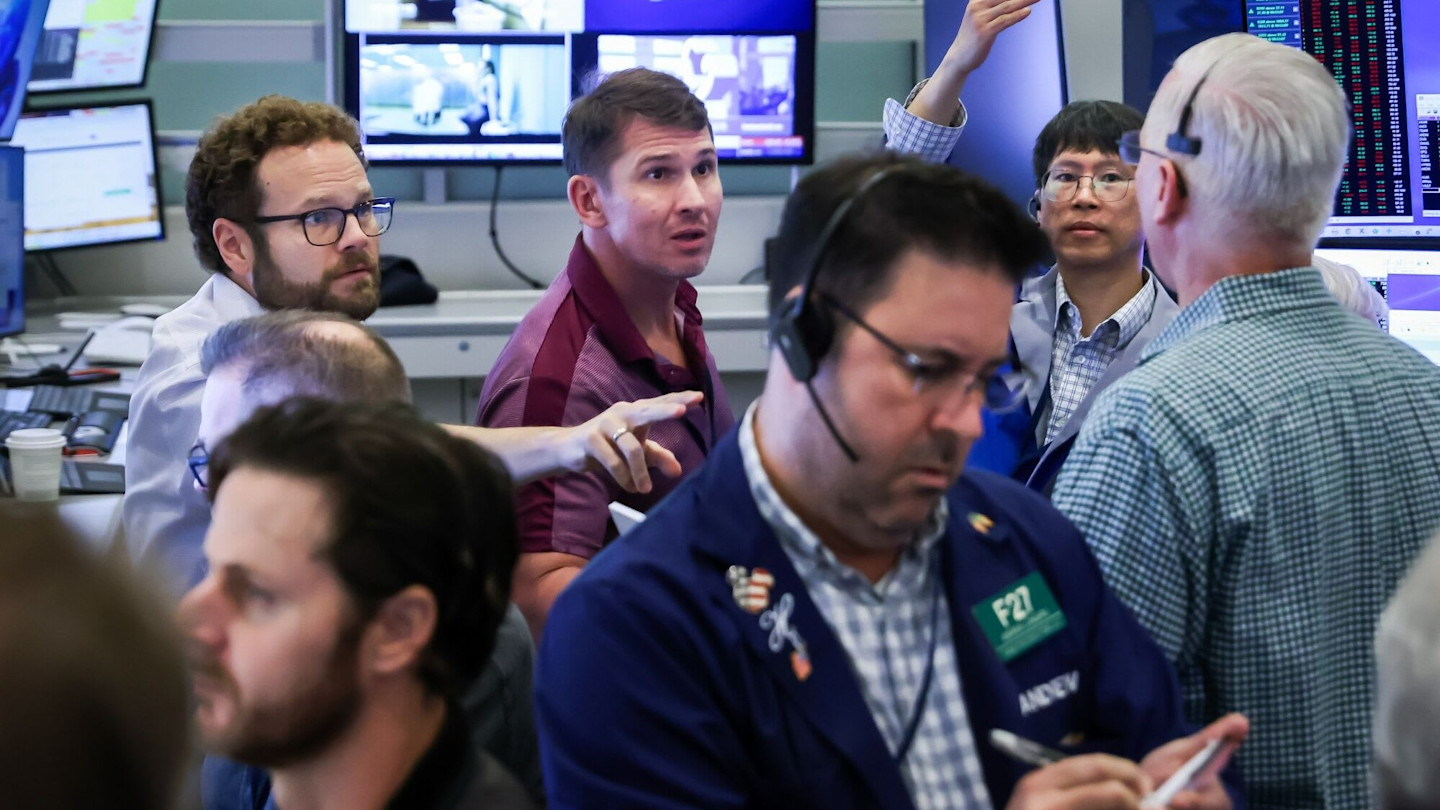
How Wall Street’s all-in bet on AI blew up
Financial institutions heavily invested in artificial intelligence to optimise trading and risk assessment, but recent market volatility has exposed critical flaws in these systems.
The story
in brief.
What happened, who it affects, and why it landed on our intelligence desk — in plain English, sixty seconds or less.
Financial institutions heavily invested in artificial intelligence to optimise trading and risk assessment, but recent market volatility has exposed critical flaws in these systems. The Financial Times reports that algorithmic trading models, designed for efficiency, inadvertently amplified losses during sudden market shifts. This event highlights the fragility of relying solely on automated decision-making without robust human oversight. Professionals must now recognise that AI is a tool, not a replacement for fundamental financial judgement. The narrative shifts from blind technological optimism to a cautious re-evaluation of how machine learning integrates with traditional banking practices.
Indicative index of skill mentions in professional job postings for the field this story moves (2019 = 1)
What this means
for your career.
Every headline redistributes opportunity. Here is who this one rewards — and how to be on the right side of it.
You must now prioritise critical thinking over blind automation. As algorithms fail, professionals who can interpret AI outputs and intervene during anomalies become indispensable. Focus on strengthening your understanding of model limitations and ethical governance. If you work in finance, deepen your expertise in risk assessment and regulatory compliance. For tech roles, study explainable AI to bridge the gap between code and business logic. Do not ignore the human element; soft skills like communication and strategic judgement are rising in value. Audit your current toolkit: can you explain why an AI made a decision? If not, upskill immediately in data literacy and strategic oversight to remain relevant.
For this story, the fields that convert it into pay are AI in Finance, Risk Management, Data Science and Business and Management — exactly the programmes matched below. The chart shows the indicative salary uplift certified professionals report in each of those fields; every one of them is a click away, from £79, finishing in as few as 20 days.
Indicative ranges from published continuing-education salary studies, by field — each field is a recommended course below
Enrol in these
to benefit.
These programmes position you for exactly this shift — online, self-paced, and finishing with a verifiable certificate you can share the day you pass.
 Best match
Certificate in AI in Finance
 Recommended
Certificate in Risk Management
Recommended
Certificate in Data Science
 Recommended
Certificate in Business and Management
Launch pricing shown against standard certificate value. The fee you see today is the fee you lock in.
This briefing is based on reporting by Financial Times on 7 Nov, 05:01. Read the original coverage →
Read the news. Then outrun it.
Every LSBR programme is online, self-paced and from £79 — so a headline today can be your credential this month.
