
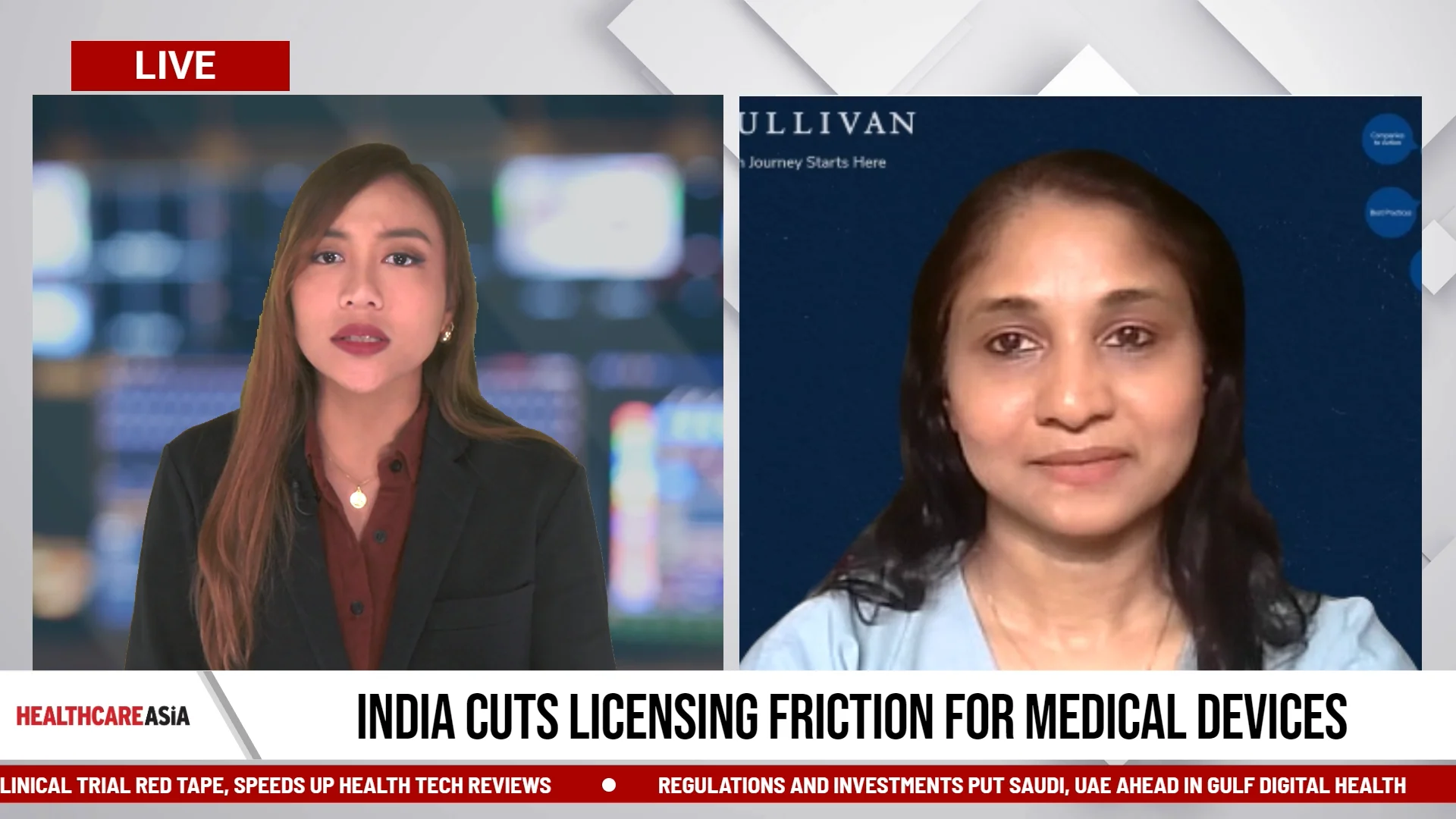
India cuts licensing friction for medical devices
India has implemented regulatory reforms to streamline the licensing process for medical devices, significantly reducing administrative friction for manufacturers and distributors.
The story
in brief.
What happened, who it affects, and why it landed on our intelligence desk — in plain English, sixty seconds or less.
India has implemented regulatory reforms to streamline the licensing process for medical devices, significantly reducing administrative friction for manufacturers and distributors. This policy shift aims to accelerate market entry times and enhance the availability of innovative healthcare technologies across the country. By simplifying compliance requirements, the government seeks to boost domestic manufacturing capabilities and attract foreign investment in the medical technology sector. The changes represent a strategic move to modernise the healthcare infrastructure, ensuring faster access to essential diagnostic and therapeutic equipment for patients while creating a more competitive business environment for industry stakeholders.
Indicative index of skill mentions in professional job postings for the field this story moves (2019 = 1)
What this means
for your career.
Every headline redistributes opportunity. Here is who this one rewards — and how to be on the right side of it.
This deregulation creates immediate opportunities for professionals in regulatory affairs and supply chain management. You should focus on mastering updated compliance frameworks to help clients navigate the new landscape efficiently. Roles bridging clinical knowledge with business operations will rise in value as companies race to launch products faster. If you work in healthcare procurement or device manufacturing, update your knowledge of Indian regulatory standards now. Consider upskilling in project management to oversee accelerated product launches. Smart professionals will also explore partnerships with local manufacturers, leveraging reduced barriers to entry. Prioritise courses that blend technical healthcare knowledge with strategic business execution to remain competitive in this evolving market.
For this story, the fields that convert it into pay are Healthcare Management, Supply Chain, Regulatory Affairs and Business and Management — exactly the programmes matched below. The chart shows the indicative salary uplift certified professionals report in each of those fields; every one of them is a click away, from £79, finishing in as few as 20 days.
Indicative ranges from published continuing-education salary studies, by field — each field is a recommended course below
Enrol in these
to benefit.
These programmes position you for exactly this shift — online, self-paced, and finishing with a verifiable certificate you can share the day you pass.
 Best match
Certificate in Healthcare Management
 Recommended
Certificate in Supply Chain
 Recommended
Certificate in Regulatory Affairs
 Recommended
Certificate in Business and Management
Launch pricing shown against standard certificate value. The fee you see today is the fee you lock in.
This briefing is based on reporting by Healthcare Asia Magazine on 15 Oct, 04:18. Read the original coverage →
Read the news. Then outrun it.
Every LSBR programme is online, self-paced and from £79 — so a headline today can be your credential this month.
