
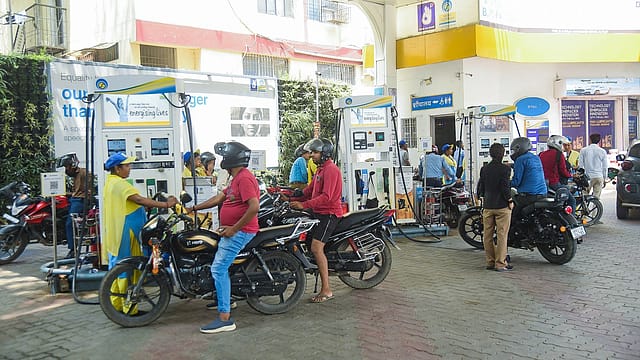
India’s new oil and gas research hub: Will it make fuel cheaper?
India has inaugurated a new oil and gas research hub, aiming to enhance domestic exploration capabilities and technological innovation in the energy sector.
The story
in brief.
What happened, who it affects, and why it landed on our intelligence desk — in plain English, sixty seconds or less.
India has inaugurated a new oil and gas research hub, aiming to enhance domestic exploration capabilities and technological innovation in the energy sector. The initiative seeks to reduce import dependency by improving extraction efficiency and developing alternative fuel technologies. While the headline asks whether this will lower fuel costs, the immediate focus is on strengthening national energy security through advanced research. This development signals a strategic shift towards self-reliance in hydrocarbon management, potentially influencing future energy pricing and infrastructure investment across the region.
Indicative index of skill mentions in professional job postings for the field this story moves (2019 = 1)
What this means
for your career.
Every headline redistributes opportunity. Here is who this one rewards — and how to be on the right side of it.
This hub signals a strategic pivot in India’s energy sector, creating demand for specialised technical expertise. Professionals in Petroleum Engineering, Geoscience, and Energy Policy should monitor these developments closely. Skills in reservoir simulation, sustainable extraction technologies, and regulatory compliance will rise in value. If you work in adjacent fields like Supply Chain or Risk Management, understand how domestic production shifts affect global logistics and price volatility. A smart professional would immediately update their profile with keywords related to energy security and sustainable hydrocarbon management. Engage with industry reports from the hub to identify emerging skill gaps. Consider short courses in Energy Economics or Advanced Reservoir Engineering to position yourself for roles focused on optimising domestic output and navigating the complex transition towards cleaner energy alternatives.
For this story, the fields that convert it into pay are AI in Energy, Engineering, Risk Management and Supply Chain — exactly the programmes matched below. The chart shows the indicative salary uplift certified professionals report in each of those fields; every one of them is a click away, from £79, finishing in as few as 20 days.
Indicative ranges from published continuing-education salary studies, by field — each field is a recommended course below
Enrol in these
to benefit.
These programmes position you for exactly this shift — online, self-paced, and finishing with a verifiable certificate you can share the day you pass.
 Best match
Certificate in AI in Energy
 Recommended
Certificate in Engineering
 Recommended
Certificate in Risk Management
 Recommended
Certificate in Supply Chain
Launch pricing shown against standard certificate value. The fee you see today is the fee you lock in.
This briefing is based on reporting by Open Magazine on 28 Oct, 09:44. Read the original coverage →
Read the news. Then outrun it.
Every LSBR programme is online, self-paced and from £79 — so a headline today can be your credential this month.
