
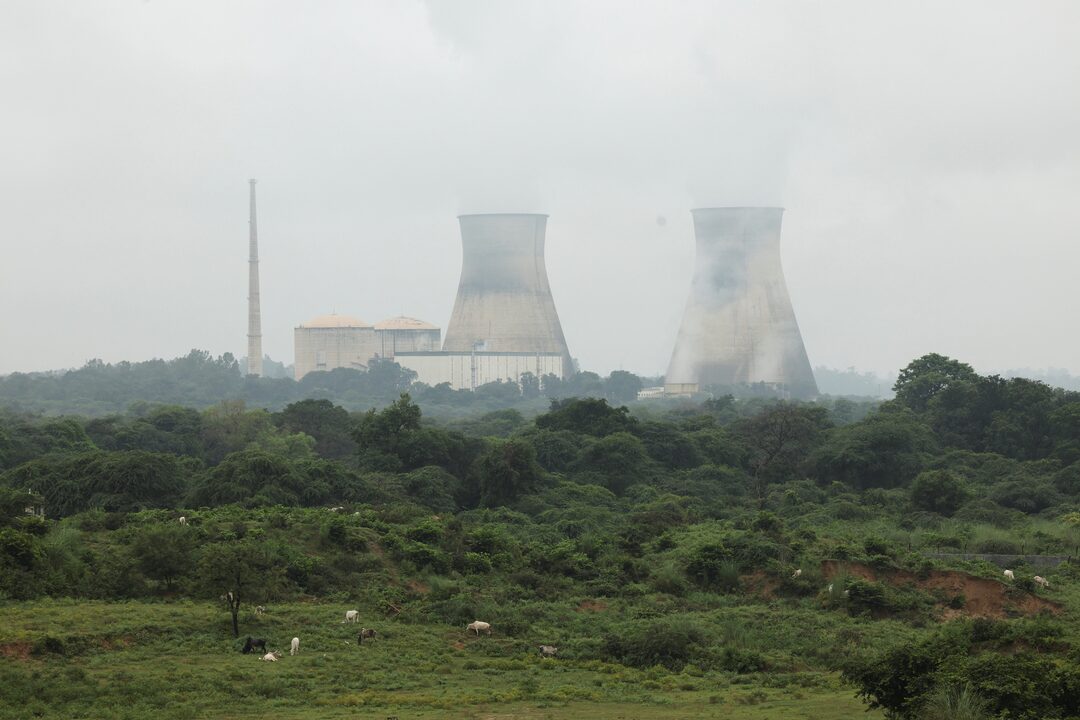
India's nuclear ambitions may be blunted by limits on foreign reactor technology
Reuters reports that India’s nuclear energy expansion faces potential constraints due to restrictions on accessing foreign reactor technology.
The story
in brief.
What happened, who it affects, and why it landed on our intelligence desk — in plain English, sixty seconds or less.
Reuters reports that India’s nuclear energy expansion faces potential constraints due to restrictions on accessing foreign reactor technology. These limitations may slow the deployment of advanced nuclear facilities, compelling New Delhi to rely more heavily on domestic capabilities or alternative energy sources. The development highlights geopolitical tensions affecting energy infrastructure projects and underscores the challenges of international technology transfer in sensitive sectors. For professionals in energy, this signals a shift towards indigenous innovation and stricter compliance frameworks, impacting long-term planning and investment strategies in the nuclear power sector.
Indicative index of skill mentions in professional job postings for the field this story moves (2019 = 1)
What this means
for your career.
Every headline redistributes opportunity. Here is who this one rewards — and how to be on the right side of it.
This development signals a pivot towards domestic nuclear engineering and regulatory expertise. You should prioritise skills in nuclear safety, compliance, and indigenous technology development. Professionals in energy policy, engineering, and risk management must adapt to stricter import controls and heightened geopolitical scrutiny. Focus on mastering local regulatory frameworks and supply chain resilience. If you work in international trade or energy project management, deepen your understanding of export control laws and alternative energy integration. Proactively upskill in nuclear engineering fundamentals or risk assessment to remain competitive. Monitor policy shifts closely, as they will dictate investment flows and career opportunities in the renewable and nuclear sectors.
For this story, the fields that convert it into pay are Engineering, Risk Management, Public Administration and Supply Chain — exactly the programmes matched below. The chart shows the indicative salary uplift certified professionals report in each of those fields; every one of them is a click away, from £79, finishing in as few as 20 days.
Indicative ranges from published continuing-education salary studies, by field — each field is a recommended course below
Enrol in these
to benefit.
These programmes position you for exactly this shift — online, self-paced, and finishing with a verifiable certificate you can share the day you pass.
 Best match
Certificate in Engineering
 Recommended
Certificate in Risk Management
 Recommended
Certificate in Public Administration
 Recommended
Certificate in Supply Chain
Launch pricing shown against standard certificate value. The fee you see today is the fee you lock in.
This briefing is based on reporting by Reuters on 27 Aug, 07:00. Read the original coverage →
Read the news. Then outrun it.
Every LSBR programme is online, self-paced and from £79 — so a headline today can be your credential this month.
