
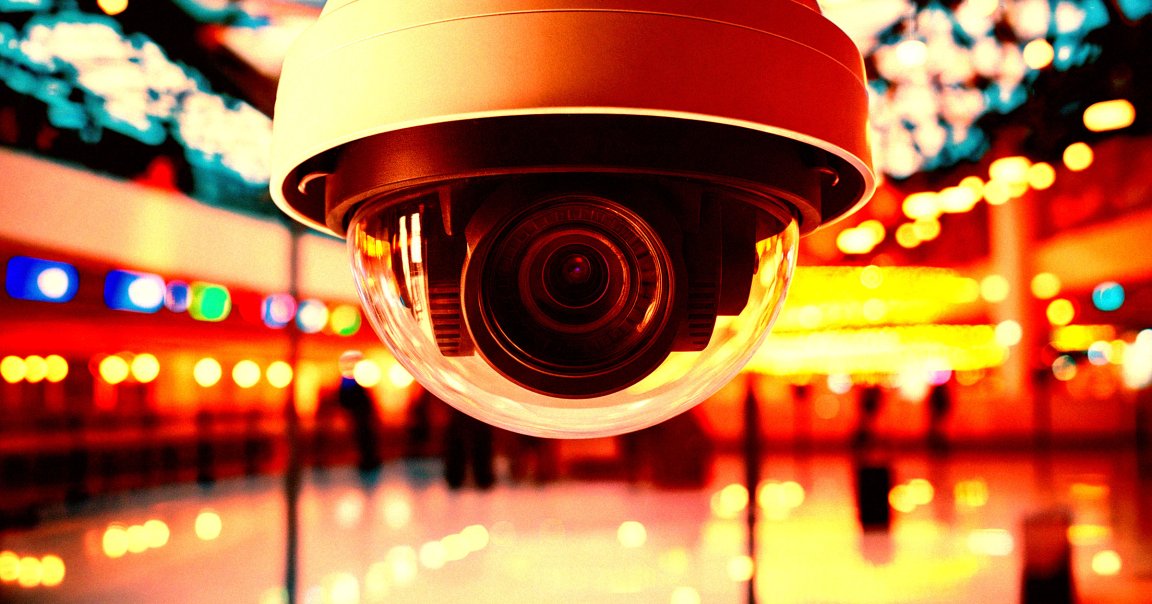
Innocent People Are Being Accused of Shoplifting by Faulty AI-Facial Recognition Systems at an Alarming Rate
Recent reports indicate that faulty AI facial recognition systems are increasingly misidentifying innocent individuals as shoplifters.
The story
in brief.
What happened, who it affects, and why it landed on our intelligence desk — in plain English, sixty seconds or less.
Recent reports indicate that faulty AI facial recognition systems are increasingly misidentifying innocent individuals as shoplifters. This technological failure highlights significant reliability issues in automated surveillance tools deployed by retailers. The incident underscores the urgent need for rigorous validation of AI algorithms in public and commercial spaces. For professionals, this serves as a stark reminder of the ethical and operational risks associated with untested automated decision-making. It raises critical questions about liability, accuracy standards, and the broader societal implications of integrating imperfect AI into security protocols, demanding immediate attention from industry leaders and regulators alike.
Indicative index of skill mentions in professional job postings for the field this story moves (2019 = 1)
What this means
for your career.
Every headline redistributes opportunity. Here is who this one rewards — and how to be on the right side of it.
You must now prioritise ethical AI governance in your strategic planning. Professionals in risk management, legal compliance, and technology oversight face heightened demand for skills in auditing algorithmic bias and ensuring regulatory adherence. If you lead technology initiatives, you need to implement robust validation frameworks for all AI deployments, particularly in customer-facing security. Ignore this trend at your peril; reputational damage from such errors is severe. Smart professionals will immediately upskill in AI ethics and data governance. Review your organisation’s current AI use cases for potential bias. Advocate for human-in-the-loop systems to mitigate false positives. This shift elevates the value of critical thinking and ethical leadership over pure technical deployment speed.
For this story, the fields that convert it into pay are AI Strategy, Risk Management, Cyber Security and Law — exactly the programmes matched below. The chart shows the indicative salary uplift certified professionals report in each of those fields; every one of them is a click away, from £79, finishing in as few as 20 days.
Indicative ranges from published continuing-education salary studies, by field — each field is a recommended course below
Enrol in these
to benefit.
These programmes position you for exactly this shift — online, self-paced, and finishing with a verifiable certificate you can share the day you pass.
 Best match
Certificate in AI Strategy
 Recommended
Certificate in Risk Management
 Recommended
Certificate in Cyber Security
 Recommended
Certificate in Law
Launch pricing shown against standard certificate value. The fee you see today is the fee you lock in.
This briefing is based on reporting by Futurism on 1 Nov, 13:04. Read the original coverage →
Read the news. Then outrun it.
Every LSBR programme is online, self-paced and from £79 — so a headline today can be your credential this month.
